
Last updated November 14, 2026
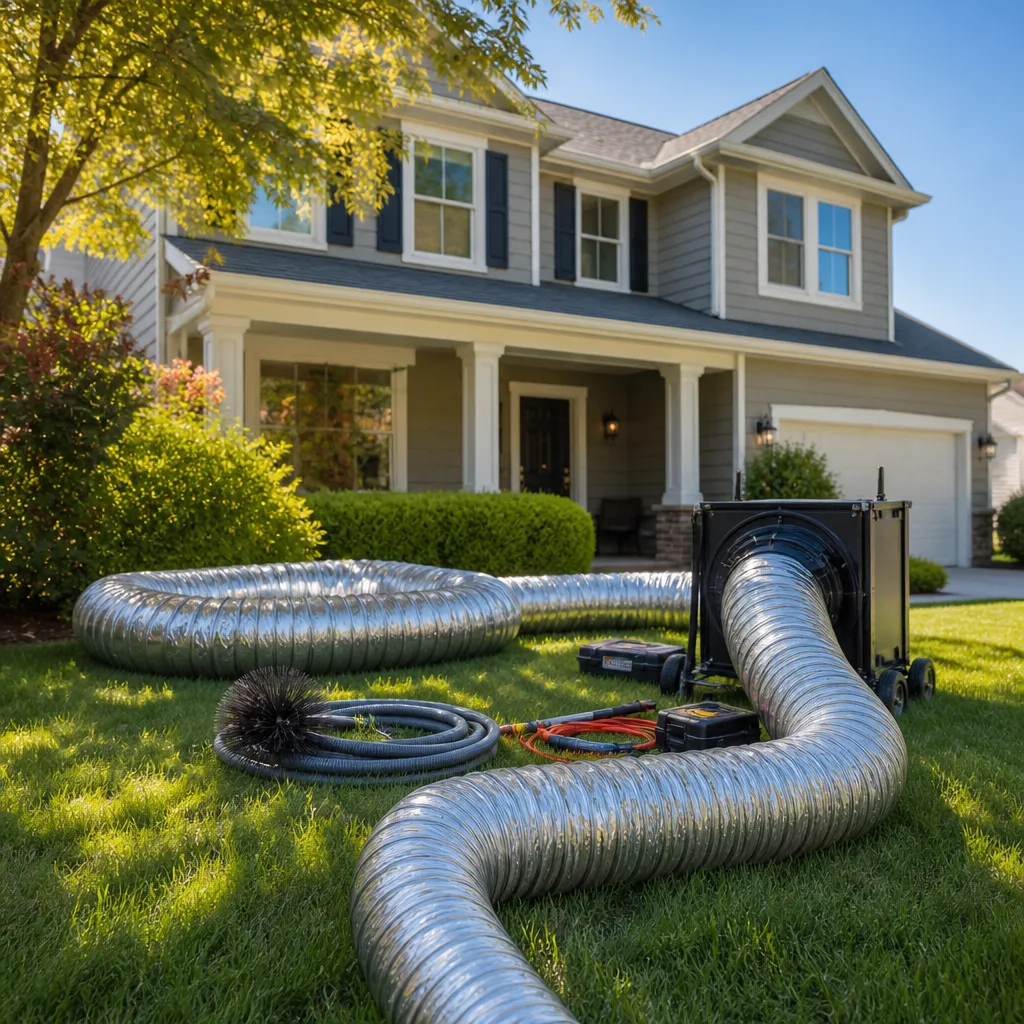 Whole-home duct cleaning
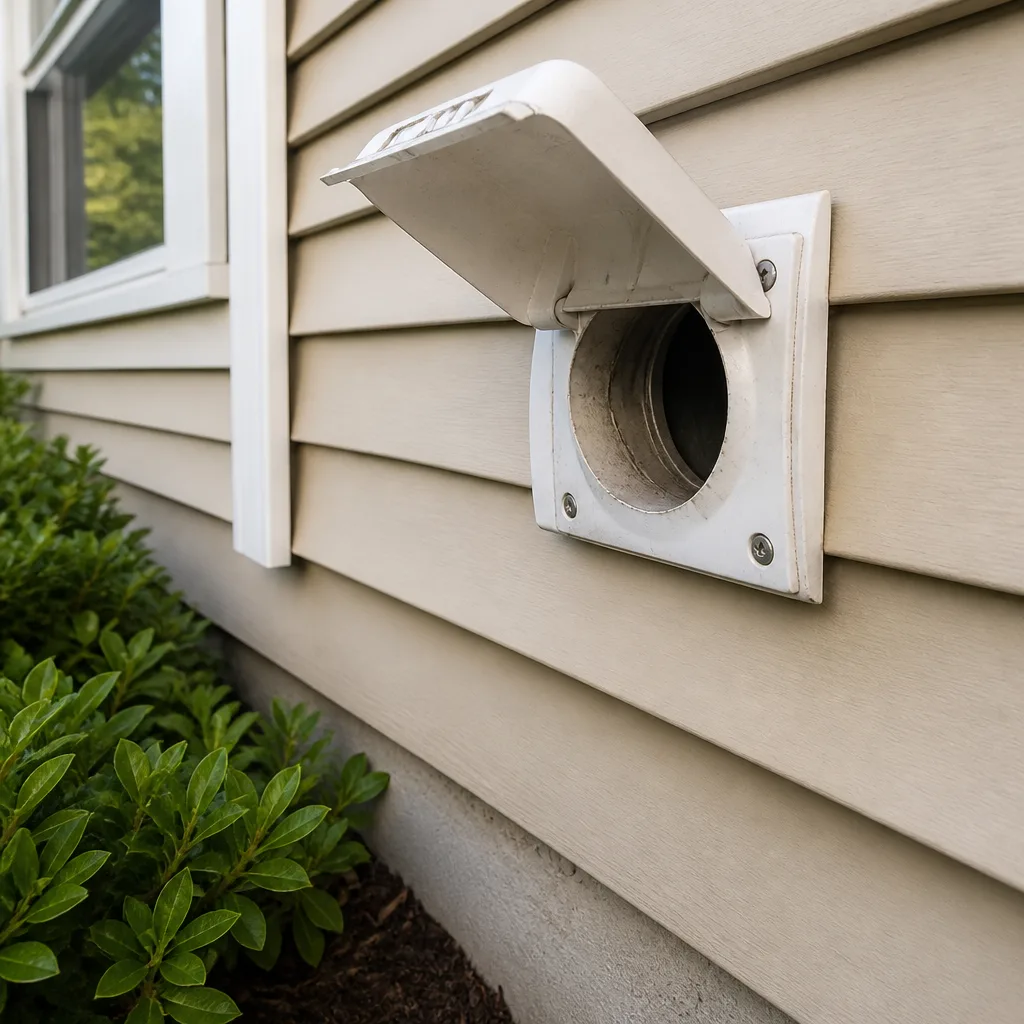 Dryer vent cleaning
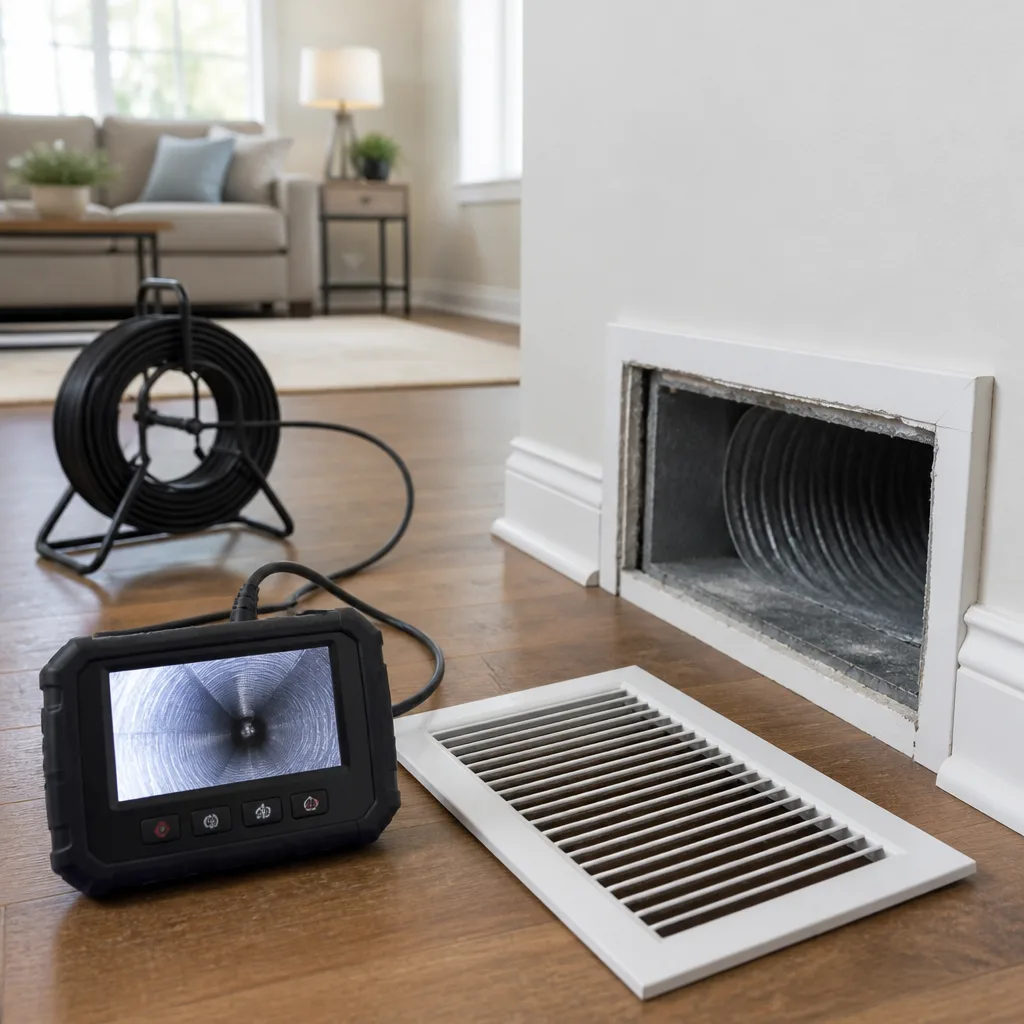 Camera inspection
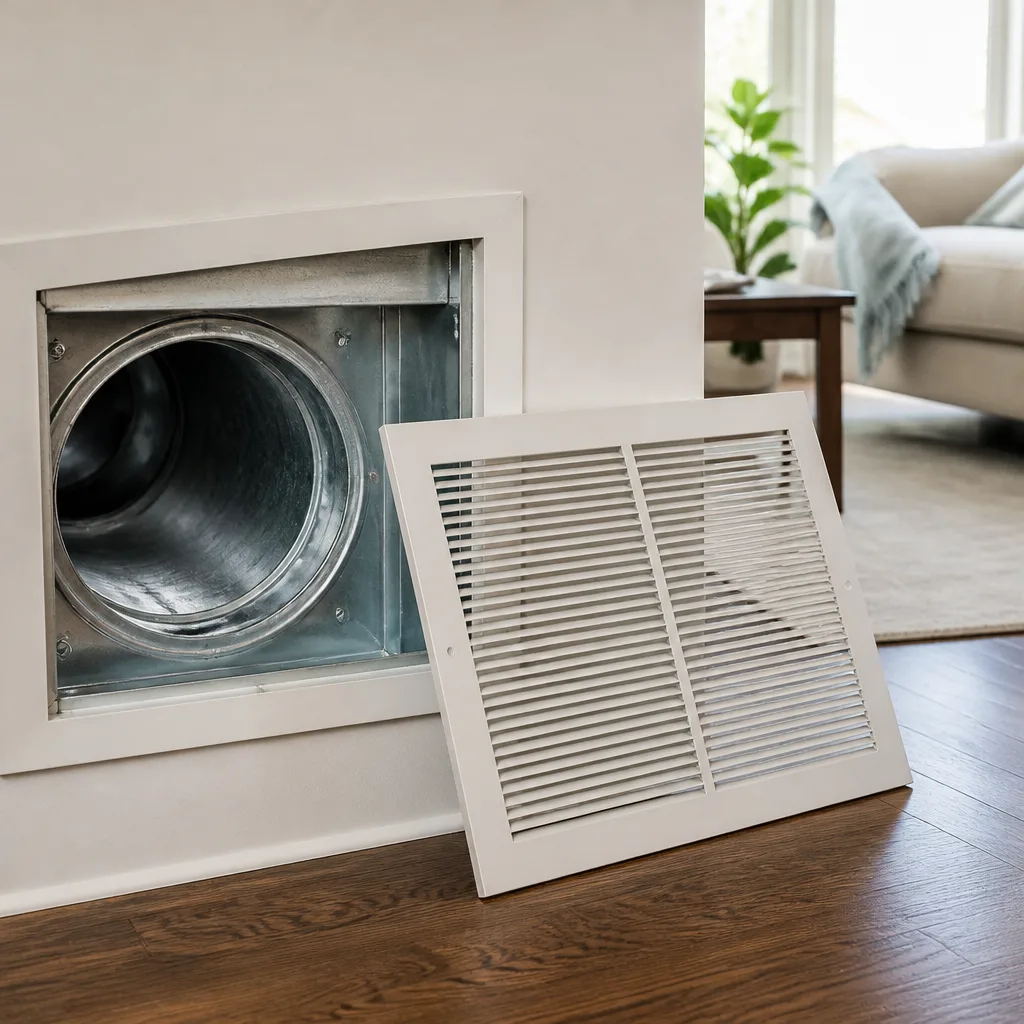 Sanitizing & deodorizing
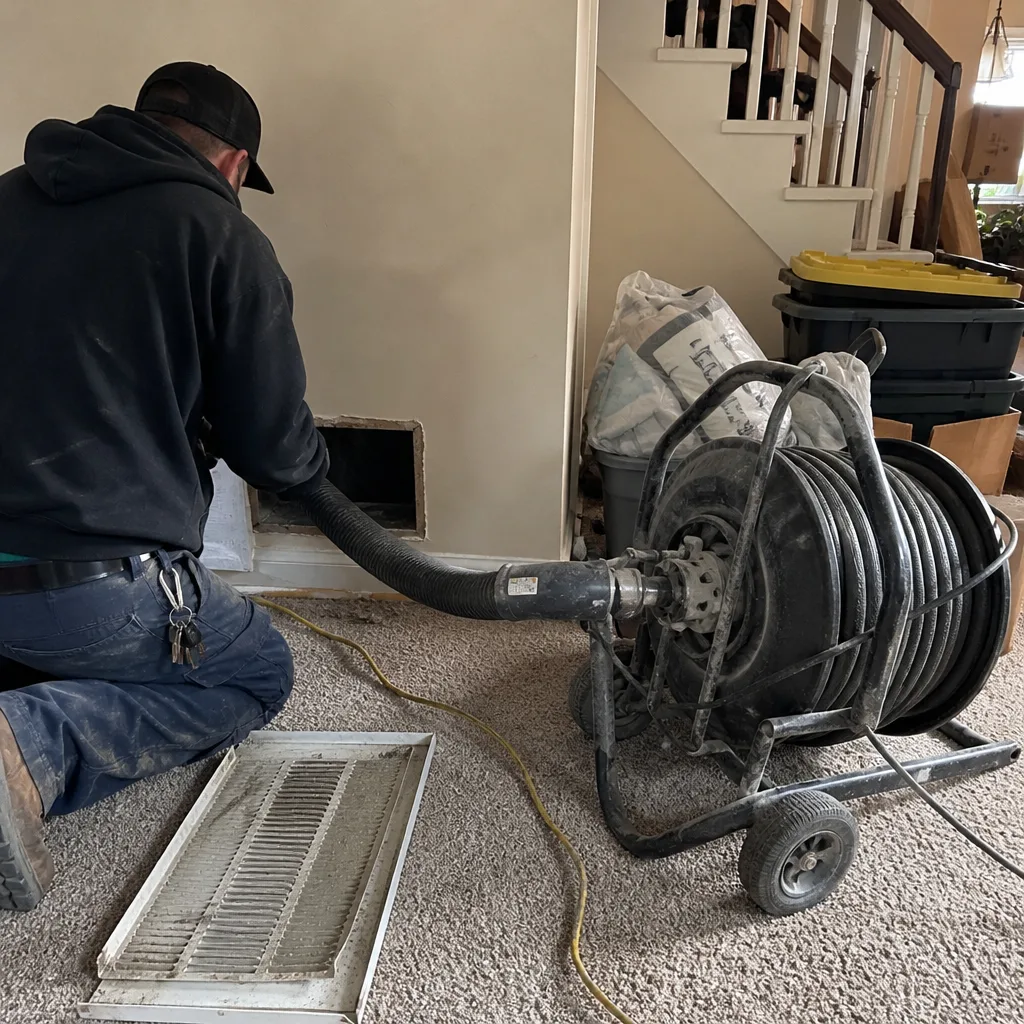
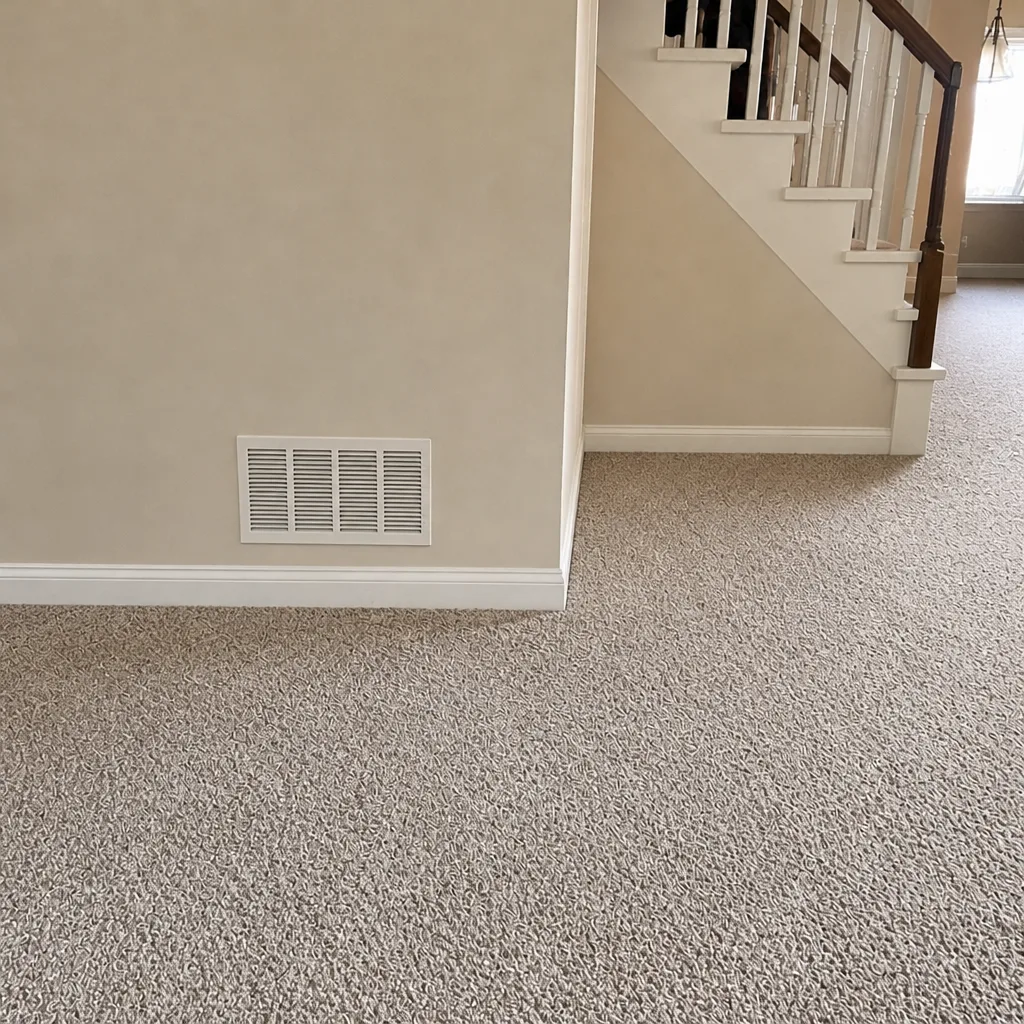
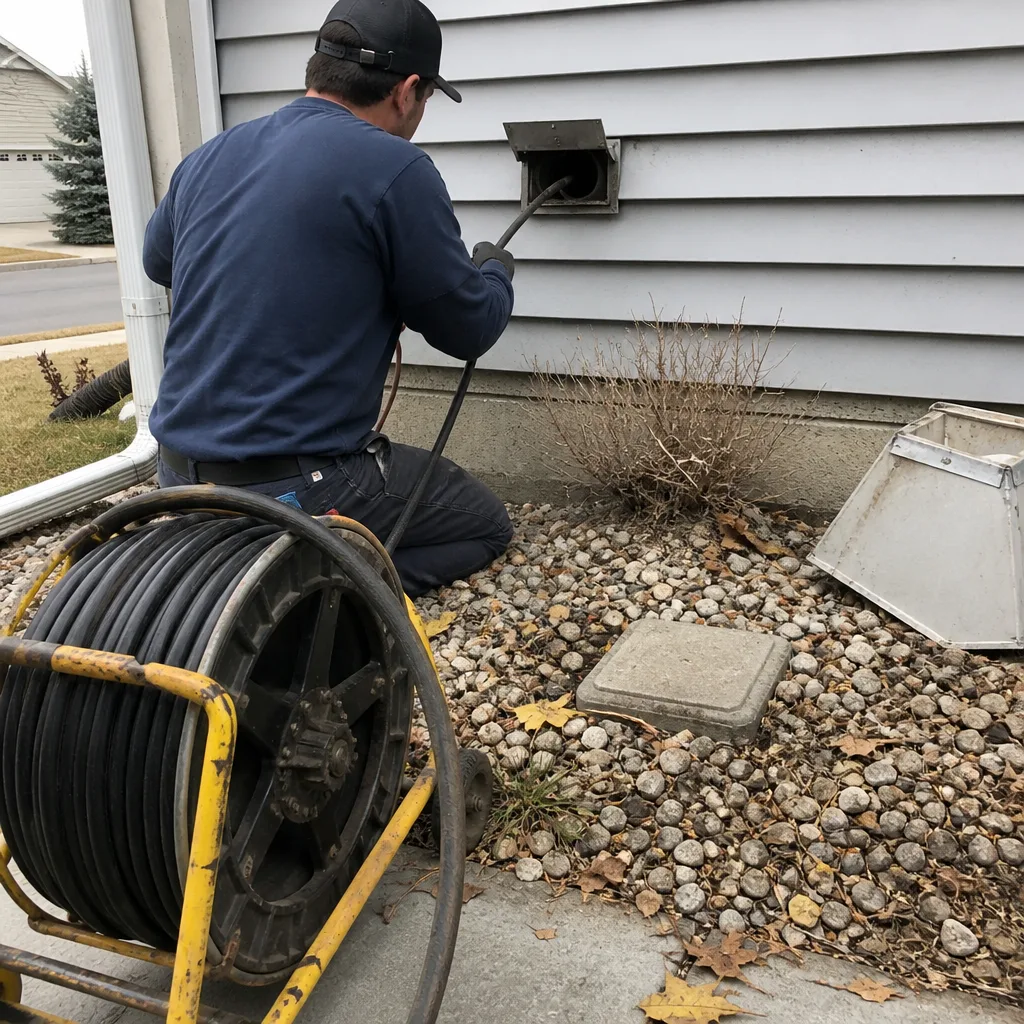
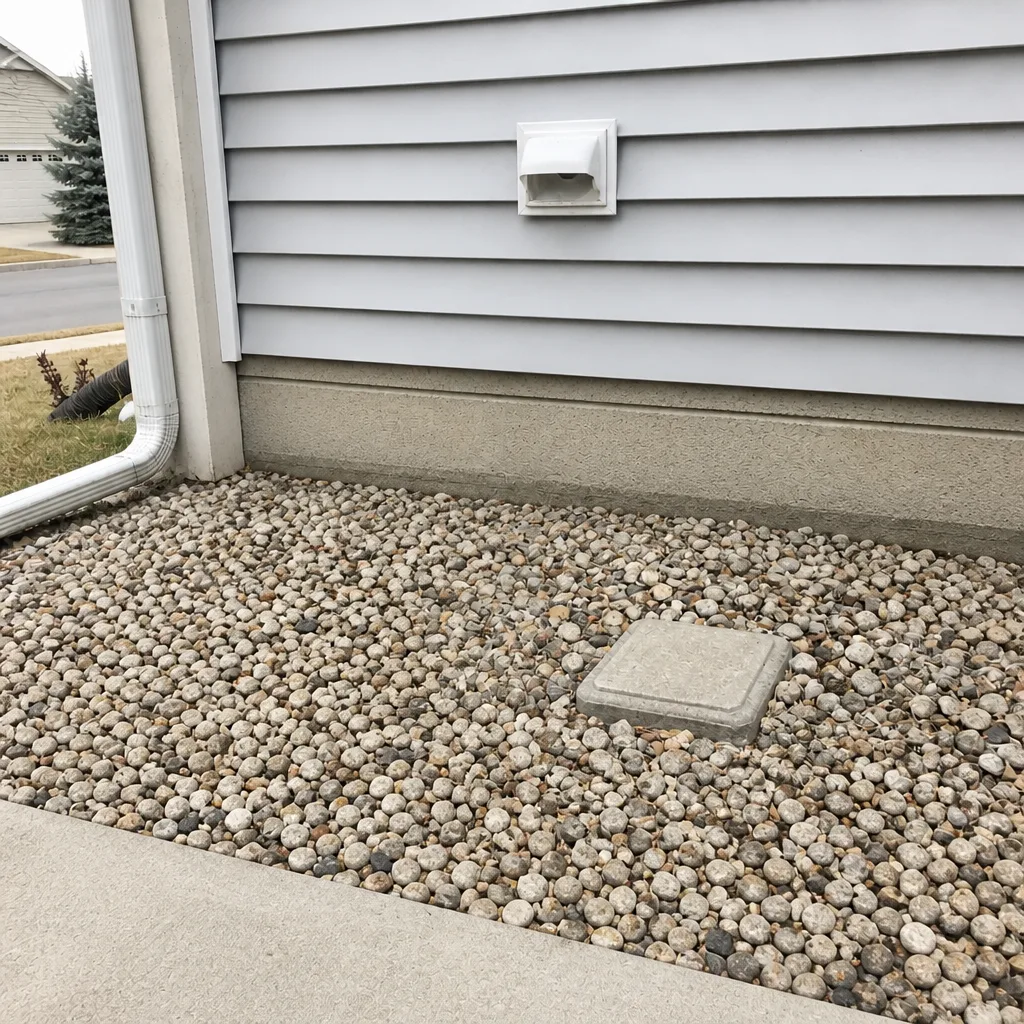
Whole-system duct and dryer vent check with before-and-after photos - you see exactly what came out of your vents
That "$99 whole-house special" is a bait ad - the real number appears once they are in your hallway, or the "clean" is a shop-vac at the register. We photograph the inside of your ducts before and after instead.
Air Duct Cleaning Emergency Preparedness Guide for Meridian Homes
Most Meridian households have a plan for wildfire smoke and a plan for a power outage. Almost none have a plan for what those events leave behind inside the ductwork. When outdoor air quality spikes, your HVAC system keeps pulling air through the same channels day after day, and a share of that smoke load settles on the interior surfaces of the ducts. It sits there quietly. The next time the blower runs, some of it lifts back into the rooms you sleep and eat in. This guide covers what to do in the first hours and days after smoke, water, or rodents get into your duct system, what the timelines actually are, and what to document if you plan to file a claim. It’s written for Meridian homes, where wildfire smoke season is a real annual event and not a hypothetical.
Quick Answer
After a smoke event, water intrusion, or rodent infestation, the right move is to limit HVAC circulation, change the filter within 72 hours, and get the duct system inspected and cleaned before normal operation resumes. Water inside ducts crosses a critical threshold at 48 hours, when mold colonization becomes likely. Rodent problems need entry-point sealing as well as cleaning, or the contamination returns. Document everything with dated photos and a written scope if you intend to file an insurance claim.
Styles & brands we work with
- Whole-home duct cleaning
- Dryer vent cleaning
- Camera inspection
- Sanitizing & deodorizing
Table of Contents
- The Post-Wildfire Duct Response Protocol
- Water Intrusion and Duct Flooding: The 48-Hour Threshold
- Rodent Intrusion in Duct Systems
- HVAC Shutdown Procedures During an Active Contamination Event
- How to Keep Air Moving Without Spreading Contamination
- Documentation to Request for Insurance Claims
- Why This Matters More in Meridian Than in Most Places
- Common Mistakes to Avoid
The Post-Wildfire Duct Response Protocol
Wildfire smoke isn’t just visible ash. It carries fine particulate matter in the PM2.5 and PM10 size ranges, and those particles are small enough to pass through standard filters and travel deep into the duct run. Once they settle on duct walls, they don’t blow out on their own. The response has a sequence, and the sequence matters more than the speed.
Here’s the order we recommend for Meridian homes after a smoke event:
- Hours 0-24: run the system minimally. Keep the HVAC running only enough to maintain basic circulation. If you have a fresh-air intake or economizer that pulls outdoor air, close it. Outdoor air during a smoke event is the source, and pulling more of it in defeats the point.
- Hours 24-72: change the filter. This is the 72-hour window. A filter that loaded up during the smoke event restricts airflow and stops doing its job. Replace it with the highest-rated filter your system is rated to accept, and don’t overshoot the rating. A filter that’s too restrictive for the blower can cause its own problems.
- Days 2-7: inspect and clean. Once the outdoor air has cleared and settled, the duct interior is the remaining reservoir. This is the work that has to happen for the air you breathe to actually be different. Cleaning with a contact-vacuum system and HEPA-rated extraction captures what’s on the duct walls instead of pushing it further into the house.
A standard shop-vac setup won’t capture ultrafine particles. It moves air but doesn’t contain it. That’s why we use air duct cleaning equipment rated for the job: Rotobrush contact-vacuum systems to agitate and extract, Nikro HEPA filtration to capture what’s dislodged, and Abatement Technologies source-capture containment to protect living spaces while the work is happening. In our experience, the difference between a post-smoke cleaning that helps and one that doesn’t is almost always containment. Without it, the cleaning itself can aerosolize the particles you’re trying to remove.
Water Intrusion and Duct Flooding: The 48-Hour Threshold
Water inside a duct system is more urgent than smoke. It doesn’t wait for a convenient week. The 48-hour mark is the practical threshold for mold colonization on wet duct surfaces, and once mold is established in a duct interior, cleaning alone often isn’t enough. The material itself may need to be removed and replaced.
Water gets into ducts in a few ways. Roof leaks above a duct run, condensate line failures on cooling systems, plumbing leaks that wick into ceiling assemblies, and groundwater intrusion into a crawlspace all end with moisture reaching ductwork. It doesn’t take a flood. A slow drip that runs for a week can do it.
Here’s the response timeline we walk Meridian homeowners through:
- First hours: Shut the system down. Moisture plus airflow is the recipe for spreading mold spores through the whole house. Stop the circulation and stop the problem from growing.
- First 24 hours: Find the source. Water inside a duct is a symptom. The leak above or beside it needs to be stopped or the duct will simply get wet again.
- 24-48 hours: Get the duct interior dry and inspected. This is the window where the decision gets made. If surfaces are dry and no growth has started, cleaning and drying may be enough. Past 48 hours, expect that some portion of the ductwork will need repair or replacement.
- Past 72 hours: Assume growth has begun until proven otherwise. Inspection should be documented, and this is where the repair side of the work matters, not just the cleaning side.
This is one of the reasons we emphasize that we offer air duct repair alongside cleaning. A system with a disconnection, a crushed section, or a section that took on water isn’t fixed by cleaning alone. It has to be brought back into a condition where cleaning has something to clean.
Rodent Intrusion in Duct Systems
Rodent activity in ductwork is one of the most common indoor air quality emergencies in Meridian homes, and it’s also one of the most commonly mishandled. A homeowner hears scratching in a wall, calls a duct cleaner, gets the ducts cleaned, and six weeks later hears the scratching again. The cleaning was real. The problem was never solved.
Here’s how to identify rodent intrusion in a duct system:
- Scratching or skittering sounds in walls or ceilings, especially when the house is quiet.
- Droppings in registers, in the return plenum, or on the floor beneath duct runs.
- A persistent musky or ammonia-like smell, strongest when the HVAC kicks on.
- Visible damage at duct joints, flexible duct seams, or the boot where a register meets the floor or wall.
- Chewed insulation or torn duct wrap along a visible run in an attic or crawlspace.
What remediation actually involves: first, the entry points have to be identified and sealed. Rodents exploit gaps at the foundation, exterior penetrations, attic vents, and duct joints themselves. Sealing those gaps is the part that keeps the problem from coming back. Second, the duct interior has to be cleaned to remove droppings, nesting material, and the residue that produces the smell. Third, the system has to be verified. Cleaning without sealing is a rotating expense.
Rodent contamination also has a public-health dimension that smoke doesn’t. Rodent droppings carry pathogens, and disturbing them without containment is a real risk. This is not a job for a shop-vac and a respirator from the hardware store. It’s a job for HEPA-contained cleaning with proper equipment, and if a homeowner finds significant droppings near a register or return, we recommend not running the system until it’s been inspected. A duct cleaning visit that arrives prepared for containment is the difference between a fix and a mess.
HVAC Shutdown Procedures During an Active Contamination Event
Shutting the HVAC system down during a contamination event is one of the few things a homeowner can do in the first hour that meaningfully changes the outcome. The instinct is to keep the house comfortable. The problem is that the HVAC is the mechanism that moves contamination from one part of the house to the next.
When to shut it down:
- Active smoke event with outdoor AQI high and visible ash falling.
- Known or suspected water intrusion into ductwork.
- Visible rodent droppings in a register, return, or near the air handler.
- Any burning smell from the ductwork itself. If the smell isn’t clearly smoke from outdoors, shut it down and have it checked.
How to shut it down properly:
- Set the thermostat to “off,” not “auto” or “fan.”
- If your system has a fresh-air intake or economizer, close or damper it down.
- Close windows and exterior doors to reduce infiltration.
- Leave interior doors open so that air circulation happens through the house itself rather than through the ducts.
- If a filter change is due, change it as soon as the outdoor air clears.
How long the system stays off is a judgment call. For smoke, the answer is usually until the outdoor air has cleared and the ducts have been inspected. For water, it’s until the ductwork has been dried and inspected. For rodents, it’s until the contamination is removed. None of these are situations where running the system “to circulate a little” helps.
How to Keep Air Moving Without Spreading Contamination
Stagnant air in a closed house has its own problems. Humidity climbs, odors build, and a house with the HVAC off and the windows closed isn’t actually a healthier environment. The goal is to circulate air without running it through the contaminated duct system.
What works:
- Portable room air purifiers with HEPA filtration, placed in the rooms where people sleep and spend the most time.
- Ceiling fans and portable fans to keep air moving within each room, not between rooms.
- Opening windows during a window of clear outdoor air, then closing up again before smoke returns. In Meridian, that window often comes early in the morning during a smoke event.
- A standalone dehumidifier in a basement or crawlspace if water is the concern.
What doesn’t help:
- Running the HVAC fan on “on” instead of “auto.” This runs air through the ducts continuously and re-aerosolizes settled particles with every cycle. It’s the single most common mistake we see.
- Opening the whole house for hours during an active smoke event. Fresh air is good. Fresh smoke isn’t.
- Assuming a portable air cleaner replaces duct cleaning. It doesn’t. It reduces the room air load while the ducts are the reservoir, and once the ducts are clean, the air cleaner has less work to do.
Once the ducts have been cleaned, the calculation changes. Running the HVAC again is fine, and in fact the ductwork being clean is what lets the system do its job. That’s a good point to talk about filtration upgrades if you’re considering one. We work with Honeywell and Aprilaire filtration systems, and if a homeowner wants to improve the filter setup at the air handler as part of the recovery, that’s a conversation worth having alongside the cleaning, not instead of it.
Documentation to Request for Insurance Claims
Insurance claims after a smoke or water event are often lost on documentation, not on coverage. A homeowner files, the adjuster asks what was damaged and how, and the homeowner has a verbal memory and a couple of phone photos. That’s a thin file. Here’s what a thorough claim file contains, and what to ask the cleaning or repair company to provide.
Ask for:
- Before-and-after photos of the duct interior. Not marketing photos. Photos of the actual system in the actual home, taken during the work.
- A written scope of work. What was inspected, what was found, what was cleaned, what was repaired, and what wasn’t addressed if anything.
- Dated inspection notes. The date of the event, the date of the inspection, and the timeline between them. Insurers pay attention to how quickly the homeowner acted.
- A description of the equipment used. HEPA containment, contact-vacuum equipment, and the make and type of system all matter for establishing that the work was done to a professional standard.
- Any findings related to duct repair. If a section was damaged or disconnected, the report should say so, with photos, before it’s repaired.
- A written estimate for any remaining work. Clean scope, clear pricing, no per-vent line items that make the adjuster’s job harder.
What we recommend: take your own photos on the day of the event, before anything is touched. Date-stamp them if the camera doesn’t do it automatically. Insurers respond to a documentation trail that starts before the cleaning company arrives. And when you’re reviewing what a company is willing to provide, treat that as part of the decision. A company that won’t document is a company you’ll be explaining to your adjuster later.
Why This Matters More in Meridian Than in Most Places
Meridian sits in a valley that gets smoke. When wildfire smoke descends on the Treasure Valley, it settles in and stays, sometimes for days at a stretch. The outdoor air quality warnings that roll out during those events are a real public health advisory, not a weather curiosity. Homes in Meridian close up for days at a time, run the HVAC more than usual, and then reopen when the air clears. The problem is that “clears” only describes the outside.
This is where the Meridian emergency prep mindset has a gap. A lot of households here are well prepared for the visible emergencies. There’s a go-bag. There’s a plan for a power outage. There’s a generator or at least a battery backup. What’s missing from the plan is the indoor-air emergency, which is the one that unfolds slowly over weeks and doesn’t announce itself with a siren.
The other local factor is the housing stock. A significant share of Meridian homes have flexible duct runs in the attic, and attic ductwork in a valley climate sees a wide temperature swing across a year. Joints loosen. Sections disconnect. Insulation degrades. None of those problems announce themselves, but they matter more when the system is asked to handle smoke, water, or rodent intrusion. A compromised duct system spreads contamination more effectively and holds it longer. That’s why an inspection after any of these events should look at duct condition and not just cleanliness.
Meridian also has a practical scheduling reality. When a smoke event ends, a lot of households call for duct cleaning at the same time. It’s worth calling early rather than waiting for the symptom to become a problem. Meridian homes that get scheduled ahead of the crowd have an easier recovery.
Common Mistakes to Avoid
- Running the HVAC fan continuously during a smoke event. This is the most common mistake, and it’s counterproductive. The fan circulates air through the contaminated ducts, which re-aerosolizes settled particles instead of clearing them. Keep the system on “auto” at most, and shut it down if the contamination is significant.
- Changing the filter and calling it done. A new filter is a good step and it’s necessary, but it captures what’s passing through the system, not what’s already on the duct walls. The filter protects the equipment. The cleaning protects the air.
- Waiting more than 48 hours after water intrusion. Time is the thing you can’t get back. Mold colonization in a wet duct system becomes likely at the 48-hour mark, and the difference between cleaning and replacement often comes down to how quickly the homeowner acted. A wet duct isn’t a wait-and-see problem.
- Cleaning rodent-contaminated ducts without sealing entry points. Cleaning removes the droppings and nesting material. It doesn’t remove the gap in the foundation or the torn boot at the register that let the rodents in. Cleaning without sealing is an expensive cycle, not a fix.
- Assuming a shop-vac is a duct cleaning system. A shop-vac moves air but doesn’t contain it. HEPA containment is what keeps what’s dislodged from recirculating into the room where the technician is working. Without containment, the cleaning can make the air worse before it makes it better.
- Not documenting the event on the day it happens. Photo documentation on the day of the event is worth more to an insurance claim than a report written weeks later. Take photos before you touch anything, and take them with the date visible or with a phone that timestamps.
- Treating the cleaning visit as the end of the response. For a Meridian home, the cleaning is the recovery step. The lesson from the event is usually that the duct system should be inspected periodically, that the filter rating should be matched to the equipment, and that the indoor-air emergency belongs in the household plan alongside the smoke and outage plan.
See the difference
 Before
 After
 Before
 After
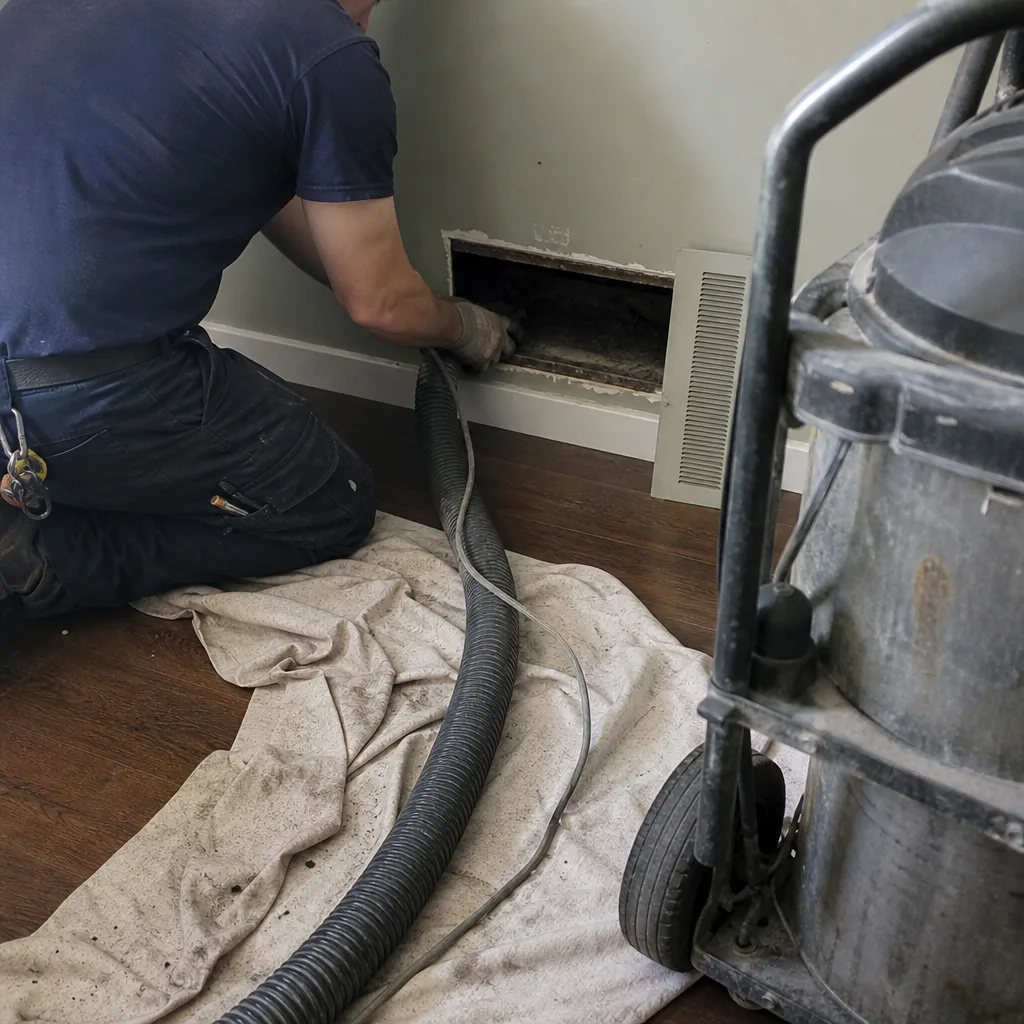 Before
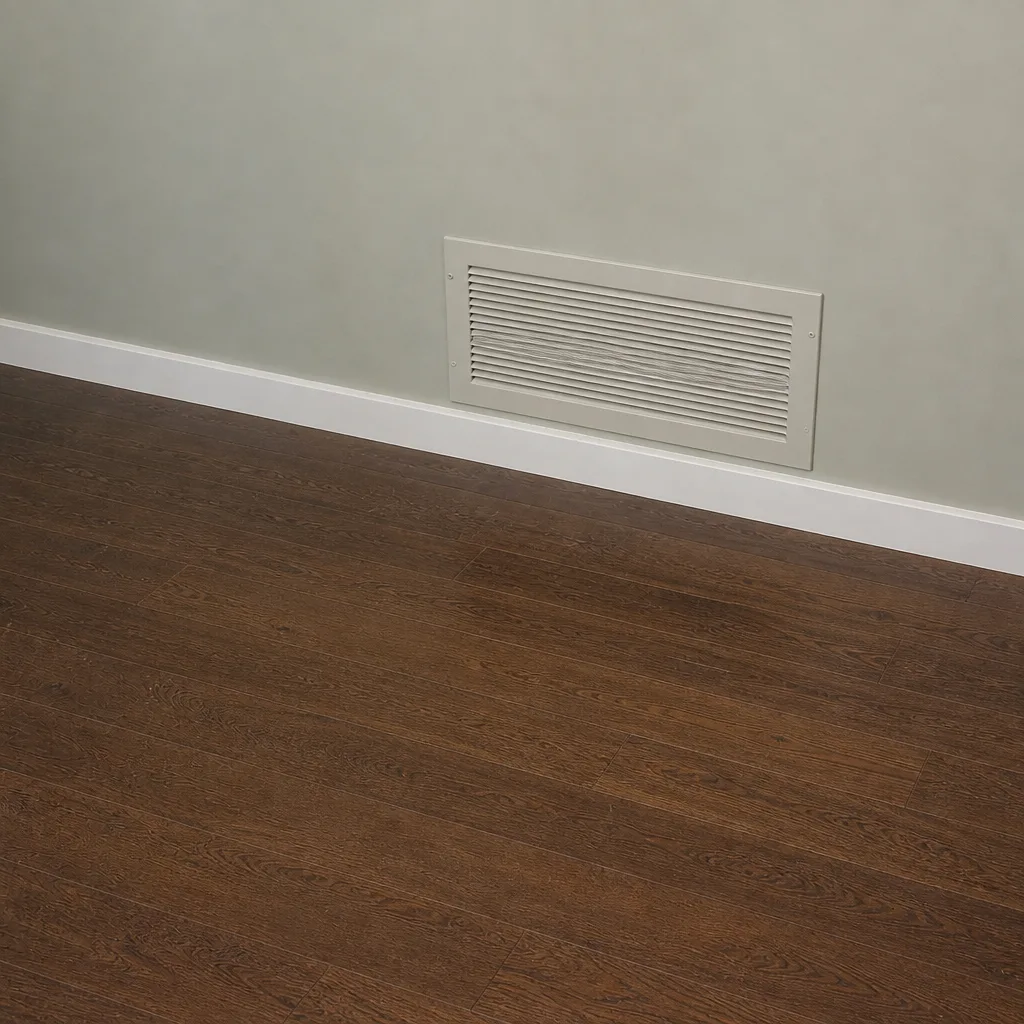 After
When to Call a Professional
Some of this you can handle yourself: shutting down the HVAC, changing the filter, documenting with photos, putting a room purifier in a bedroom. The line is where the work stops being about the room and starts being about the ducts. Call a professional when there’s water in the ductwork, when rodents have been in the system, when there’s visible smoke residue at more than one register, when a duct run has visibly come apart in an attic or crawlspace, or when a household member with allergies or asthma is still reacting after the smoke has cleared and the filter has been changed.
Also call if you’re filing an insurance claim and need an inspection report with before-and-after documentation. The written scope matters as much as the cleaning.
Duct Cleaning Meridian offers free estimates in Meridian. Call (866) 389-4992. We answer 24/7. Fast dispatch from 7am to 7pm, Sunday through Friday. Our technicians have up to 12 years of experience, and we handle cleaning, repair, and dryer vent cleaning as related services under one scope. We clean it. We repair it. We clear the dryer vent.
Frequently Asked Questions
Within the first week after outdoor air clears, and change the filter within 72 hours of the event. The 72-hour filter change is the urgent step. The duct cleaning is best done once the outdoor smoke has lifted, because cleaning during an active smoke event doesn’t help and can make things worse. Call (866) 389-4992 to get scheduled. Estimates are free.
It removes it, but only when the equipment is designed to contain what it dislodges. Professional-grade contact-vacuum systems agitate the duct interior and extract the material into a HEPA-rated capture, so the particles are removed rather than recirculated. A shop-vac setup moves air but doesn’t contain it. The difference is the containment step, and it’s the part that matters most after a smoke event.
48 hours is the critical threshold. Past that point, mold colonization on wet duct surfaces becomes likely, and the remedy shifts from cleaning to repair and possibly replacement. Shut the system down, find and stop the water source, and get the duct interior inspected and dried as quickly as possible. Call (866) 389-4992 for an inspection. Estimates are free.
Very often it’s both. Rodents get into duct systems through gaps at the foundation, exterior penetrations, and failing duct joints. Cleaning the ducts removes the contamination, but sealing the entry points is what keeps the problem from returning. If you’re hearing scratching, don’t run the system until it’s been inspected.
Ask for before-and-after photos of the duct interior, a written scope of work, dated inspection notes, a description of the equipment used, and a written estimate for any remaining work. Take your own photos on the day of the event before anything is touched. Insurers respond to a documentation trail that starts before the cleaning company arrives.
A matched, well-fitted filter reduces what gets past the air handler, but it doesn’t prevent contamination from settling in the ducts. The filter is a first line of defense, not a substitute for periodic duct inspection. If you’re considering a filtration upgrade, we work with Honeywell and Aprilaire systems, and it’s a conversation worth having alongside an inspection rather than instead of one.
The Bottom Line
The indoor-air emergency belongs in the Meridian household plan next to the smoke plan and the outage plan. After a smoke event, limit HVAC circulation, change the filter within 72 hours, and schedule cleaning once outdoor air clears. After water intrusion, shut the system down immediately, stop the source, and get the duct interior dried and inspected before the 48-hour mark. After rodent intrusion, clean and seal. Document everything with dated photos and a written scope, especially if you intend to file a claim. And treat the cleaning visit as the recovery step, not the whole plan. If your Meridian home has just been through one of these events, we’re ready to help.
Call (866) 389-4992 for a free estimate. We answer 24/7. Fast dispatch from 7am to 7pm, Sunday through Friday.
Written by the team at Duct Cleaning Meridian.