
Last updated November 14, 2026
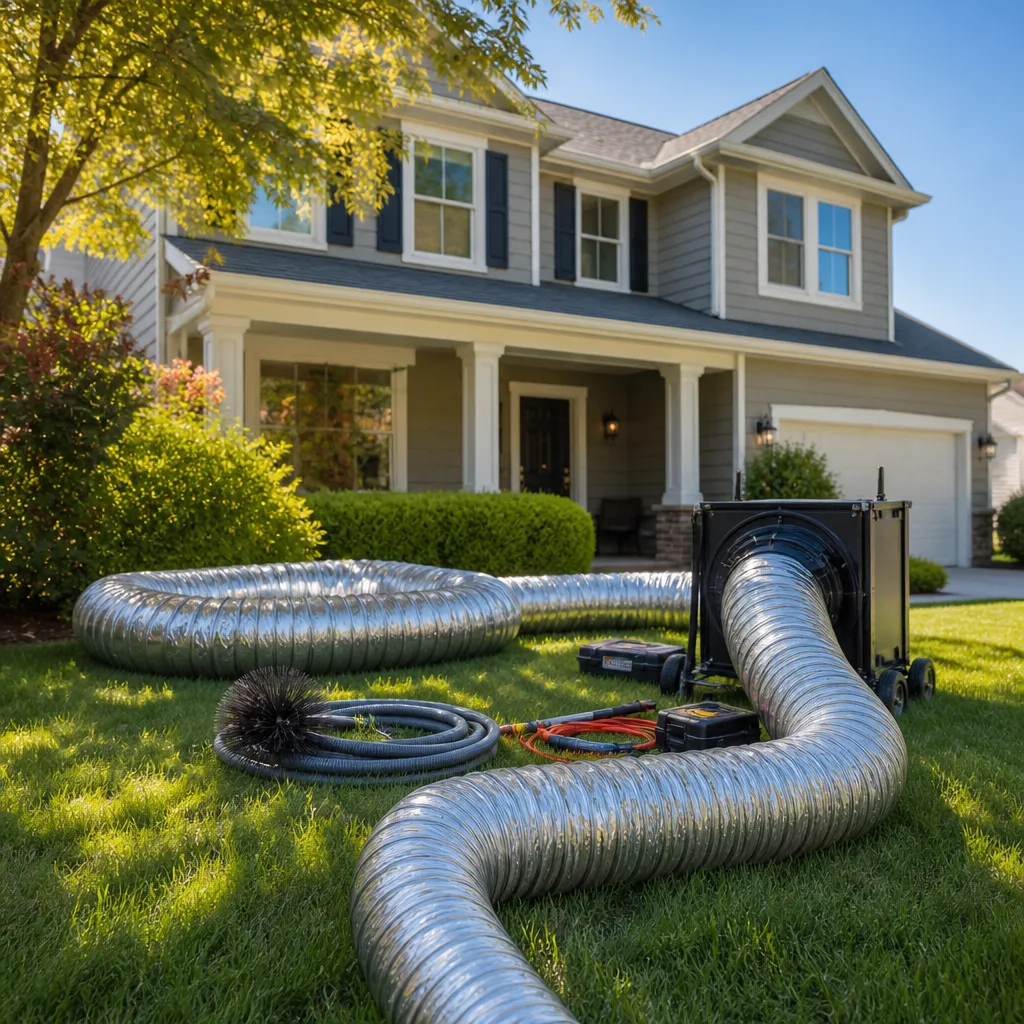 Whole-home duct cleaning
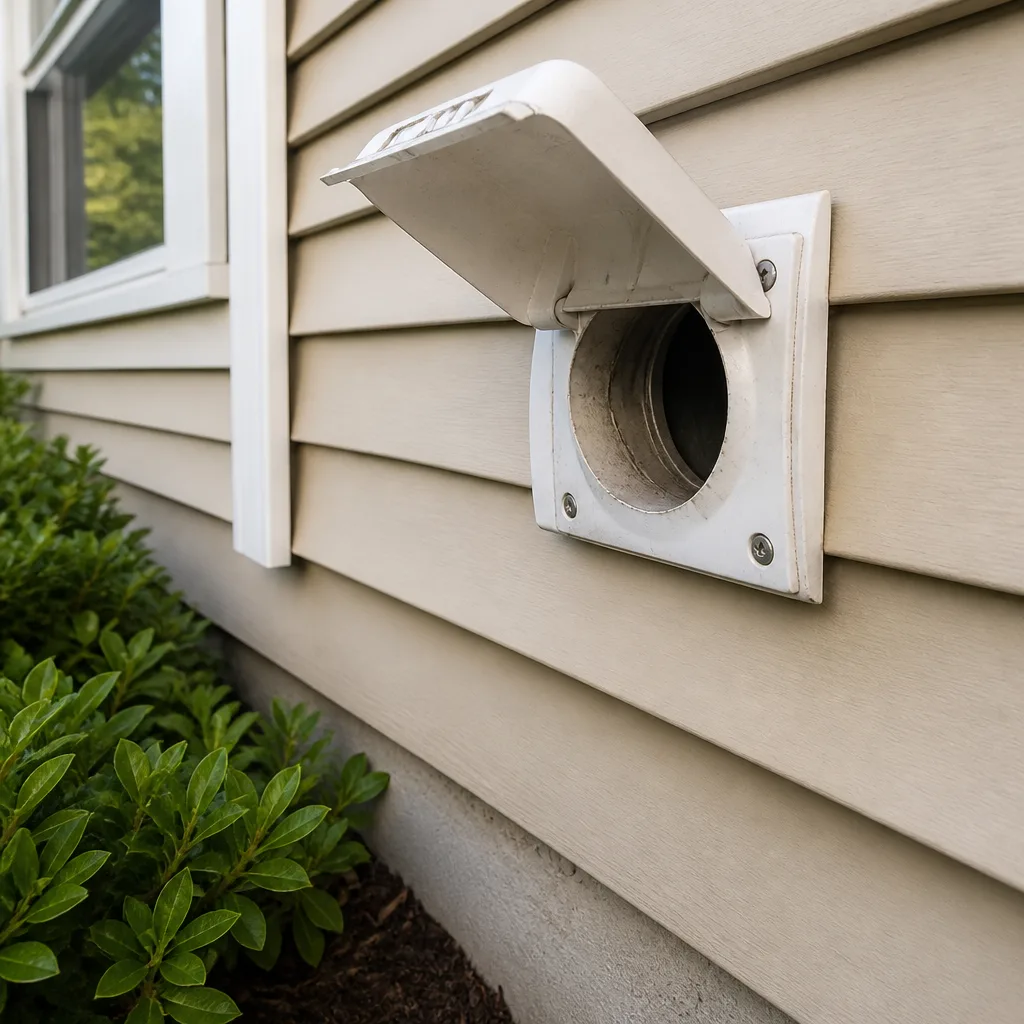 Dryer vent cleaning
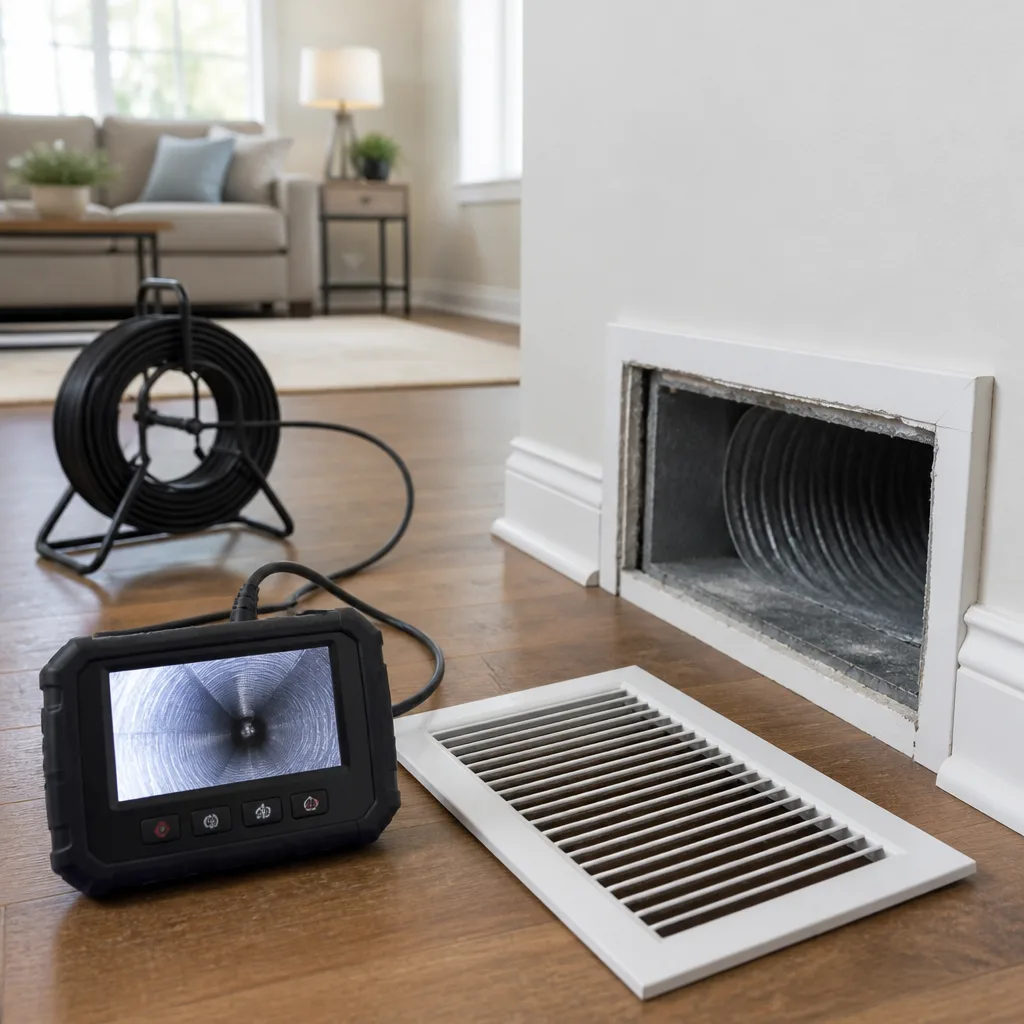 Camera inspection
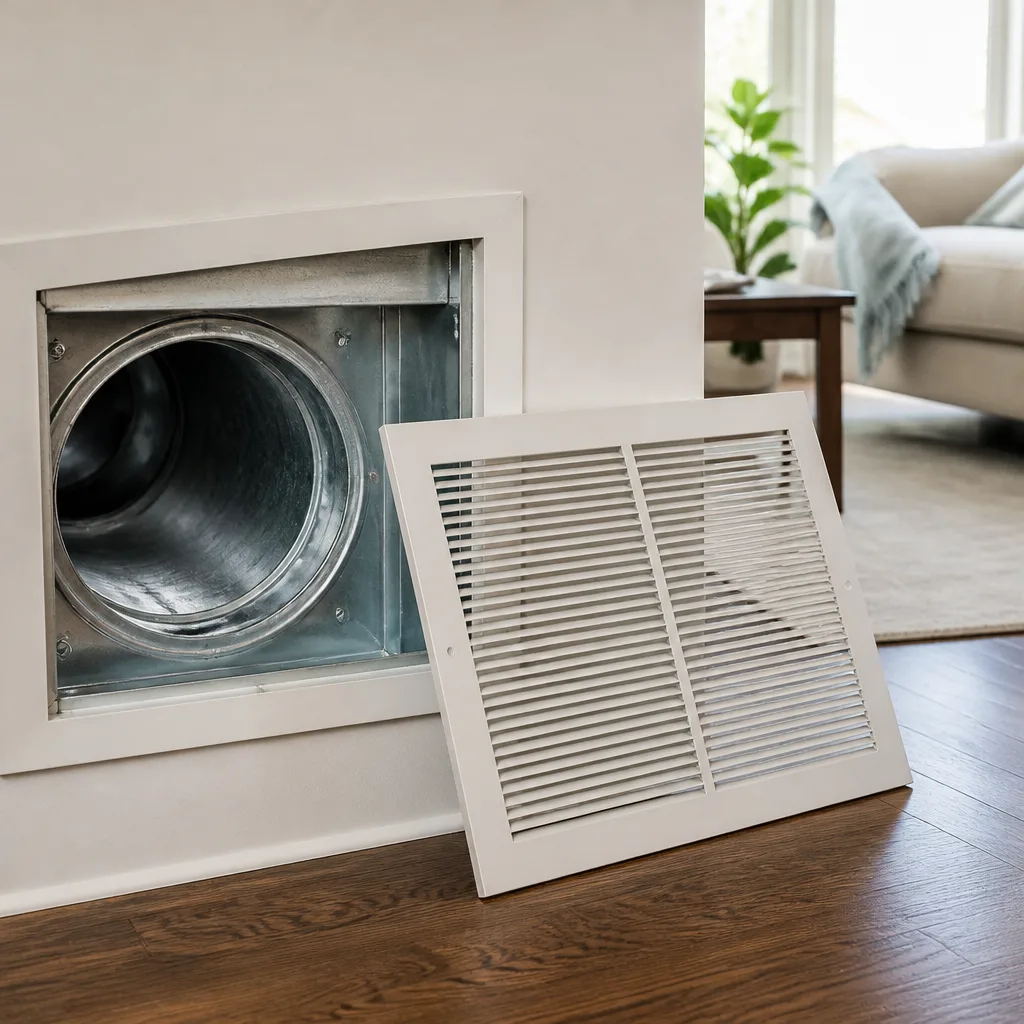 Sanitizing & deodorizing
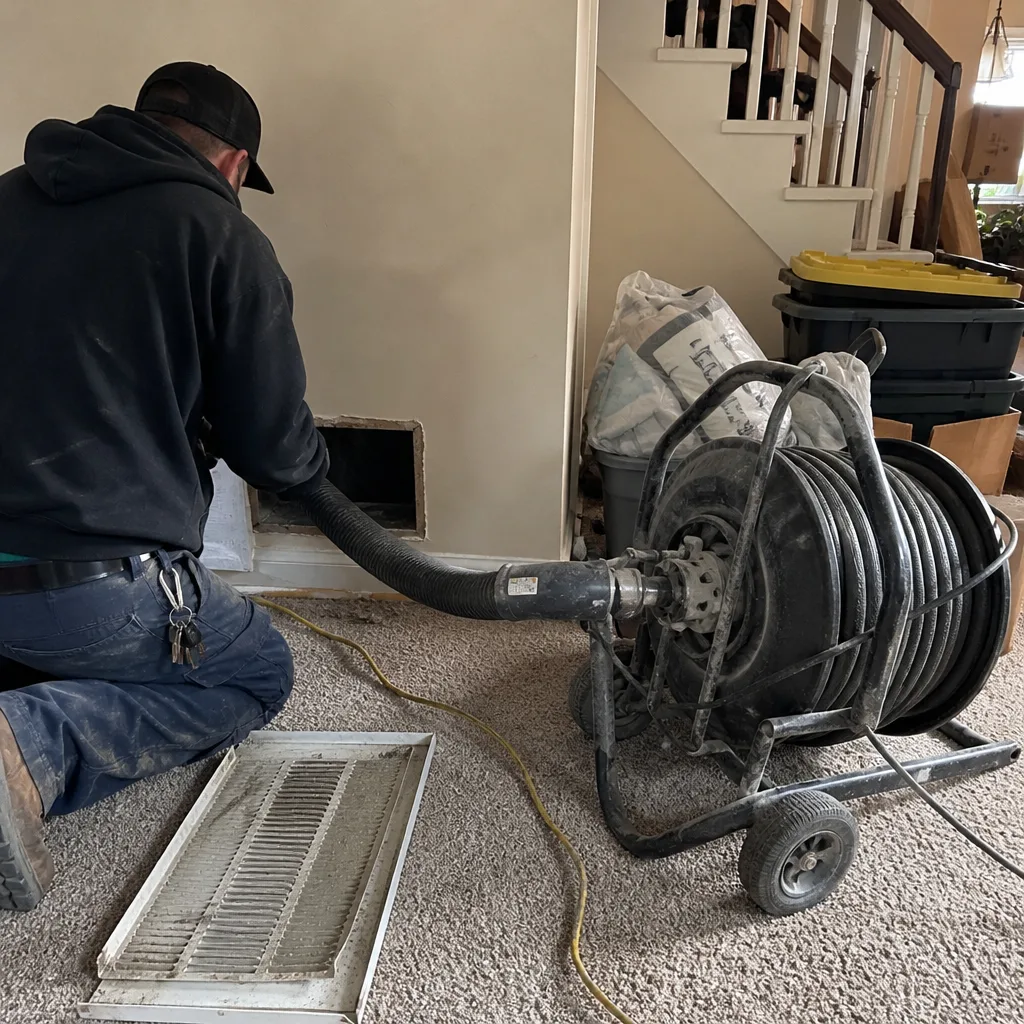
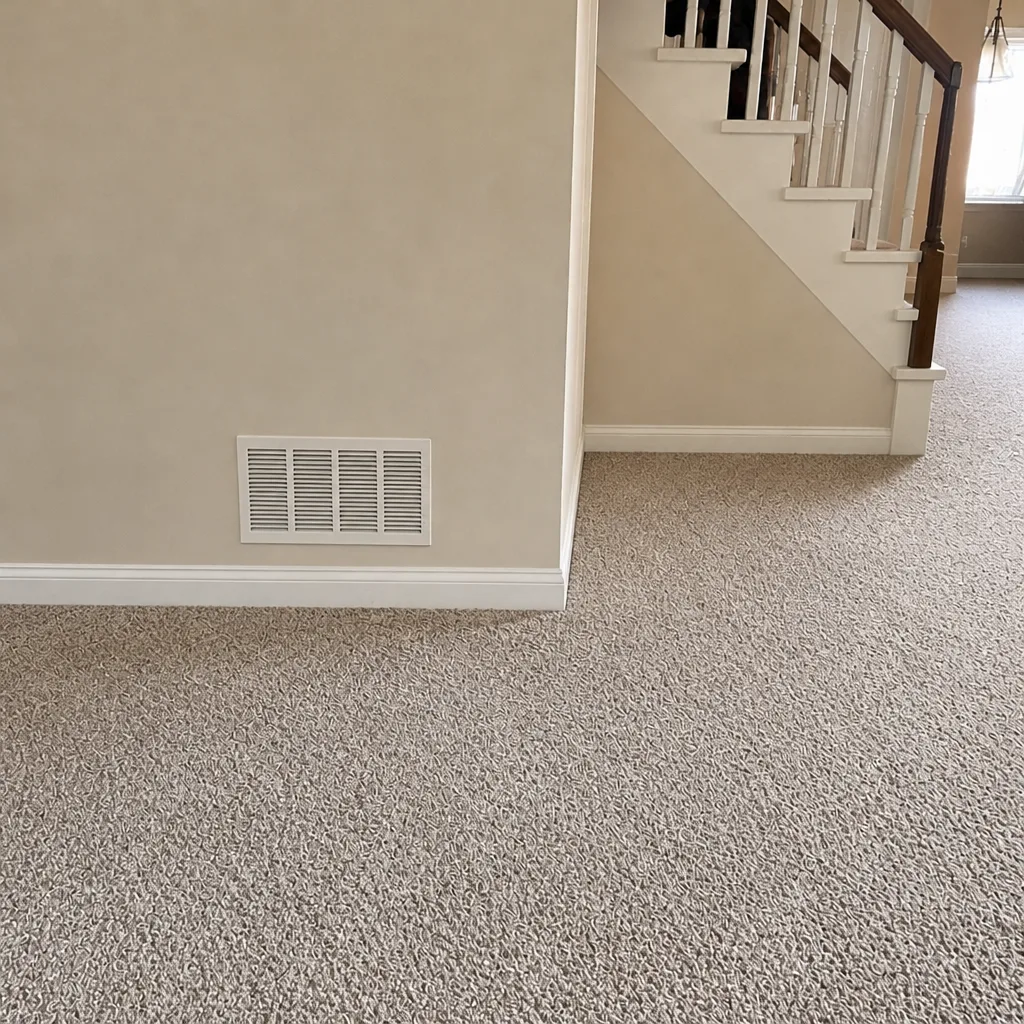
Whole-system duct and dryer vent check with before-and-after photos - you see exactly what came out of your vents
That "$99 whole-house special" is a bait ad - the real number appears once they are in your hallway, or the "clean" is a shop-vac at the register. We photograph the inside of your ducts before and after instead.
The Complete Guide to Air Duct Cleaning in Meridian
Most homeowners here assume a newer house means cleaner ducts. The opposite is often true. Meridian’s construction boom has filled subdivisions with homes whose ductwork has never been touched since the drywall crew packed up, and the dust left behind by building isn’t the same as ordinary settled house dust. It’s heavier, sharper, and far more stubborn once the blower has pushed it into every branch line. Cleaning that out takes different equipment settings than a routine maintenance visit, and few homeowners know the difference before they start collecting quotes. This guide walks through what’s actually inside Meridian ducts, which machines remove it, and how to tell a real cleaning from a quick vacuum pass.
Quick Answer
Air duct cleaning in Meridian means removing built-up dust, construction debris, and wildfire smoke residue from the entire duct system with professional contact-vacuum and HEPA-filtration equipment, not just vacuuming the grilles. In Meridian’s high-desert climate, that buildup accumulates faster than in wetter regions, and homes built in the last several years usually carry more contamination than older ones because post-construction debris was never purged. A complete job includes pre- and post-inspection, source-capture containment during cleaning, and a MERV-rated filter that fits the system.
Styles & brands we work with
- Whole-home duct cleaning
- Dryer vent cleaning
- Camera inspection
- Sanitizing & deodorizing
Table of Contents
- Why Meridian’s Climate Changes Your Duct Contamination
- Why New Construction in Meridian Often Has Dirtier Ducts
- The Three Methods That Actually Clean Ducts
- What a Real Pre- and Post-Inspection Looks Like
- MERV Filters: Finishing the Job, Not an Upsell
- Duct Repair: Cleaning Can’t Fix a Disconnected Run
- Dryer Vent Cleaning Is a Fire-Safety Job
- What Duct Cleaning Costs in the Meridian Market
Why Meridian’s Climate Changes Your Duct Contamination
Meridian sits in a high-desert valley, and that geography shapes what ends up in your ductwork more than any single cleaning decision you’ll make. The air here runs dry most of the year, which means dust stays light and airborne longer instead of settling and sticking the way it does in humid climates. Your HVAC system then does what it’s designed to do: pulls that dust through the return, traps some of it in the filter, and pushes the rest into the supply trunk and branch lines, where it clings to the sheet metal walls.
Add wildfire smoke season on top of that. From late spring into early fall, smoke from regional fires pushes fine particulates across the valley, and even with windows shut, those particles find their way in. They’re small enough to slip past lower-efficiency filters and coat the inside of ductwork with a fine residue that settles on top of the household dust already there. By the time the smoke clears, you’ve got a layered problem rather than a single kind of buildup.
What that means practically:
- Dry air keeps dust suspended longer. It travels deeper into the system before it settles, so cleaning just the visible grilles misses the bulk of it.
- Smoke season adds a fine-particulate layer. That residue behaves differently than dust and needs HEPA-rated capture to remove without sending it back into living spaces.
- Valley temperature swings stress the system. The furnace and AC cycle hard through hot days and cold nights, which means more air volume pushed through the ducts and more opportunity for buildup to distribute.
- Spring wind brings topsoil and pollen. Meridian’s windy stretches push fine grit against every gap in the building envelope, and some of it enters through the return.
None of this happens overnight, but it does compound. A system that’s been through several fire seasons in this valley without a professional cleaning is holding more than the homeowner expects. If you’ve been wondering whether it’s time, our overview of air duct cleaning covers the basics of what a visit involves.
Why New Construction in Meridian Often Has Dirtier Ducts
Here’s the counterintuitive part. A five-year-old house in Meridian frequently starts a cleaning job with more contamination than a twenty-year-old house on the same block. The reason is construction debris, and it’s structurally different from ordinary household dust.
When a home is framed, drywalled, textured, and finished, a significant amount of material ends up inside the ductwork before the system ever runs. Drywall dust is fine and alkaline. Insulation fibers are light and cling to surfaces. Sawdust and trim shavings settle into trunk lines during finish work. Builders typically tape off the supplies, but tape fails, and return lines are often left wide open during the entire build. Then the system kicks on for the first time, and all of that material gets distributed through the house.
What makes construction debris different:
- It’s abrasive. Drywall dust and silica particles wear on blower components and heat exchanger surfaces over time.
- It’s finer and denser than house dust. It packs against duct walls instead of sitting loose, so a light vacuum pass won’t dislodge it.
- It’s often chemically active. Joint compound and texture sprays leave alkaline residue that can hold moisture and encourage the surface to stay tacky.
- It comes from a single event, not gradual accumulation. The entire volume lands at once, so the concentration is much higher than what builds up over years of normal living.
Rapid construction across Meridian subdivisions means thousands of homes have never had a post-build duct purge, and the owner may not notice for years because the system still blows air. If your house was built recently and the ducts have never been professionally cleaned, the highest-value cleaning you’ll ever do is that first one.
Some builders do a version of this before closing. It’s rarely the same as a full professional cleaning with camera inspection and contact vacuuming, especially for the long trunk runs and the branches that feed less-used rooms.
The Three Methods That Actually Clean Ducts
Not all duct cleaning is the same procedure. There are three main techniques, and understanding what each one does tells you what to ask about when you get quotes. A legitimate job usually combines two or three of them.
1. Contact Vacuuming
A contact vacuum is a high-powered vacuum head connected to a HEPA-rated unit. The technician inserts it into the duct and physically seals off the section to create suction at the source. Contact vacuuming removes loose debris from reachable sections and is the baseline for any real cleaning. Rotobrush contact-vacuum systems are what we use because they combine agitation and suction in one pass.
2. Agitation Brushing
Some debris is stuck. Drywall dust packs against the walls, and so does smoke residue. Agitation brushes, driven by rotating whip lines or compressed air, break that material loose from the duct surface so it can be captured. Brushing alone doesn’t clean a system, but without it, contact vacuuming leaves a layer behind. The combination of agitation and simultaneous extraction is what separates a real cleaning from a surface pass.
3. Negative-Air Extraction
This is the technique that protects your living space. A large HEPA-rated vacuum is connected to a single point in the system, usually the main trunk, and pulls the entire duct network into negative pressure while technicians work. Every dislodged particle is pulled toward the vacuum rather than drifting into the room. This is where equipment matters. Nikro HEPA-filtration machines and Abatement Technologies source-capture units are purpose-built for this, and they’re what separates a professional cleaning from a shop-vac operation.
When each method is needed:
- Routine maintenance on a maintained system: contact vacuuming plus negative air, no heavy agitation.
- First cleaning on new construction: all three, plus containment to protect living areas from dislodged drywall dust.
- Post-wildfire-season cleaning: agitation brushing to break loose smoke residue, plus HEPA-rated capture throughout.
- Heavy buildup or visible debris at grilles: all three with full-system source capture.
If a quote you receive doesn’t mention negative-air extraction or containment, that’s a signal to ask what equipment is being used and whether the technician can show you the set-up before starting.
What a Real Pre- and Post-Inspection Looks Like
Inspection is the part that gets skipped most often, and it’s the part that proves the work happened. Any duct cleaning should start and end with documentation, and you should see the before-and-after visuals yourself.
A complete inspection includes these steps:
- Camera inspection inside the main trunk line before cleaning. A small camera on a flexible line is inserted into the trunk so the technician can see the actual condition of the interior surface. This is where the true baseline is established.
- Component check. Blower, coils, drain pan, and accessible plenums are inspected for debris, moisture, and anything that shouldn’t be there.
- Run-by-run assessment. Each branch is checked for airflow, disconnected flex runs, and visible debris at the register boots.
- Cleaning with containment in place. Source-capture equipment is positioned before any agitation begins, so dislodged material is contained from the first pass.
- Post-cleaning camera verification. The same camera goes back into the trunk and key branches after cleaning. You should see the interior, not just hear that it was done.
- Photo documentation. Before-and-after photos of your actual ducts, not stock images. This is the clearest evidence the job was completed.
The value of this sequence is simple: without a camera, nobody knows what’s inside the trunk, and the homeowner has no way to confirm the cleaning actually reached it. If a company refuses to show before-and-after photos of your ducts, that’s a real reason to look elsewhere. When the work is documented, the homeowner gets proof in hand rather than a promise.
MERV Filters: Finishing the Job, Not an Upsell
Cleaning the ducts and leaving a low-grade filter in the return is a partial job. The filter is the one barrier between the debris circulating in your home and the inside of your ductwork. Upgrading to a MERV-rated filter after a cleaning is a completion step, not an add-on.
MERV ratings describe how effectively a filter captures particles of different sizes. Higher ratings capture more, but they also restrict airflow, and a filter that’s too restrictive for the blower can strain the system. The right filter depends on your furnace or air handler as much as on your air quality goals. That’s why the brand of the system matters. Honeywell and Aprilaire filtration systems are engineered with specific cartridge and housing specifications, and installing the correct filter in the correct housing is what gives you the airflow and capture you paid for.
What a MERV upgrade actually does:
- Captures finer particles than the standard 1-inch filter most builders install, including the fine dust that survives a cleaning pass.
- Protects the cleaned duct surfaces from re-contamination, so the cleaning stays effective longer.
- Reduces dust settling on furniture and surfaces because particles are trapped before they circulate through the home.
- Works longer between changes with the correct media cabinet style, which is why Aprilaire and Honeywell housings are worth discussing if your system supports one.
If your current filter is the cheapest fiberglass panel from the hardware store, that’s not a failure of the cleaning, it’s a gap in the system. We work with Guardsman filtration products and can talk through what fits your air handler without pressuring a specific brand. The right filter is the one that matches your system’s airflow rating and your household’s dust load.
Duct Repair: Cleaning Can’t Fix a Disconnected Run
Sometimes the ducts don’t need cleaning so much as they need fixing. A disconnected flex run, a crushed section behind a cabinet, or a failed joint at a trunk fitting pushes conditioned air into the attic or crawlspace instead of into the room. No amount of cleaning addresses that, and the energy loss continues until the duct is repaired.
Common duct problems we find in Meridian homes:
- Disconnected flex duct at register boots. Flex settles and slips off the boot over time, sending air into unconditioned space.
- Crushed or kinked runs. Furniture, framing changes, or settled insulation can compress a run until airflow drops.
- Failed mastic or tape at trunk joints. The joint looks sealed until you put a hand near it and feel the leak.
- Deteriorated duct board or interior liner. Older lining material can flake and shed fibers into the airstream.
- Rough transitions and sharp turns. These create turbulence and slow airflow without a visible defect.
Diagnosing these isn’t part of a routine cleaning quote unless the technician is trained to look for them. Ask directly whether the service includes a duct integrity check. Anyone can run a vacuum through a system; finding and fixing a breach takes a different skill set and different tools. We clean it, we repair it, we clear the dryer vent, and the same trained technicians handle all three.
Dryer Vent Cleaning Is a Fire-Safety Job
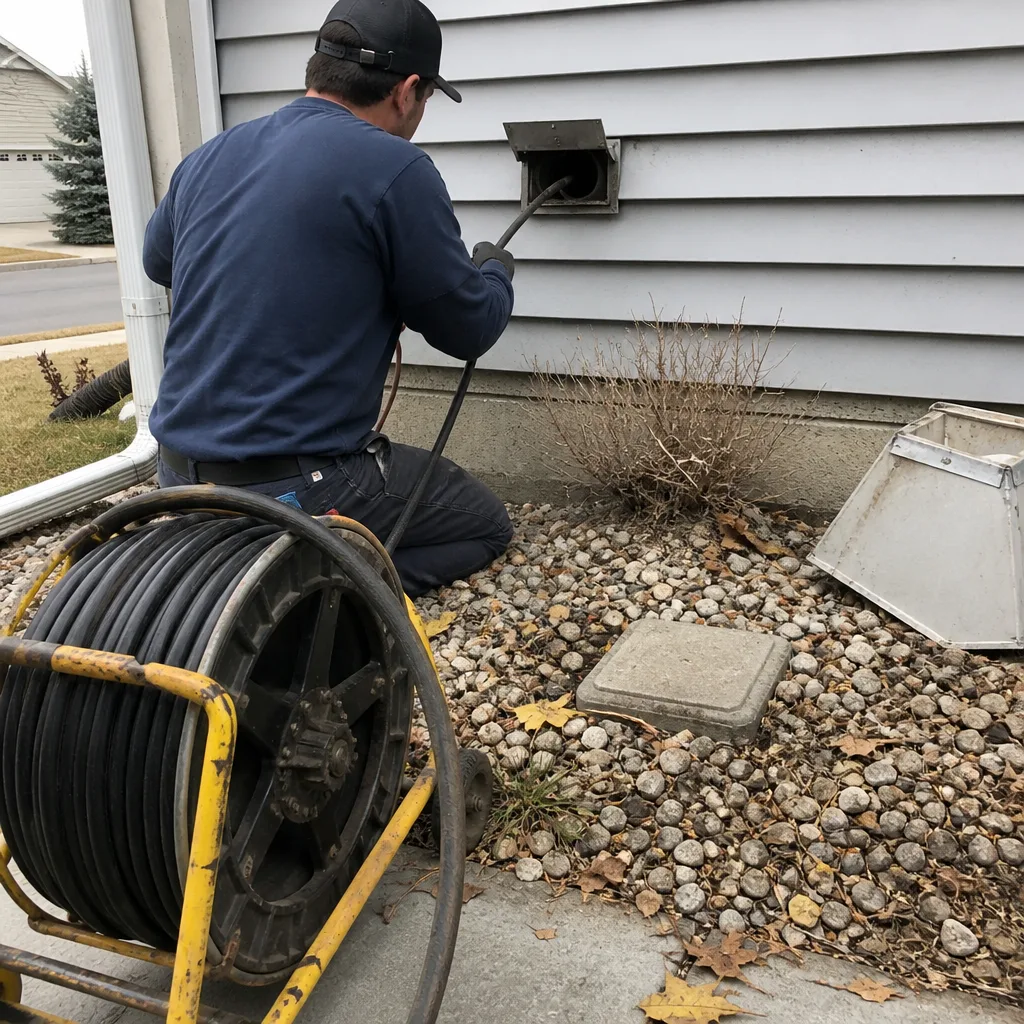
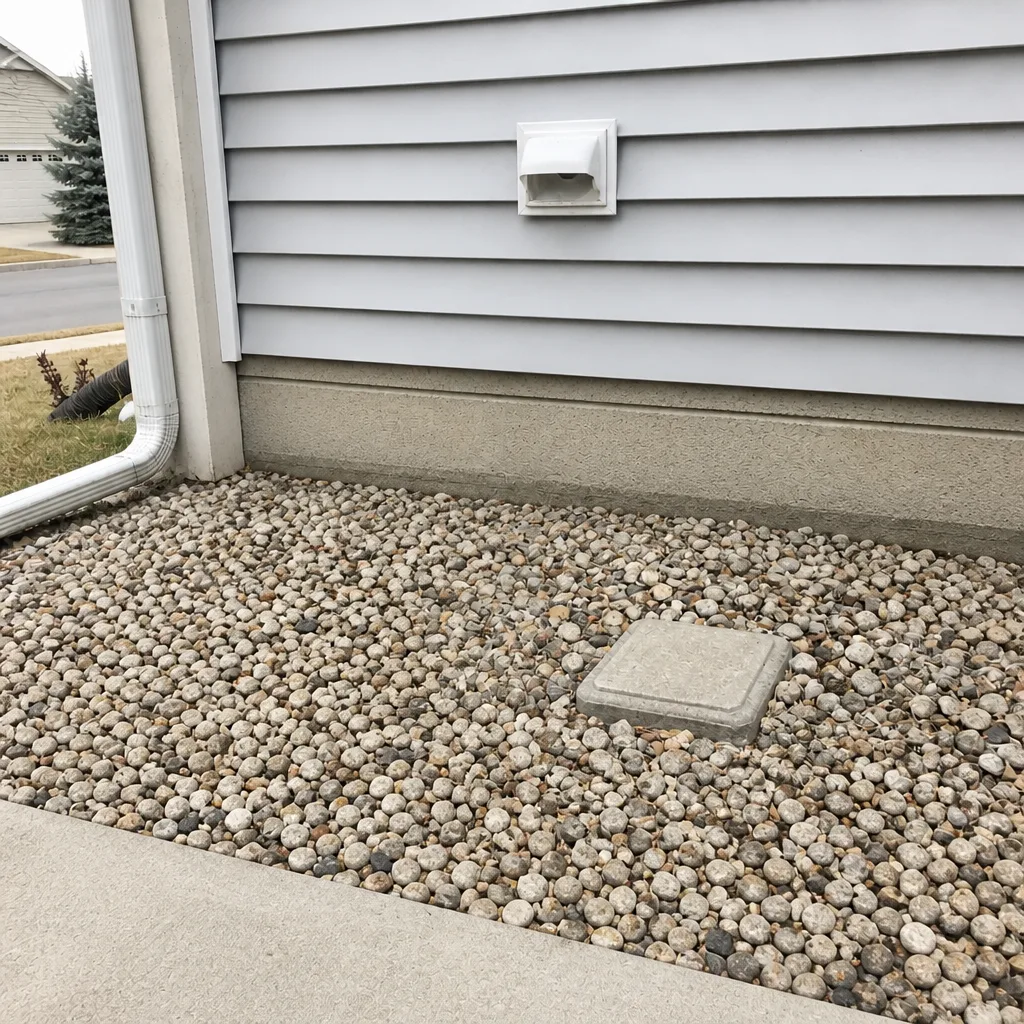
Dryer vent cleaning belongs in a complete indoor air quality conversation because it’s the one duct in your home that can cause a house fire. Lint is highly flammable, and it builds up in the vent line every time the dryer runs. When the vent becomes restricted, the dryer overheats, and that restriction combined with accumulated lint is one of the leading causes of residential fires in the country. The National Fire Protection Association has documented this pattern for decades.
Signs your dryer vent needs attention:
- Clothes take longer than one cycle to dry.
- The dryer body feels hot to the touch during operation.
- A burning or musty smell appears when the dryer runs.
- Lint accumulates around the outside vent hood.
- The vent flap doesn’t fully open while the dryer runs.
Cleaning the vent line properly means running a brush and vacuum through the entire run from the dryer connection to the exterior hood, not just vacuuming the lint trap. Long runs, multiple elbows, and flexible foil lines collect the most lint, and those are exactly the configurations where a homeowner can’t reach the buildup with a shop vac. Professional dryer vent cleaning handles the whole line with equipment that clears the full length.
Treat this as a separate safety service on a defined schedule rather than an afterthought during a duct cleaning. It’s the single most important duct-related safety step in most homes.
What Duct Cleaning Costs in the Meridian Market
Duct cleaning is quoted per system, not per vent, and the difference matters more here than most homeowners realize. The right question isn’t “how much per vent” but “what’s the flat price for my whole system.” Quotes that start with a low per-vent figure rarely end there, and a system with a single furnace and a single trunk isn’t priced the same as a two-system house with long branch runs.
In the Meridian market, whole-system cleaning typically falls into these estimated ranges:
| Job Type | Typical Estimated Range |
|---|---|
| Single-system home, standard cleaning | $300 – $550 |
| Two-system home or long-run configuration | $550 – $900 |
| Post-construction first cleaning, single system | $400 – $700 |
| Duct repair (per affected run or joint) | $180 – $450 |
| Dryer vent cleaning | $120 – $225 |
These are estimates. The written estimate sets the final price, and it’s given before work starts. A flat price per system means no per-vent surprise, no add-on charge for a branch line, and no pressure to make a decision on the spot.
Why some quotes are dramatically lower: a low teaser figure usually comes from a company that vacuums only the visible boots and calls it done, or from a bait-and-switch pattern where the price climbs once the technician is in the home. The equipment cost is the difference. Rotobrush contact-vacuum systems, Nikro HEPA units, and Abatement Technologies containment gear are professional-grade tools that cost real money, and a company that uses them prices the job to match. A shop-vac operation can quote far less because the work is far less. When quotes are compared, ask what equipment the crew will use and whether before-and-after photos of your ducts will be included.
Common Mistakes to Avoid
- Assuming a new house has clean ducts. Meridian’s post-construction homes typically need the first professional cleaning more than older homes do, and a walkthrough before closing doesn’t purge the system.
- Hiring the lowest per-vent price. Per-vent pricing invites a low teaser that becomes a much larger invoice once work starts. Ask for a flat price per system in writing.
- Skipping the inspection. If a company won’t camera-inspect the trunk line before and after, you can’t confirm the cleaning reached the worst sections. Before-and-after photos of your own ducts should be standard, not a special request.
- Letting a cleaning crew work without containment. Without HEPA-rated source capture, dislodged debris ends up back in your living room air. Containment equipment is the difference.
- Upgrading to the highest MERV filter without checking airflow. Too restrictive a filter strains the blower. The right MERV takes the system into account, and Aprilaire and Honeywell housings are designed around specific ratings.
- Cleaning ducts while ignoring disconnected runs. A broken flex duct or open joint sends debris into the attic and bypasses the room entirely. Duct integrity should be part of the inspection.
- Treating the dryer vent as optional. It’s the one duct in the home with a documented fire risk, and it should be cleaned on its own schedule regardless of when the ducts last were.
See the difference
 Before
 After
 Before
 After
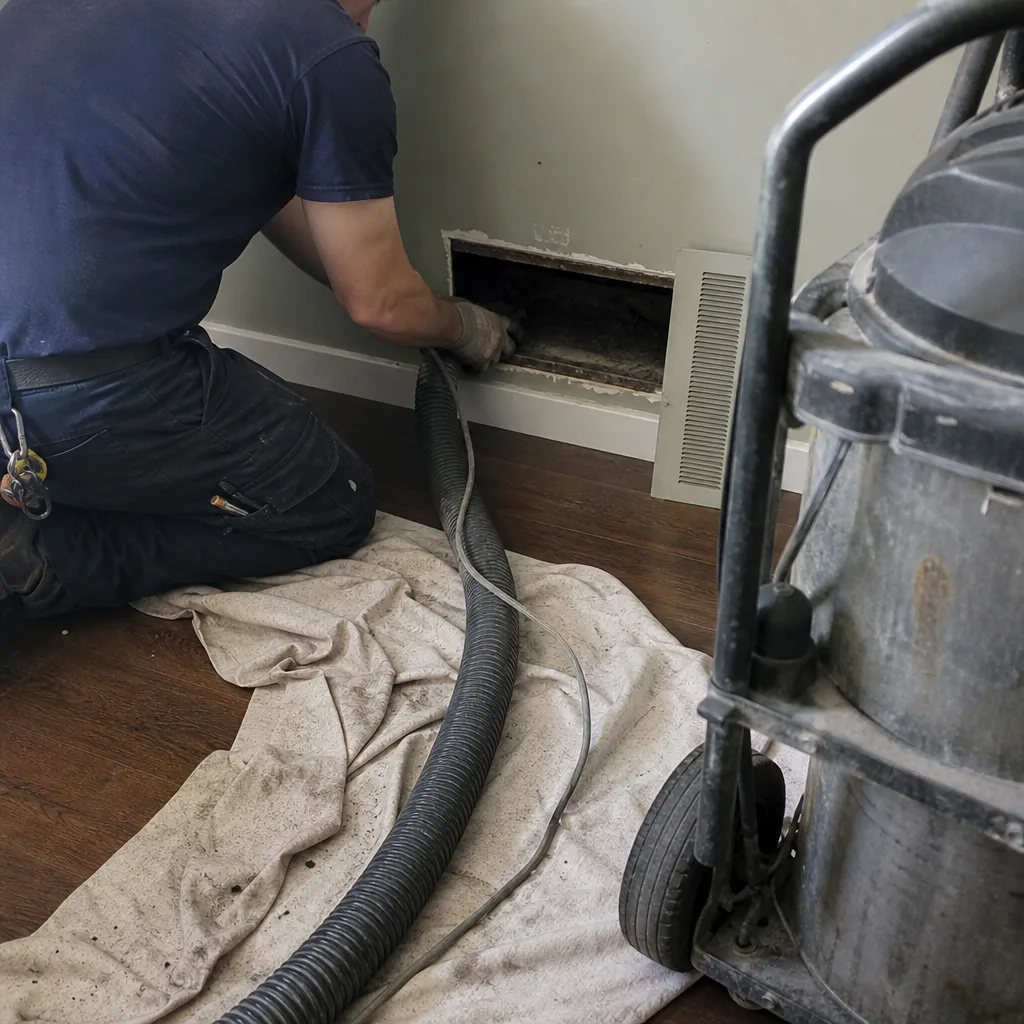 Before
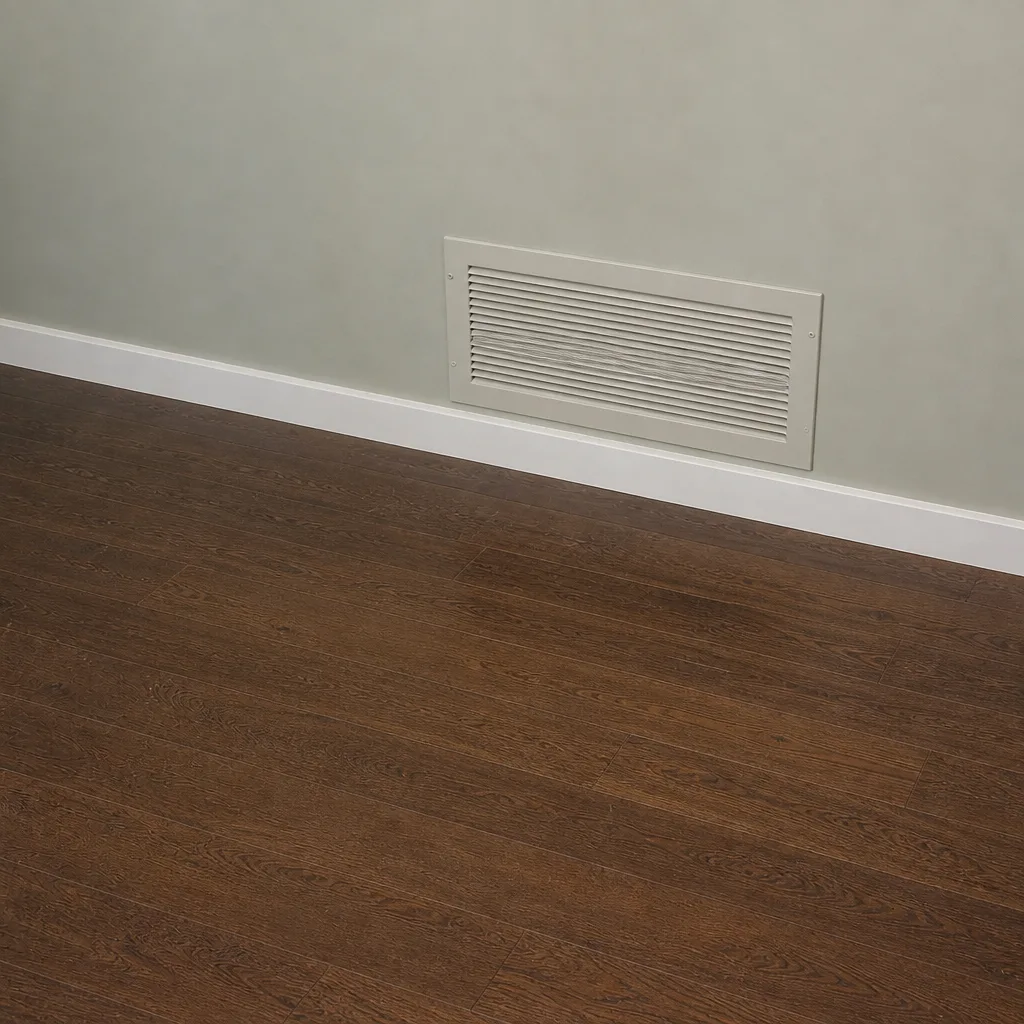 After
When to Call a Professional
Some schedules are obvious and some aren’t. Call a professional when you move into a recently built Meridian home that has never had a post-construction cleaning, when anyone in the household has allergy or asthma symptoms that get worse indoors, or when you’ve noticed visible dust plumes at the registers when the system turns on. Post-renovation is another clear trigger; drywall dust from a remodel behaves exactly like the construction debris already described, and a contained cleaning keeps it out of the living space. Wildfire smoke season in this valley leaves a fine residue that a MERV filter alone won’t remove, so a system that’s been through a couple of heavy smoke years is worth inspecting. And if the dryer takes two cycles to dry a load, treat that as a dryer vent call rather than an appliance problem.
Duct Cleaning Meridian offers free estimates in Meridian – call (866) 389-4992. We answer 24/7. Fast dispatch from 7am to 7pm, Sunday through Friday.
Frequently Asked Questions
Whole-system air duct cleaning in Meridian typically runs about $300 – $550 for a standard single-system home, with two-system and long-run configurations closer to $550 – $900. Post-construction first cleanings usually fall in the $400 – $700 range because the debris load is higher and containment is a longer job. We give a flat price per system in the written estimate before any work starts, with no per-vent pricing. Call (866) 389-4992 for an exact quote – estimates are free.
Every three to five years is a reasonable interval for a home with MERV-rated filtration and regular filter changes, but Meridian’s dust and smoke load often pushes that sooner. Homes with pets, allergy sufferers, or recent remodels usually need it more often. New construction needs the first cleaning within the first few years, not after a decade. Call (866) 389-4992 and we’ll talk through your household’s specifics before quoting.
Ask for camera verification of the main trunk line before and after cleaning, plus before-and-after photos of your own ducts, not stock images. A legitimate service shows you the interior condition at both ends of the job, and the photos belong to you afterward. If a company can’t produce that documentation, that’s a reason to look elsewhere. Call (866) 389-4992 – we’ll walk you through what the inspection shows before anything starts.
Cheap quotes usually come from companies that only vacuum the visible boots, skip containment, and use consumer-grade vacuums instead of HEPA-rated professional equipment. The difference in price reflects the difference in equipment, time, and coverage. A flat price per system from a company using Rotobrush contact-vacuum systems and Nikro HEPA units reflects the real work. Call (866) 389-4992 and we’ll give an honest whole-system range.
Yes, but only if the cleaning captures the fine residue rather than redistributing it. Smoke particles settle on duct surfaces the same way they settle on furniture, and a HEPA-contained cleaning with agitation brushing is what actually removes the layer. Pairing the cleaning with a properly rated MERV filter in a Honeywell or Aprilaire housing keeps it from coming back as fast. Call (866) 389-4992 to schedule an inspection.
Necessary. It’s a documented fire-safety service, not an add-on, and lint buildup in the vent line is one of the leading causes of residential fires. Cleaning the full line from the dryer connection to the exterior hood is the only way to clear it. If you can’t remember the last time yours was cleaned, it’s due. Call (866) 389-4992 and we’ll book a dryer vent cleaning on its own or alongside a duct service.
The Bottom Line
Air duct cleaning in Meridian isn’t a single procedure, and the equipment actually matters. High-desert dust, wildfire smoke seasons, and post-construction debris create a contamination profile that requires contact-vacuuming, agitation brushing, and negative-air extraction working together, with HEPA-rated capture and containment protecting the living space throughout. Newer Meridian subdivisions need the first cleaning sooner than older homes, not later. Insist on camera inspection and before-and-after photos of your own ducts. Ask for a flat price per system in writing. And remember that the dryer vent is a separate fire-safety job with its own schedule. If you want a technician to look at the real condition of your system, Duct Cleaning Meridian offers three service lines – air duct cleaning, dryer vent cleaning, and air duct repair – handled by the same trained team, working with filtration brands like Honeywell and Aprilaire. Our technicians have up to 12 years of experience, and we’ve seen what Meridian homes actually need.
Call (866) 389-4992 for a free estimate. We answer 24/7. Fast dispatch from 7am to 7pm, Sunday through Friday. Whether you’re in a newer subdivision or an established Meridian neighborhood, the first step is the same: an inspection, a flat written price, and a cleaning you can actually see the results of.
Written by the team at Duct Cleaning Meridian.