
Last updated November 14, 2026
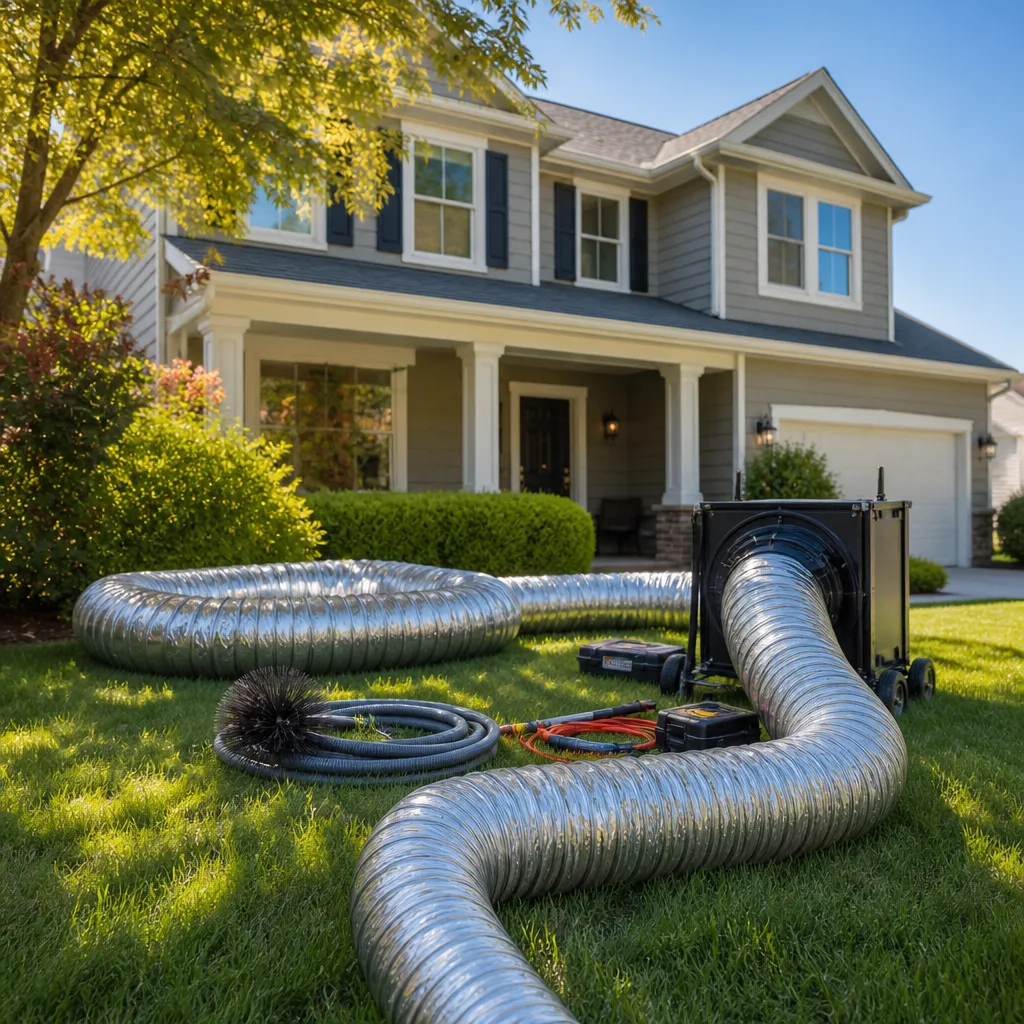 Whole-home duct cleaning
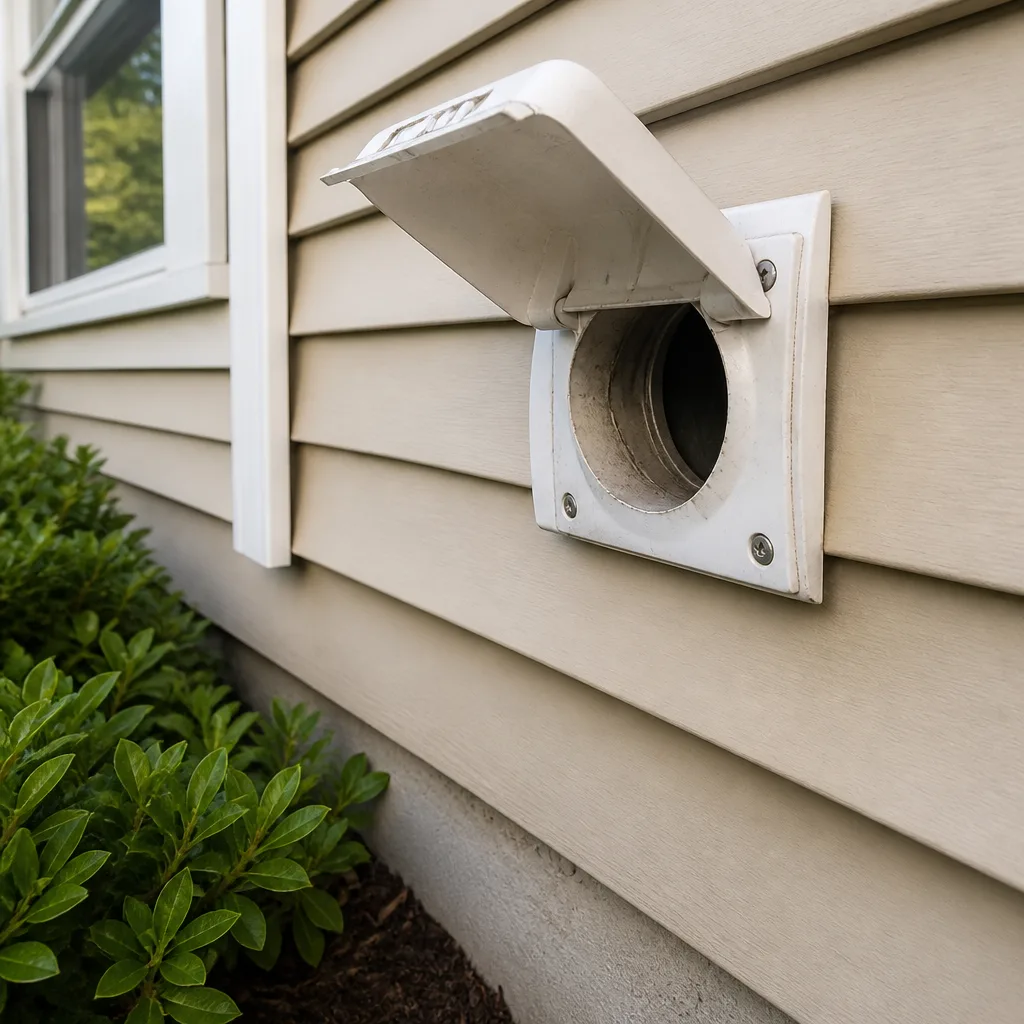 Dryer vent cleaning
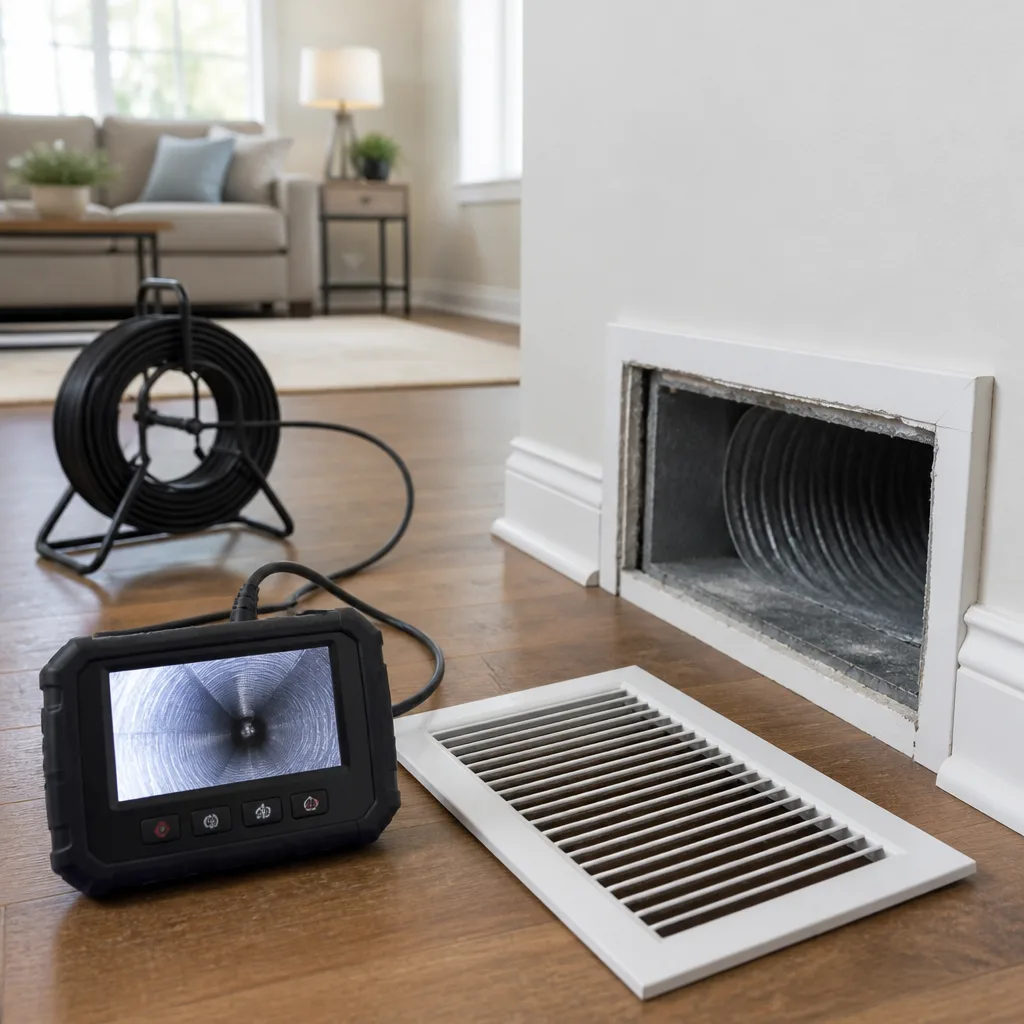 Camera inspection
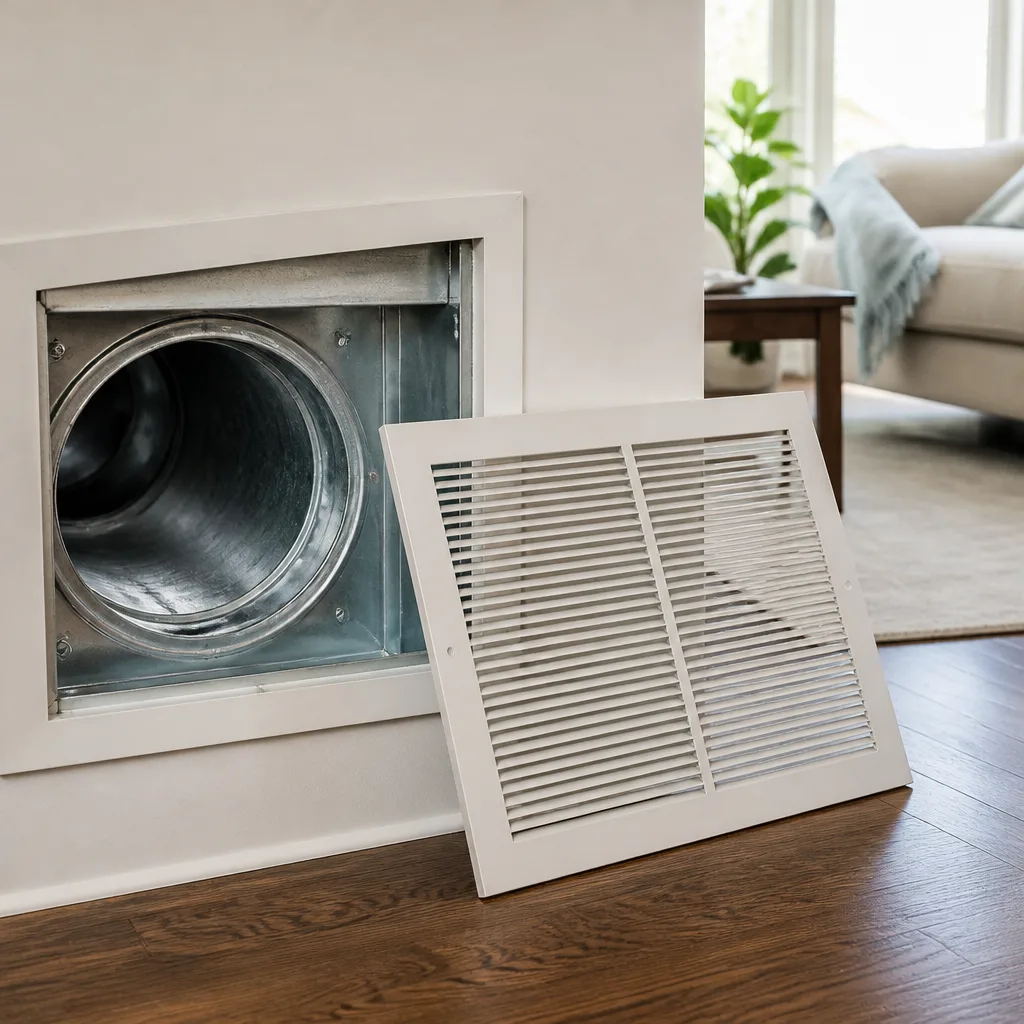 Sanitizing & deodorizing
Whole-system duct and dryer vent check with before-and-after photos - you see exactly what came out of your vents
That "$99 whole-house special" is a bait ad - the real number appears once they are in your hallway, or the "clean" is a shop-vac at the register. We photograph the inside of your ducts before and after instead.
Seasonal Air Duct Cleaning Care for Meridian: Year-Round Homeowner’s Guide
Most homeowners here clean their ducts once a year, usually in fall, and figure that covers it. It doesn’t. Meridian sits in a valley that hands your duct system four completely different loads of contamination across twelve months: spring pollen and agricultural dust from the surrounding farmland, summer wildfire smoke that pushes particulate levels sky-high, fall harvest chaff, and winter’s long closed-house stretch where nothing vents and everything settles. A single annual cleaning leaves nine months of that load sitting in your ducts. This guide walks through each season, what it does to your system, and the specific actions that actually protect your indoor air in Meridian.
Quick Answer
Air ducts in Meridian should be cleaned in spring, before pollen and agricultural dust peak, with an inspection in early summer ahead of wildfire season and judicious filter changes through fall and winter. A single annual cleaning timed to fall misses the two heaviest loading windows in the Treasure Valley and leaves accumulated contamination recirculating through four months of closed-house winter operation. Cleaning cadence should follow the seasonal load, not the calendar.
Key Takeaways
- Spring is the highest-priority cleaning window in Meridian, not fall.
- Wildfire smoke season requires pre-season duct inspection and filter management, plus a post-season check if your system ran hard during smoke events.
- Winter’s four-plus months of closed-house operation concentrate biological contaminants in ductwork; that’s when recirculation matters most.
- Not every seasonal trigger calls for a full cleaning. Sometimes inspection alone is right, sometimes it’s a filter upgrade.
- Professional equipment (Rotobrush contact-vacuum agitation, Nikro HEPA filtration, Abatement Technologies containment) captures and removes contamination rather than redistributing it.
Styles & brands we work with
- Whole-home duct cleaning
- Dryer vent cleaning
- Camera inspection
- Sanitizing & deodorizing
Table of Contents
- Why Meridian’s Seasonal Air Quality Is Different From Anywhere Else
- Spring: The Highest-Priority Cleaning Window in Meridian
- Summer Wildfire Smoke: Before and After Actions for Duct Integrity
- Fall Harvest Particulates: Managing Filter Grade and HVAC Strategy
- Winter Closed-House Operation: Biological Contaminant Concentration
- The Seasonal Decision Tree: Clean, Inspect, or Upgrade Filter?
- How to Adjust HVAC Runtime and Filter Strategy During High-AQI Days
- Duct Integrity: The Repair Question Most Cleaning Services Skip
Why Meridian’s Seasonal Air Quality Is Different From Anywhere Else
Meridian sits on the western edge of the Treasure Valley, surrounded by irrigated farmland on three sides and backed against the foothills to the northeast. That geography has consequences for indoor air. Prevailing winds push agricultural dust and pollen off the fields straight through the city through spring and early summer. Summer inversions trap wildfire smoke in the valley, and the concentrations climb fast. Fall brings harvest dust from surrounding farms. Winter brings a temperature inversion that holds whatever is in the air against the valley floor, plus the compounding factor of every home sealed up for months.
What that means for your duct system is that contamination doesn’t arrive on a single schedule. It arrives in waves. And each wave deposits a different type of material inside your ducts:
- Spring agricultural and pollen load: Fine, sticky organic particles that tend to adhere to duct walls and accumulate at elbows and turns.
- Summer smoke particulates: Ultrafine particles (PM2.5 and smaller) that can slip past standard filters and settle deep in the system during heavy smoke events.
- Fall harvest chaff: Larger, drier particulate that moves easily and can pit filter media fast.
- Winter biological concentration: Mold spores, dust mite debris, and pet dander that recirculate in a sealed house without any outside exchange.
Treating every load the same way means you’ll over-clean in some seasons and under-clean in others. The better approach is to understand each season’s contribution and act accordingly. This guide covers Meridian specifically, since the city’s position in the valley means its seasonal patterns look different from Boise’s or Nampa’s.
If you’re new to the area or you’ve recently bought a home here, start with a full inspection before you commit to any cleaning schedule. Duct Cleaning Meridian offers free estimates, and it’s worth knowing exactly what your system is carrying before you build a plan around it.
Spring: The Highest-Priority Cleaning Window in Meridian
Conventional advice says to clean ducts in fall, before heating season. In Meridian, spring is the more important window. Here’s why: by the time March arrives, your duct system has just spent four or five months in closed-house recirculation mode, and it’s had no external flushing. Then the agricultural dust and pollen season hits, typically starting in late March and running hard through May. If your ducts are already carrying a winter’s worth of settled contaminants when the spring load arrives, your filter will load faster, your system will run less efficiently, and the air moving through your house will carry both the accumulated winter debris and the incoming spring particulate.
Cleaning in spring does three things:
- Clears winter accumulation before it gets compounded. Ducts that get cleaned in March are carrying a fraction of the load by June compared to ducts that weren’t touched.
- Lets a fresh, clean filter do its job through peak pollen season. A clean duct system means the filter media is working only on incoming particle load, not on a swirl of settled material being re-entrained every time the fan turns on.
- Establishes your baseline before the summer smoke season. If your system is clean and inspected in spring, you’ll know whether any duct breaches, gasket failures, or filter housing leaks are letting unfiltered air in. That knowledge is worth more in July than in October.
In our experience working in neighborhoods like Paramount and Harris Ranch, homes built in the last decade often still have original flexible ductwork and original filter housings. Those components hold up well when they’re clean and are prone to collecting dust at their collar connections when they aren’t. A spring cleaning with Rotobrush contact-vacuum agitation and Nikro HEPA capture addresses the accumulated load in both rigid and flexible runs.
One point worth adding for allergy-sensitive households: pollen from the surrounding farmland isn’t just a seasonal nuisance. It recirculates through your HVAC every time the fan runs. A clean duct system, a properly-sized filter, and a filter change timed to the start of peak pollen (usually mid to late March) are the three most effective controls available. Cleaning ducts in April or May delivers the most benefit through June, July, and August.
Summer Wildfire Smoke: Before and After Actions for Duct Integrity
During Treasure Valley wildfire smoke events, PM2.5 concentrations in Meridian have exceeded 150 µg/m³, which is far above what most residential HVAC filters can handle in a sustained way. Every hour your system runs during a smoke event, it’s pulling outside air through the return and pushing ultrafine particles into the duct system. Some of those particles get caught by the filter. Some don’t. Over a season of smoke events, the ones that don’t accumulate inside your ducts.
What you do before and after smoke season matters more than what you do during it. Here’s a sequence that holds up in practice:
Before smoke season (usually May to early June in Meridian)
- Get a full inspection of the duct system. Identify any breaches, disconnected sections, unsealed joints, or filter housings that don’t seal properly. Smoke will find every one of those. If your system needs repair before smoke season, that repair is the priority.
- Upgrade filter grade temporarily. For smoke season, moving up to a filter with a higher MERV rating than your standard filter makes a measurable difference in what stays in the system versus what passes through. Check your HVAC manufacturer’s filter spec before doing this, since undersized systems can struggle with high-MERV media.
- Clean the ducts before the smoke arrives. Cleaned ducts start from a lower baseline. There’s less settled material to be re-entrained when the fan runs hard through a smoke event.
- Seal the house strategy. Windows closed, doors closed, and any exterior air intake minimized during high-AQI days.
After smoke season (usually September or October)
- Inspect the filters. If they’re loaded with visible smoke particulate, replace them. A loaded filter passes more through than a fresh one.
- Inspect the ducts again. If there were multiple smoke events and your system ran hours per day, there’s a case for a post-season cleaning. The Abatement Technologies source-capture equipment we use during cleaning contains loosened debris at the source, so living spaces stay protected while the extraction happens.
- Note which rooms saw the most smoke infiltration. Homes with poor return duct balance often see more smoke intrusion in specific rooms. That’s a duct design issue that can be corrected with proper sealing and balancing.
If your ducts have never been professionally cleaned and you’re heading into a smoke season in Meridian, the pre-season cleaning is worth more than the post-season one. The pre-season clean sets the baseline; the post-season clean deals with the load that came through. Both are valuable. Spring cleaning plus fall inspection is the more protective sequence.
Fall Harvest Particulates: Managing Filter Grade and HVAC Strategy
Fall in Meridian brings two things simultaneously: harvest dust from surrounding agricultural areas and the first cooling-cycle runs as temperatures drop. The combination means your HVAC is running more frequently just as the outdoor particulate load climbs. The result is a faster filter-loading curve than anywhere in the valley outside the immediate farmland fringe.
What actually works through fall:
- Time your filter change to harvest. In Meridian, the harvest particulate load peaks in late September and October. Change filters at the start of October, not at the start of heating season in November.
- Step filter grade back down post-harvest. If you went up a MERV rating for smoke season, you can typically return to your standard filter once smoke events are past and harvest dust is on the wane.
- Run the fan less if the outdoor air is poor. On heavy harvest dust days, continuous fan operation pushes more outdoor particulate into the system. Setting the fan to auto rather than on reduces the loading. This is a counterintuitive point, but running the fan less than you would on a clean day is the better strategy during harvest dust events.
- Inspect the outdoor air intake path. If your home has a fresh-air intake tied to the HVAC, its filter needs attention during fall. It’s one of the most overlooked filter locations in Meridian homes.
One additional fall consideration: the first cold snap in Meridian often triggers the first sustained heating-cycle run of the season. If your ducts were cleaned in spring, they should still be in reasonable shape by fall unless you had heavy smoke events through summer. That’s why the fall action is usually inspection plus filter change, not a full cleaning. Save the full cleaning for spring.
Winter Closed-House Operation: Biological Contaminant Concentration
From roughly November through March, Meridian homes run in what amounts to a sealed system. Windows stay shut, doors stay shut, and every bit of air circulating in your home is air that’s already been inside. That has an amplifying effect on biological contaminants. Dust mite debris, mold spores, pet dander, and the fine particulate that comes off wood stoves and fireplaces all circulate in a closed loop for four or more months.
What that does to ductwork:
- Biological particulates settle in low-velocity sections. The tops of horizontal trunk runs and the downstream side of elbows are where it accumulates most.
- Moisture from bathroom and kitchen exhaust can migrate into ducts if the system is unbalanced. If your return-air pressure is pulling humid air into unintended spaces, that’s a duct repair question worth addressing before winter.
- Filter loading accelerates through winter. With no fresh-air exchange and high particulate recirculation, filters load faster in winter than in any season outside smoke events.
The winter management strategy in Meridian has three parts:
- Clean in spring, not fall, so the ducts enter winter clean. Cleaned ducts spend the winter carrying only that season’s accumulated load, not a year’s worth stacked up.
- Change the filter mid-winter. A filter that was fresh in October is often loaded by January. Swap it, especially if you heat with wood or have pets.
- Address duct integrity before the house seals up. Any duct breaches or disconnected sections that let unconditioned air into the system are worth repairing in fall, before the closed-house season makes them a bigger problem.
Winter is when the case for cleaning ducts early pays its dividend. Ducts cleaned in spring have been through the smoke season and harvest, but their settled load by December is still far lower than ducts that went into spring dirty. That difference plays out over hundreds of hours of recirculated air.
The Seasonal Decision Tree: Clean, Inspect, or Upgrade Filter?
Not every seasonal trigger calls for a full cleaning. Some call for an inspection only. Some call for a filter change or grade adjustment. Getting this decision right saves you money and gets you better protection. Here’s a simple sequence to work through:
Step 1: Is the trigger seasonal load or a system event?
Seasonal load (spring pollen, fall harvest, winter accumulation) is normal and predictable. A system event is anything unexpected: a remodeling project in the house, a water leak into ductwork, a pest intrusion, visible mold in a supply register, or a house purchase where the prior service history is unknown. System events call for at least an inspection regardless of the season. Seasonal load is managed by the schedule below.
Step 2: When was the last full cleaning?
- Less than 12 months, no major events: Inspection only. Change filters as needed. Don’t schedule cleaning just because the season changed.
- 12 to 24 months, no major events: Full inspection with photo documentation. Cleaning if visible debris accumulates in the supply runs or returns.
- More than 24 months, or unknown service history: Full cleaning. Ducts that haven’t been touched in this long carry enough load that filters alone won’t manage it in a Meridian home.
Step 3: Is the filter grade right for the season?
Filter grade should shift with the load. A standard MERV rating works for baseline months. Smoke season and heavy harvest call for a higher grade. Deep winter with pets and wood heat calls for a fresh filter at whatever grade your HVAC manufacturer specifies. Filter grade is a seasonal variable, not a fixed choice.
Step 4: Are there signs the ducts need repair, not just cleaning?
Unexplained dust accumulating in specific rooms. Uneven airflow through the house. Whistling at registers. Visible gaps at the plenum or the return boot. These aren’t cleaning problems. They’re duct integrity problems. Cleaning alone doesn’t fix a disconnected section that’s pulling attic or crawlspace air into the system. Repair does.
Duct repair is one of the things we see most often overlooked in Meridian homes, and it’s a genuine gap in most cleaning services. Cleaning restores airflow through intact ducts. Repair restores the ducts themselves.
How to Adjust HVAC Runtime and Filter Strategy During High-AQI Days
Air Quality Index readings above 100 in Meridian are not unusual during wildfire events. Above 150, and the standard filter strategy starts to break down. The typical homeowner response is to run the fan on continuous, but that’s not always the right move. Here’s what actually helps during sustained high-AQI days:
HVAC runtime adjustments
- Switch the fan from “on” to “auto” on high-AQI days. Continuous fan operation circulates more air through a loaded filter and pushes more outside particulate into the system through the return. Auto operation limits exposure.
- Do not open windows for “fresh air.” This sounds obvious, but on high-AQI days, it’s the fastest way to overload your interior air. Closed-house operation is the right strategy.
- Run any kitchen and bath exhaust fans as needed, but close the door to the room when you do. Exhaust fans create negative pressure and can pull outside air in through gaps around the house envelope.
- Set the thermostat to run the system at low, sustained filtration rather than bursts. Long, low runtime with a high-MERV filter captures more particulate than short, high-flow cycles.
Filter strategy
- Upgrade filter grade for the duration of the smoke event. Verify your system’s maximum MERV rating first. Undersized systems can lose airflow with high-MERV media.
- Check the filter after every major smoke event. It doesn’t need to be visibly soiled to be loaded.
- Return to standard filter grade once AQI readings normalize. Continuous high-MERV filtration is not necessary on clean-air days and costs you efficiency.
One additional piece that gets missed: during multi-week smoke events, the particulate load that settles in the ducts is significant enough that a full professional cleaning after the smoke clears is worth considering. Nikro HEPA-rated vacuum equipment is what makes that cleaning meaningful, because it captures the ultrafine material at the filter rather than recirculating it. If your ducts haven’t been cleaned since before the smoke season and you ran the system hard, book the cleaning for after the season ends.
Duct Integrity: The Repair Question Most Cleaning Services Skip
Cleaning removes what’s in the ducts. It doesn’t fix what’s wrong with the ducts. In Meridian homes, both matter, because the seasonal load is real and so is the wear on the duct system itself. Flexible ductwork that’s been in a home for a decade or more often has failing collars, torn vapor barriers, or disconnected sections hidden above ceilings and behind walls. Rigid sheet-metal ducts can separate at the seams or pull away from the plenum. Filter housings can allow unfiltered air past their gaskets.
What that means season to season:
- Spring cleaning without repair means the clean ducts start collecting dust from wherever the system is pulling unfiltered air. The cleaning buys less protection than it should.
- Smoke season without repair means every smoke event drives ultrafine particulate into the system through those same gaps. Filter upgrades only capture what actually passes through the filter.
- Winter without repair means attic or crawlspace air (which can be humid, cold, and carrying its own contaminants) is being pulled into the house through the same breaches.
The reason this matters more in Meridian than in many other places is that the seasonal loads here are heavy enough that any weak point in the system gets exercised hard. What starts as a small leak at a collar in spring is pulling meaningful particulate load into the system by smoke season and again through harvest. Repairing the system before the load arrives is more effective than cleaning it repeatedly after.
This is why we clean, repair, and clear dryer vents as three related services rather than as separate offerings. The seasonal care for a Meridian home runs through all three. Ductwork that’s clean but leaking doesn’t deliver the protection a homeowner expects. Ductwork that’s tight but dirty is a filter problem, not a duct problem. Getting both right is what makes seasonal duct care actually work.
If you want a clear read on where your system stands before the next seasonal load arrives, air duct cleaning paired with a full inspection is the place to start. We can document what we find and let you decide what to act on.
Common Mistakes to Avoid
- Following the fall cleaning convention. The standard advice to clean in fall comes from regions where heating is the dominant cycle. In Meridian, spring is the higher-priority window because pollen and agricultural dust peak first.
- Running the fan on continuous through smoke season. Continuous fan operation during high-AQI events pushes more outside particulate into the system through the return, not less. Auto is the better setting.
- Skipping the filter change between seasons. A filter that’s been through smoke season or harvest is loaded even if it looks clean. Seasonal filter changes are the single easiest protection in Meridian.
- Cleaning but not inspecting for duct integrity. Cleaning a system with a disconnected section is paying for work that will be undone by the next seasonal load. Inspection and repair need to happen alongside cleaning.
- Upgrading filter grade without checking the HVAC spec. Not every system can handle high-MERV media. Too much restriction can damage the blower or cause icing. Check the manufacturer’s spec before upgrading.
- Assuming a house that’s new to you has clean ducts. Prior service history is unknown in most Meridian home purchases, and the spring load doesn’t wait for you to check. Book an inspection early.
- Ignoring biological contamination through winter. The closed-house season concentrates mold spores and dust mite debris in recirculating ductwork. Spring cleaning is the fix, not fall cleaning, because it happens before the concentration is severe.
See the difference
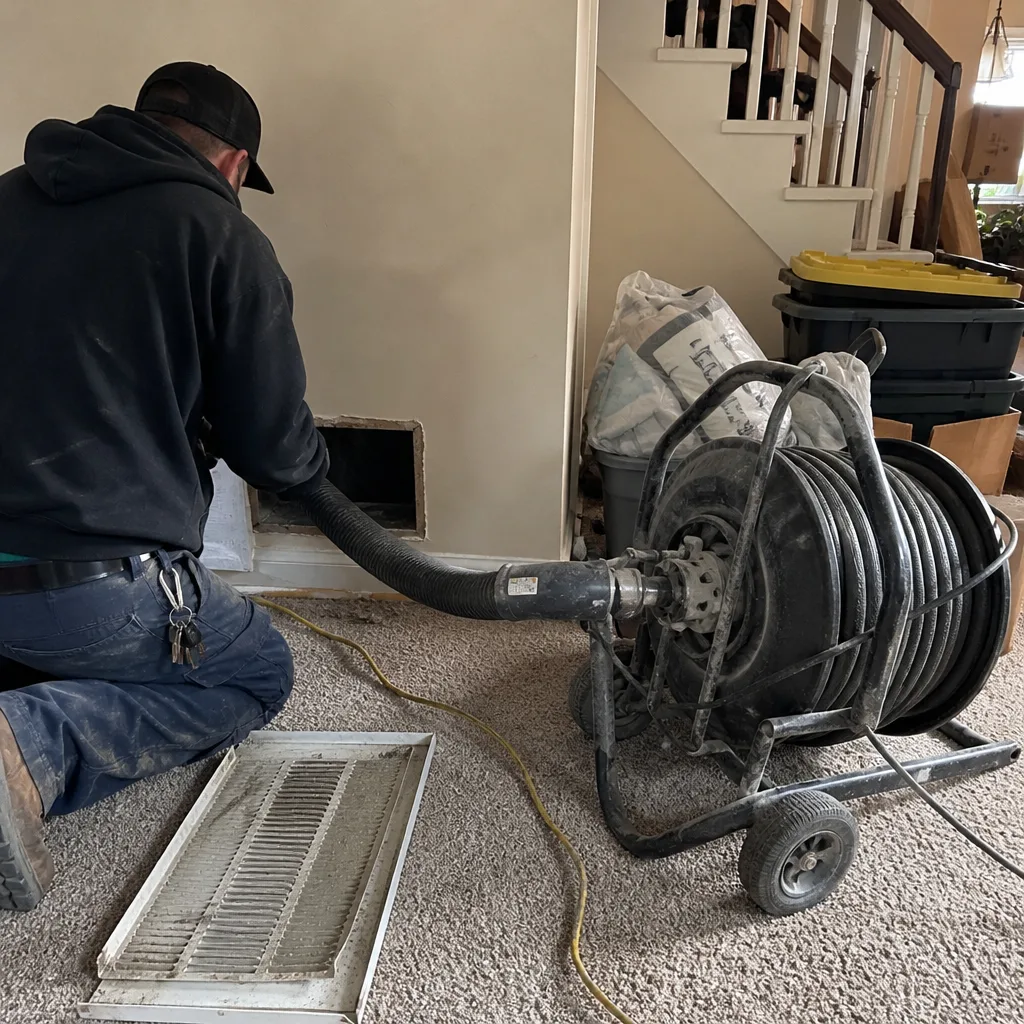 Before
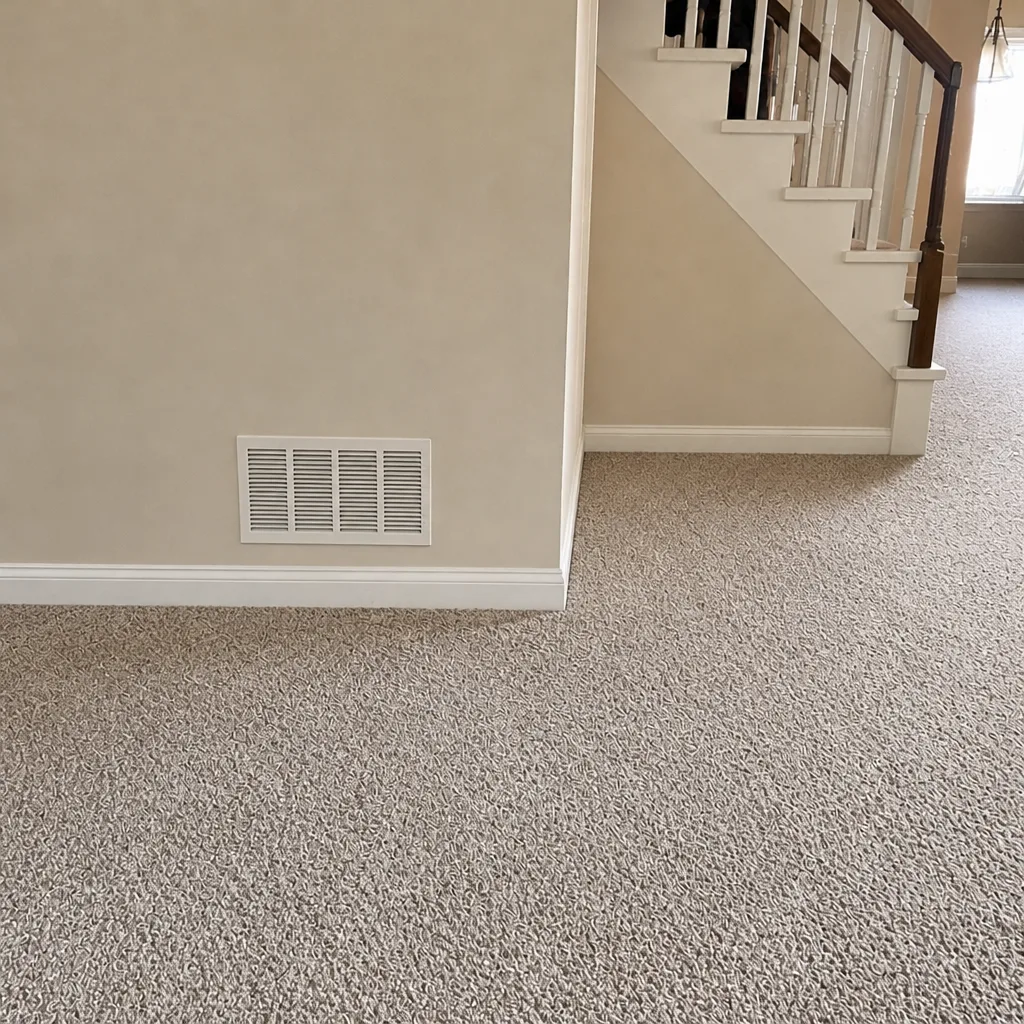 After
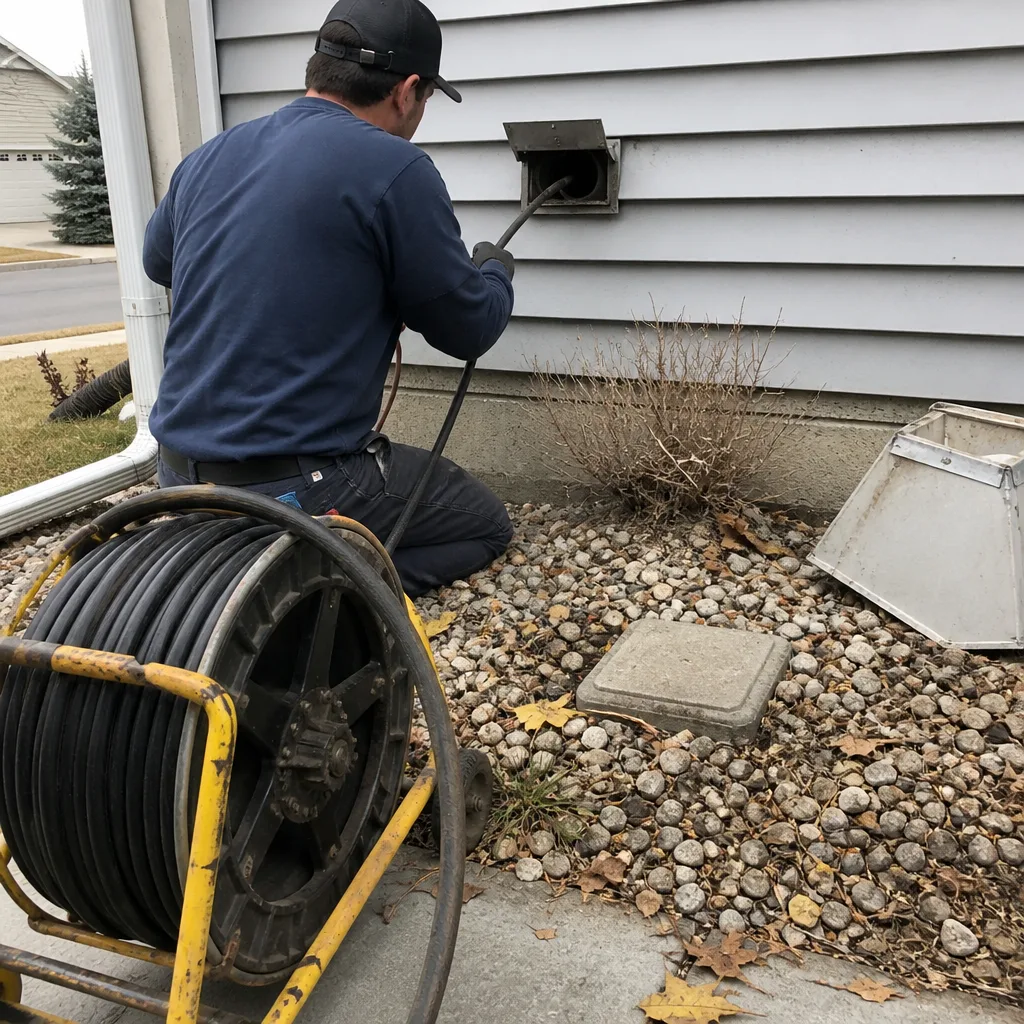 Before
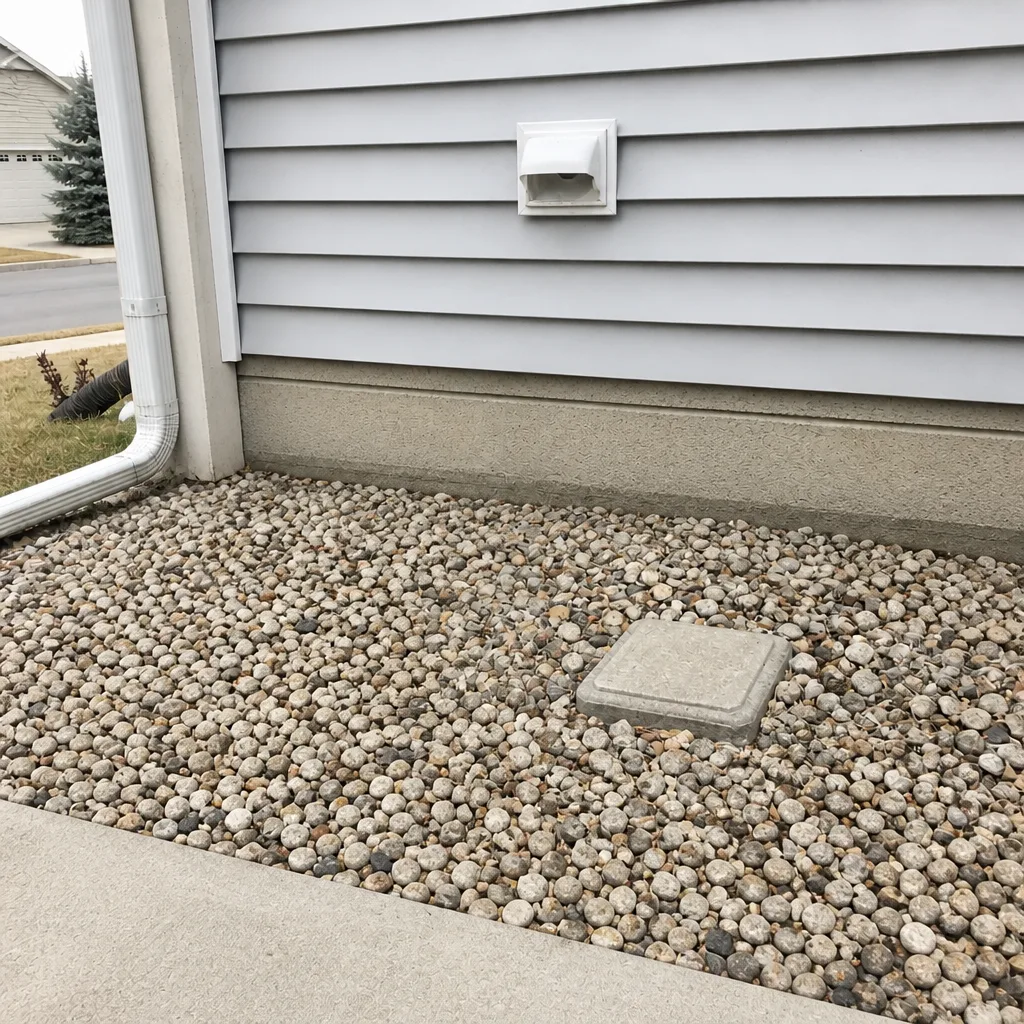 After
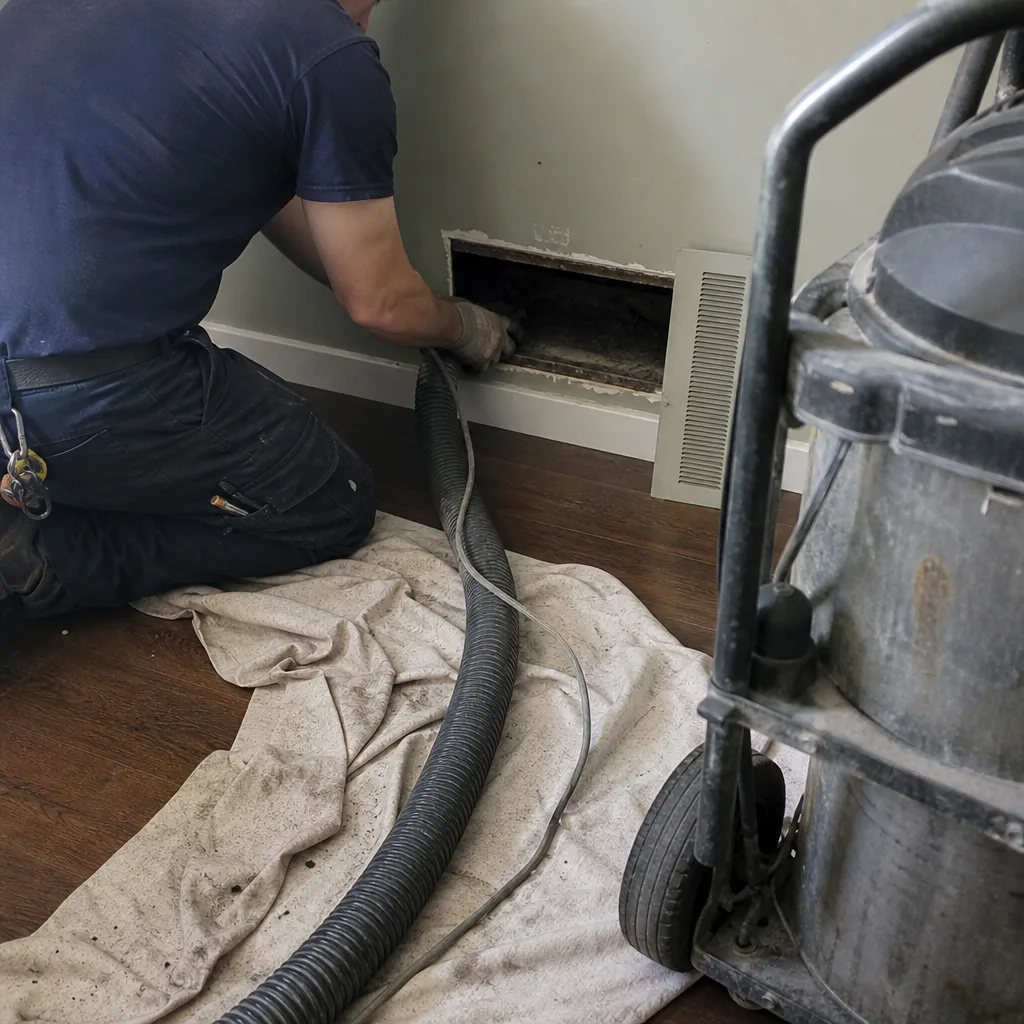 Before
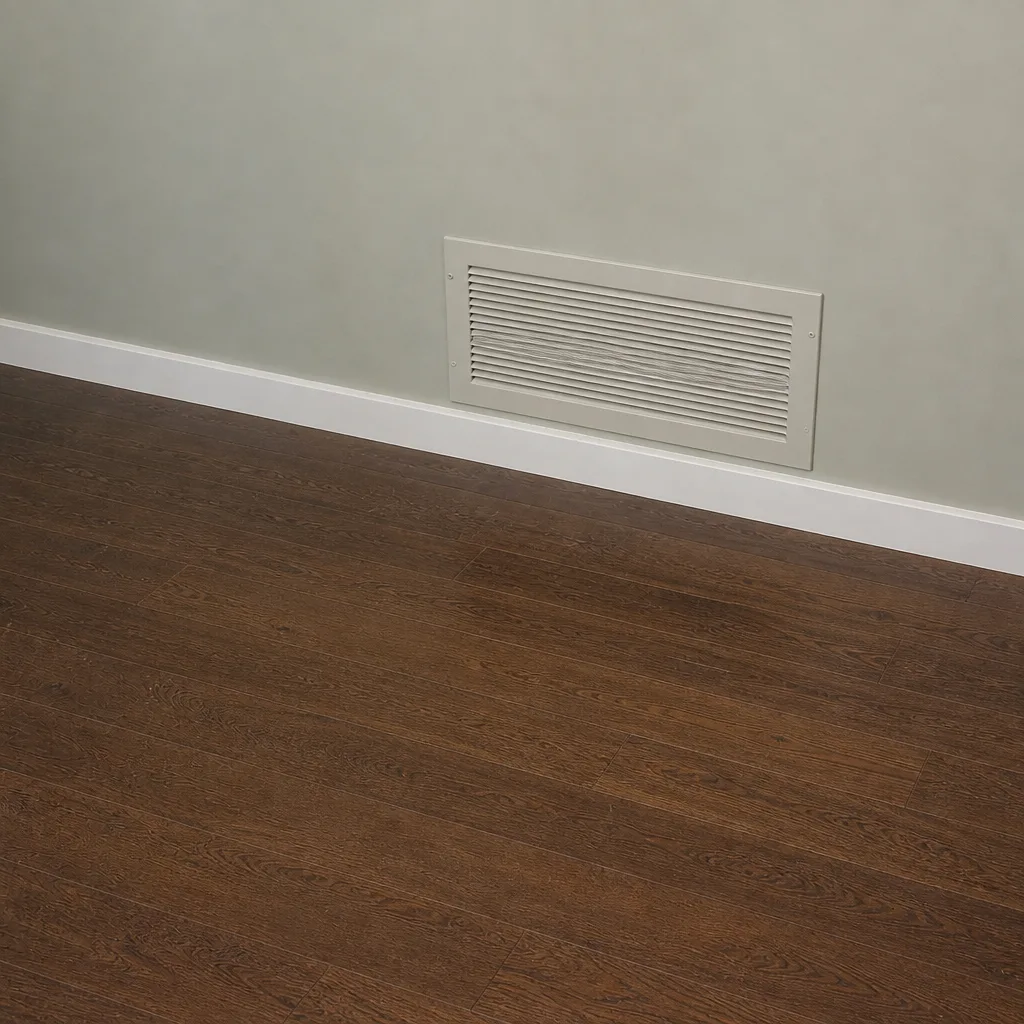 After
When to Call a Professional
Call a professional when any of these apply: you’ve bought a home in Meridian and the duct service history is unknown; you’re heading into spring pollen season and haven’t had a cleaning in 24 months or more; your system ran hard through a smoke season and you’re noticing more dust accumulating in specific rooms; you see visible debris at registers, mold in supply vents, or evidence of pest intrusion; you hear whistling or notice uneven airflow between rooms; your ducts show signs of separation, torn insulation, or disconnected sections. We answer 24/7. Fast dispatch from 7am to 7pm, Sunday through Friday. Call (866) 389-4992 for a free estimate.
Frequently Asked Questions
Air ducts in Meridian should be cleaned no less than every 24 months, with a spring cleaning preferred over fall. If you have pets, allergy sufferers in the house, recent remodeling, or unusual smoke exposure, every 12 to 18 months is more appropriate. Filter changes should happen 3 to 4 times per year, with additional changes tied to smoke events and harvest. The cleaning schedule is the base; the filter schedule is what actually protects the air between cleanings.
Yes, spring is the higher-priority cleaning window in Meridian because the spring pollen and agricultural dust load arrives before the summer smoke season. Cleaning in spring means your system enters both the smoke season and the closed-house winter season from a lower contamination baseline. Fall cleaning is not useless, but it misses the two heaviest loading windows of the year.
After a smoke season with multiple high-AQI events, inspect your filters and change them if they’re loaded. If your ducts hadn’t been cleaned before the season and your system ran heavily through the smoke events, schedule a professional cleaning afterward with HEPA-grade vacuum capture. If your ducts were cleaned in spring, a fall inspection with photo documentation is often enough. Call (866) 389-4992 for a free estimate on either path.
Yes. A high-grade filter captures a portion of airborne particulate but doesn’t remove what’s already settled inside the duct system. Filters help between cleanings, not instead of them. Over time, ducts that haven’t been cleaned accumulate enough settled material that re-entrainment through the fan cycles keeps loading the filter faster than it would on clean ducts. Filter upgrades and duct cleaning work together, not as substitutes.
Meridian’s winter closed-house season (roughly November through March) concentrates biological particulates in ductwork because there’s no fresh-air exchange. Mold spores, dust mite debris, and pet dander recirculate for months. This is why spring cleaning is the priority in Meridian: it clears the winter accumulation before it stacks on top of the spring pollen load. Cleaning after winter also means your ducts enter the smoke season from a cleaner starting point.
We repair ducts as well as clean them. Cleaning restores airflow through intact ductwork, but it doesn’t fix disconnected sections, failed collars, or detached plenums. Those are duct integrity problems that require repair before or alongside cleaning. If a full inspection turns up breaches, we can repair them and then clean to a system that’s actually tight. That combination is what makes seasonal duct care work in a Meridian home.
The Bottom Line
Meridian’s duct systems face four distinct seasonal loads, and no single-annual-cleaning schedule manages all four. Spring is the highest-priority cleaning window because it clears winter accumulation before pollen and agricultural dust arrive. Summer requires pre-season inspection, filter grade adjustment, and thoughtful HVAC runtime management through smoke events. Fall calls for filter changes timed to harvest dust and a post-smoke-season inspection. Winter concentrates biological contaminants in closed-house recirculation, which is why spring cleaning has to happen. If you take one thing from this guide, take this: your cleaning schedule should follow the seasonal load in this specific valley, not the calendar on a manufacturer’s reminder card. Add a proper inspection to your spring plan, and the work gets easier every year after.
Duct cleaning, duct repair, and dryer vent cleaning are the three services we handle as a single connected offering in Meridian, because the seasonal care for a home runs through all three. Whether you’re ready to schedule a spring cleaning or you just want to know what your ducts are carrying, we’re glad to take a look. Call (866) 389-4992 for a free estimate. We answer 24/7. Fast dispatch from 7am to 7pm, Sunday through Friday.
Written by the team at Duct Cleaning Meridian.