
Last updated November 14, 2026
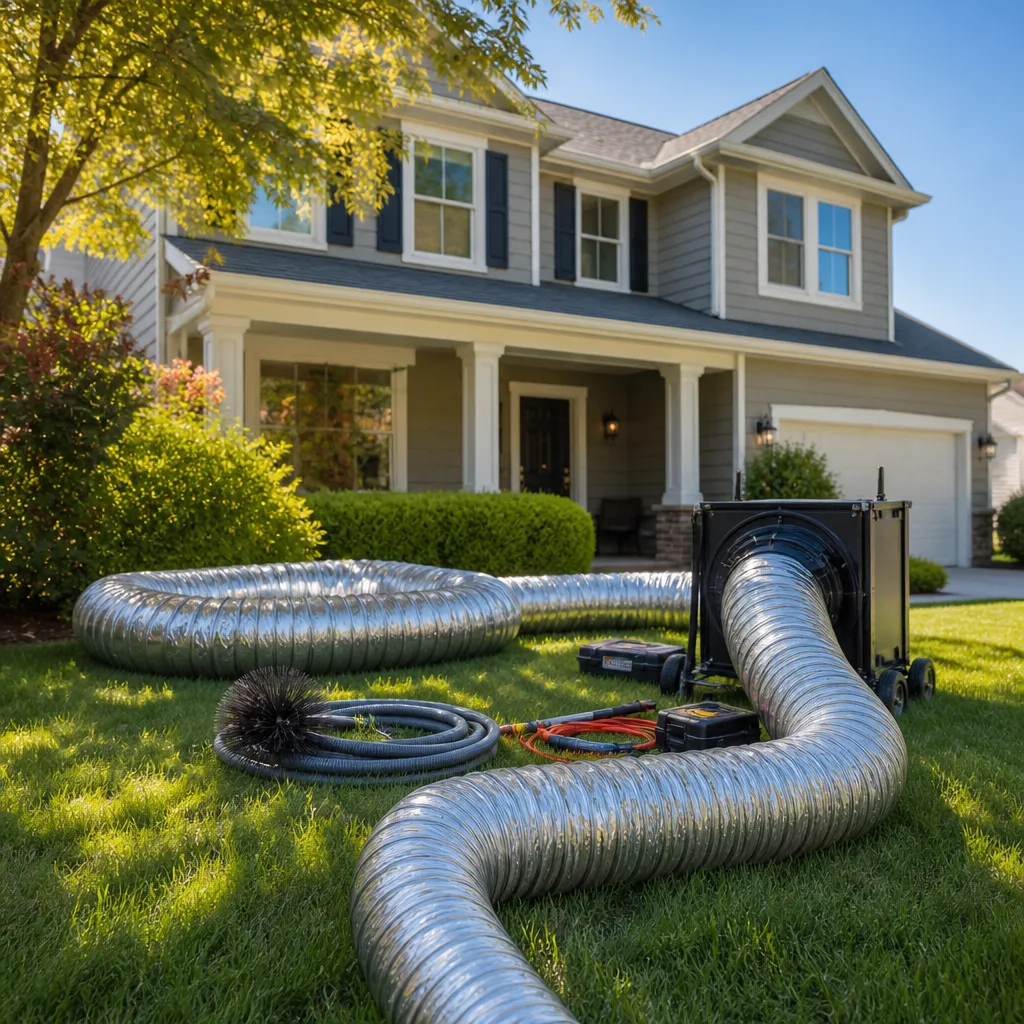 Whole-home duct cleaning
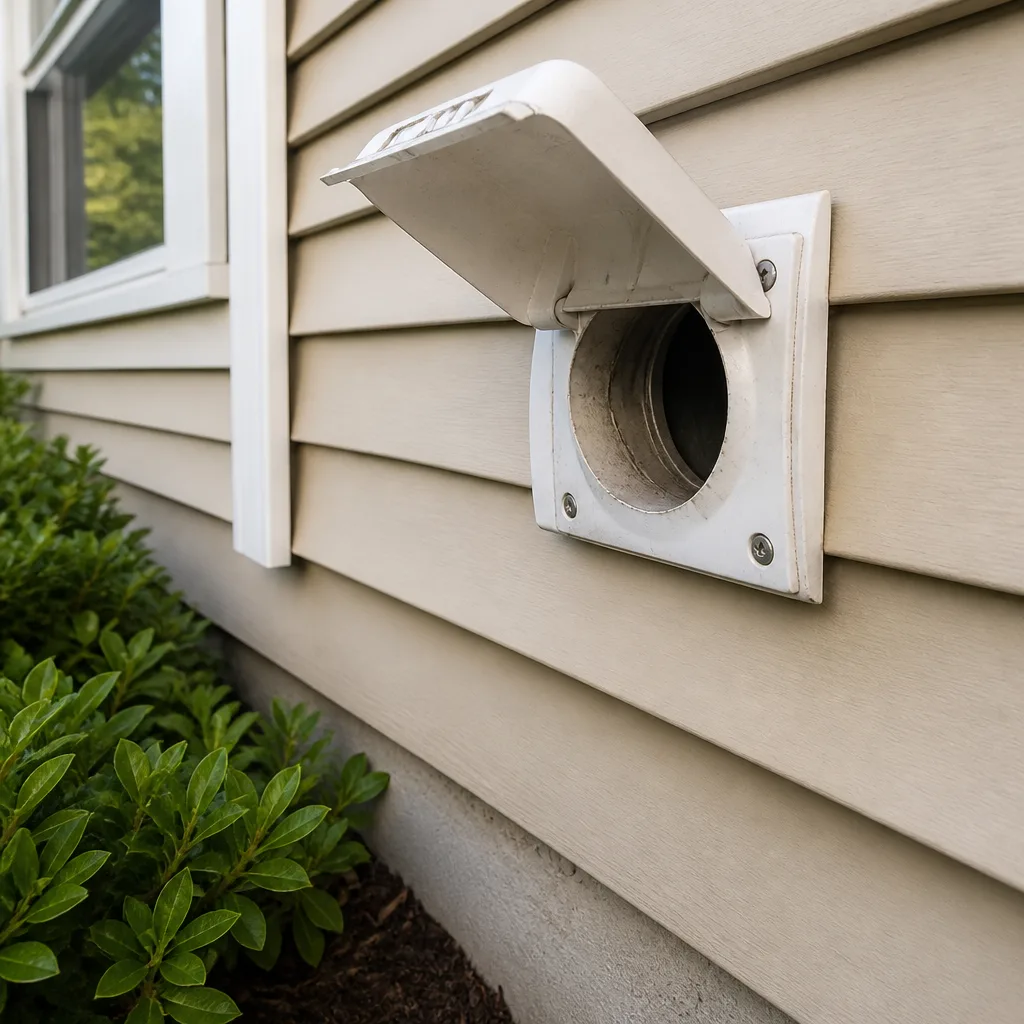 Dryer vent cleaning
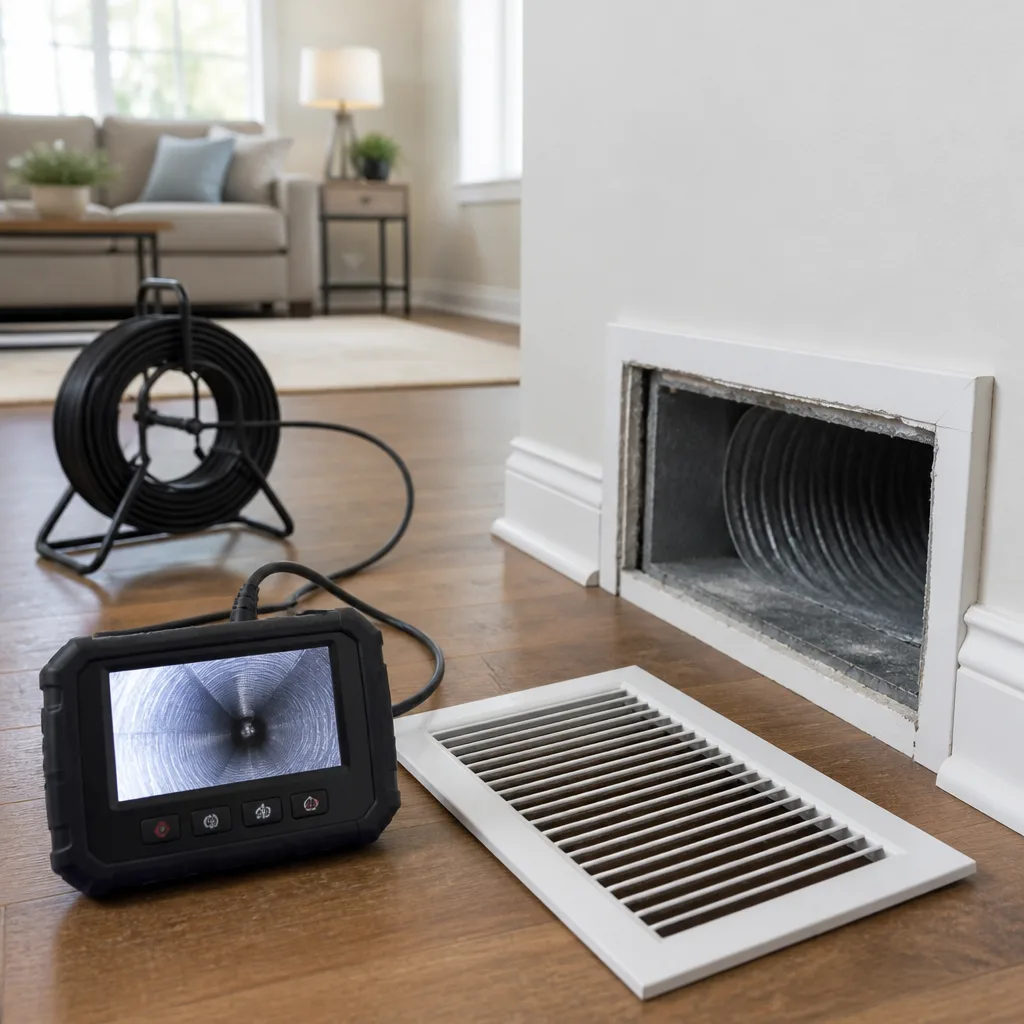 Camera inspection
 Sanitizing & deodorizing
Whole-system duct and dryer vent check with before-and-after photos - you see exactly what came out of your vents
That "$99 whole-house special" is a bait ad - the real number appears once they are in your hallway, or the "clean" is a shop-vac at the register. We photograph the inside of your ducts before and after instead.
DIY vs Professional Air Duct Cleaning: The Meridian Homeowner’s Decision Guide
Most homeowners assume a shop vacuum is a smaller version of the machine the pros use. It isn’t. It’s a different tool with a different job, and inside a duct system those differences decide the outcome. This guide breaks down the equipment gap honestly, explains which cleaning tasks a careful homeowner can actually handle, and shows what professional air duct cleaning in Meridian really pays for. If you’ve been quoted a number and you’re wondering whether to rent a vacuum and do it yourself, this is written for you. We’ll stay specific and skip the scare tactics. By the end you’ll know exactly when DIY helps and when it can’t reach the problem.
Quick Answer
A consumer shop vacuum moves roughly 80 to 120 cubic feet per minute of air; a truck-mounted professional system moves 4,000 to 16,000 CFM. That gap decides everything. DIY cleaning can knock down surface dust and keep vents clear, but it can’t generate the airflow or the containment needed to extract contamination that’s bonded to duct walls or buried in the system. For light upkeep, DIY is reasonable. For a system that hasn’t been serviced in years, or one with pets, allergy sufferers, or recent renovation dust, professional cleaning using contact agitation and HEPA filtration is the only process that reaches the full duct run without redistributing what it loosens.
Styles & brands we work with
- Whole-home duct cleaning
- Dryer vent cleaning
- Camera inspection
- Sanitizing & deodorizing
Table of Contents
- The Equipment Gap: What Consumer Tools Can and Can’t Do
- What a Motivated DIYer Can Legitimately Handle
- What Requires Professional Access and Equipment
- DIY Risks: Mold, Flex Duct, and Warranty Concerns
- When DIY Actually Extends the Time Between Pro Cleanings
- The Cost-Benefit Math, Amortized
- Common Mistakes to Avoid
- When to Call a Professional
The Equipment Gap: What Consumer Tools Can and Can’t Do
The number that matters is airflow, measured in cubic feet per minute. A consumer shop vacuum generates somewhere in the range of 80 to 120 CFM of suction at the hose, and much of that collapses the moment you add a long run of flex hose or fight a closed damper. A professional system generates 4,000 to 16,000 CFM. That’s not a difference of degree. It’s the difference between agitating loose dust on the surface of a duct and actually pulling debris free from the wall of a duct and moving it all the way out of the system.
There’s a second piece most homeowners never see: contact agitation. High airflow alone doesn’t remove bonded contamination. Professionals run a rotating brush or air whip through each branch line while the vacuum is pulling, so the material is broken loose and captured in the same pass. The tools are built for this. Rotobrush contact-vacuum systems are the industry standard for exactly that combination of agitation and extraction. Nikro HEPA-rated vacuum equipment captures the particulates that come off those walls so they aren’t recirculated into the room you’re standing in.
What a Shop Vac Actually Achieves
- Loose surface dust near the register boot and the first length of visible duct
- Hair and pet fur that has collected at the grille and the return opening
- Light debris you can reach within the first few feet of the run
That’s a real list. Those aren’t nothing. But it stops short of the duct run itself, and that’s where the bulk of accumulated material sits.
What a Truck-Mounted System Achieves
- Full-length extraction down every branch line, not just the entry point
- Contact agitation that frees contamination bonded to duct wall surfaces
- Containment so dislodged debris doesn’t drift into living spaces during the work
- HEPA-filtered capture of what comes out, including fine particulates
The containment piece deserves its own note. Abatement Technologies source-capture equipment is set up on-site to hold dislodged debris inside the work zone while the cleaning runs. Budget services often skip this step entirely, which is part of why the gap in outcome is bigger than the gap in price suggests. In older Meridian homes where duct runs are longer and less accessible, that containment step makes the difference between a clean system and a covered living room.
What a Motivated DIYer Can Legitimately Handle
We’d rather tell you the honest answer than pretend DIY never works. It does, for a specific and narrow set of tasks. If your system is relatively clean, well-maintained, and you’re mainly trying to keep it that way, the following list is fair game for a careful homeowner.
- Remove and wash the register grilles. Pop them off, wash them in the sink with mild soap, dry them fully, and reinstall. This alone improves airflow and reduces visible dust settling.
- Vacuum the first visible length of duct at each register using a shop vacuum with a brush attachment. Stay within reach, don’t force the hose around bends, and stop if you feel resistance.
- Replace the HVAC filter on schedule. This is the single highest-value thing you can do between cleanings. A clogged filter chokes airflow and forces the system to move dirtier air through the same ducts.
- Keep return grilles and registers clear of furniture, rugs, and pet beds. Blocked returns starve the system and cause dust to settle in the ducts instead of moving through.
- Vacuum the home regularly with a HEPA-equipped vacuum. Less dust in the air means less dust settling into the system.
- Check the dryer vent exterior flap for lint buildup and confirm the flap opens and closes freely when the dryer runs. (Cleaning the full vent line is a separate job, and we’ll get to that.)
What you’re doing with this list is slowing accumulation. You’re not removing what’s already bonded to the walls of a duct run you can’t reach. That’s the ceiling, and it’s worth being clear-eyed about it. For a Meridian homeowner with a newer home and a well-maintained system, this routine may be all you need for several years.
What Requires Professional Access and Equipment
Inside a residential duct system there are places no consumer tool can reach and no homeowner can safely work. Understanding where the line sits helps you decide what you’re paying for.
The Tasks That Need Pro Equipment
- Cleaning past the first bend. Duct runs twist through walls, ceilings, and crawl spaces. A brush-head vacuum can’t navigate those paths.
- Agitating and extracting bonded contamination from the full length of every branch line.
- Containing dislodged debris using source-capture equipment so the living space stays protected during the work.
- Cleaning the main trunk line and plenum, which sit behind panels and in spaces most homeowners can’t access at all.
- Diagnosing duct problems. Loose joints, disconnected sections, crushed flex runs, and degraded ductwork often only become visible during a professional cleaning. Minor issues that looked like nothing on a visual inspection turn out to be real leaks once the system is opened up.
- Dryer vent cleaning. This one is its own category and worth treating as fire-safety work, not a dust job. Lint accumulation in the vent line is a documented fire hazard, and NFPA data on lint buildup backs that up. A full vent line clean uses tools that reach the entire run – far past what a shop vacuum and a flexible brush can do.
This is also where repair comes in. Cleaning alone can’t fix a duct that’s come apart at a joint or a section of flex that’s been crushed by a sagging joist. A service that offers air duct repair as a distinct line can identify those problems during the same visit and fix them, rather than leaving you with a clean system that still leaks. That’s why we clean it, we repair it, and we clear the dryer vent – three related jobs that often turn up in the same house.
If you want to see how a full professional clean is structured from start to finish, our air duct cleaning page walks through the process step by step.
DIY Risks: Mold, Flex Duct, and Warranty Concerns
The risks of DIY duct cleaning aren’t exaggerated – they’re just not talked about honestly. Three matter most in our experience working on Meridian homes.
1. Disturbing Contamination Without Containment
If there’s mold growth inside a duct – and it does happen, especially in humidifiers, in systems with condensation issues, or after water damage – running a shop vacuum through it can aerosolize spores and distribute them through the home instead of removing them. Professional cleaning captures what’s dislodged using HEPA filtration and source-capture containment. DIY sends some of it back into your air. This is the single biggest reason we don’t recommend DIY cleaning in a system that might have biological growth. (Note: mold remediation is a separate specialty we don’t offer. Duct cleaning that includes containment is the right starting point if you suspect a problem.)
2. Damaging Insulated Flex Duct
Insulated flex duct is common in residential construction and surprisingly easy to damage. A brush attachment pushed too hard around a bend can tear the inner liner, and once that liner is compromised the duct becomes a leak. Ducts that leak pull dust and attic air into the system instead of delivering conditioned air. What looked like a simple cleaning job becomes a duct repair job.
3. Voiding HVAC Warranty Terms
Many HVAC manufacturers specify professional duct cleaning and maintenance in their warranty terms. Improvised cleaning that damages a component can give the manufacturer grounds to deny a claim. Before you DIY, check your system’s warranty documentation. The cost of one denied repair often exceeds several years of professional cleaning.
The safety point matters most: never attempt to work inside an air handler, near electrical components, or anywhere you’d need to open a sealed panel to reach. Those are jobs for trained technicians, and the risk of electrical shock or damage to the system is real.
When DIY Actually Extends the Time Between Pro Cleanings
Here’s the part most guides skip: DIY upkeep done well genuinely does stretch the interval between professional cleanings. The mechanism is simple. Dust that never enters the system doesn’t have to be removed from it. The tasks below are the ones that buy you time, in our experience.
- Replace filters on the manufacturer’s schedule, not when they look dirty. A filter that’s running past its rated life lets more particulate through to the ducts.
- Wash register grilles every few months. Cheap, quick, real impact on visible dust.
- Keep returns unobstructed so the system moves air the way it was designed to. Blocked returns cause dust to settle.
- Run a HEPA vacuum in the home regularly. Background dust is what eventually becomes duct dust.
- Address moisture. In Meridian’s dry summers and cold winters, indoor humidity swings matter. A bath fan that vents properly and a dehumidifier during humid stretches keeps duct surfaces dry and less hospitable to growth.
- Watch for warning signs. Musty odors at registers, visible dust streaking from a vent, or a recent renovation are all signals it’s time for professional cleaning, not more DIY upkeep.
This routine doesn’t replace professional cleaning. It buys you time between visits, and if you’re diligent, it can push a 3-year interval closer to 5. That’s real money saved, honestly earned.
For the dryer vent, DIY maintenance means checking the exterior flap and keeping the lint trap clear after every load. Full-line cleaning still needs professional equipment, and you can read more on our dryer vent cleaning page if you want to see what that involves.
The Cost-Benefit Math, Amortized
The math is worth doing honestly, without inflated promises on either side. Professional duct cleaning in Meridian is priced per job by written estimate – the ranges vary with home size, number of registers, system layout, and whether the job includes repair or dryer vent cleaning. Rather than quote a number that doesn’t fit your home, here’s how to think about the annual cost.
Professional Cleaning, Amortized
- Typical interval: every 3 to 5 years for a well-maintained home
- What drives the price: square footage, number of branch lines and registers, system layout, and whether the visit includes duct repair or dryer vent cleaning
- Per-year cost of the cleaning itself: modest when spread across a multi-year interval
- What’s included in the price: agitation and extraction of the full system, containment during the work, and before-and-after photos of your own ducts
DIY Upkeep, Amortized
- Filters: replaced several times a year
- Shop vacuum and brush attachments: a one-time purchase, reused across years
- Time: several hours per upkeep cycle, plus the ongoing routine of filter changes and grille washing
- The gap: whatever the DIY routine can’t reach stays in the system until professional cleaning
Laid side by side, DIY looks cheap up front. But the math changes once you account for what DIY can’t reach, and for the repair costs that follow a damaged flex duct. The amortized annual cost of professional cleaning spread over a 3- to 5-year interval is one part of the household maintenance budget – roughly the same order as an annual HVAC tune-up. When you add the containment step, the before-and-after photo documentation, and the repair diagnosis that comes with a professional visit, the cost-per-year comparison is closer than the headline prices suggest.
The honest framing is this: if your system is new, well-maintained, and you’re not chasing a specific symptom, DIY upkeep for a few years is perfectly reasonable. If your system has never been professionally cleaned, has pets in the home, has allergy sufferers, or just finished a renovation, the gap between DIY and professional becomes the whole show. To see how our Duct Cleaning Meridian service handles the full-system version, including the containment step, the link is here. For the broader picture of what indoor air quality looks like in the Treasure Valley, our city page on Meridian has the local context.
Common Mistakes to Avoid
- Assuming more suction is the answer. A stronger consumer vacuum still can’t reach past the first bend of a duct run. More suction doesn’t overcome a duct run you can’t physically reach.
- Not checking the HVAC warranty before DIY. Many manufacturers specify professional cleaning in the warranty terms. One claim denial is more expensive than a professional clean.
- Going hard with a brush attachment around bends. Insulated flex duct tears more easily than most homeowners expect, and a torn liner means a leak that pulls attic air into your home.
- Ignoring a musty smell at the registers. A musty odor usually means moisture or biological growth, and it’s a signal to book professional cleaning rather than to try harder with a shop vacuum. DIY in that situation can spread the problem.
- Treating the dryer vent as a low-priority chore. Lint accumulation in the vent line is a documented fire hazard. Full vent line cleaning needs professional equipment – the annual lint trap routine isn’t the same job.
- Buying a budget quote that skips containment. The price difference usually comes from steps that get dropped, and containment is often the first. Ask whether source-capture equipment will be used on-site.
- Assuming a clean system means healthy ductwork. Ductwork can have disconnected joints, crushed sections, or degraded flex even after a fresh cleaning. If your system hasn’t been inspected in years, a cleaning visit that includes a repair diagnosis catches those problems.
When to Call a Professional
Book professional cleaning when any of the following is true: the system has never been cleaned and the home is more than a few years old; there are pets in the house, or family members with allergies or asthma; a renovation just wrapped up and drywall dust is still settling; musty odors are coming from the registers; or a home inspection flagged visible duct problems. Same list applies if you’ve tried DIY upkeep and the symptoms haven’t improved – that’s usually a sign that what’s in the ducts is past the reach of consumer tools. Also call if the dryer is taking longer to dry clothes than it used to; slow drying is often the first sign of a vent line restriction. For a system that’s showing visible dust streaking, disconnected sections, or crush damage, duct repair is the right call rather than cleaning alone. Duct Cleaning Meridian offers free estimates in Meridian – call (866) 389-4992. We answer 24/7. Fast dispatch from 7am to 7pm, Sunday through Friday.
One note on scheduling: we’re closed on Saturday. If you call outside dispatch hours, the call is booked into the next opening, Sunday through Friday, 7am to 7pm. One flat price per system is agreed before work starts, and you get before-and-after photos of your own ducts so you can see exactly what came out.
See the difference
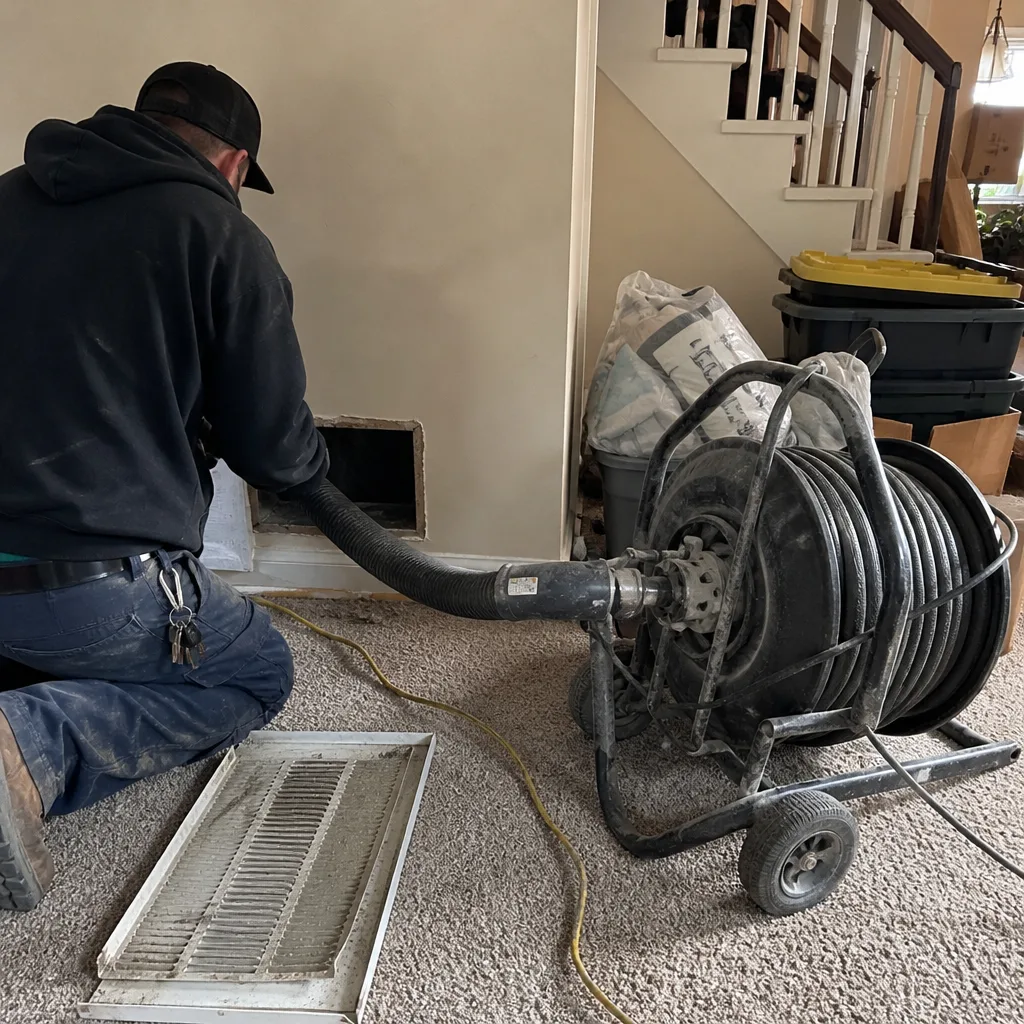 Before
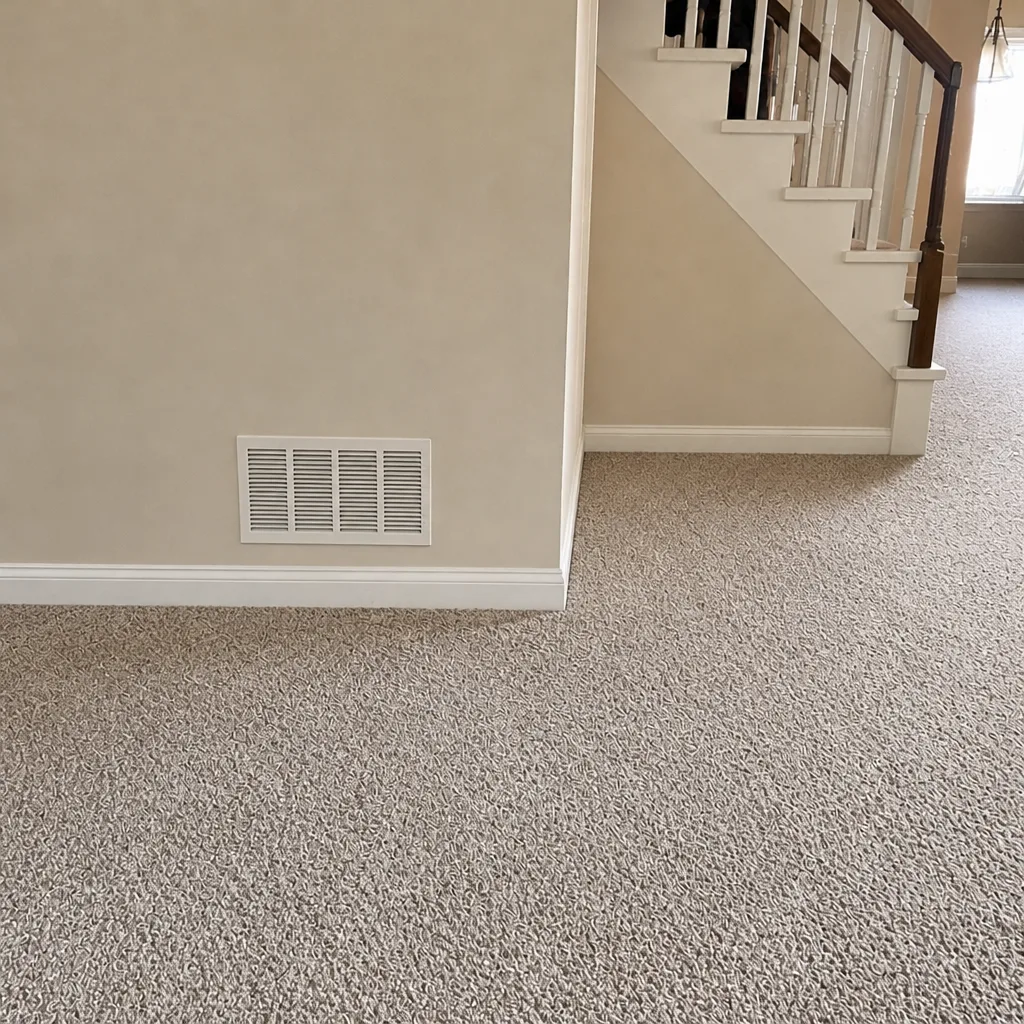 After
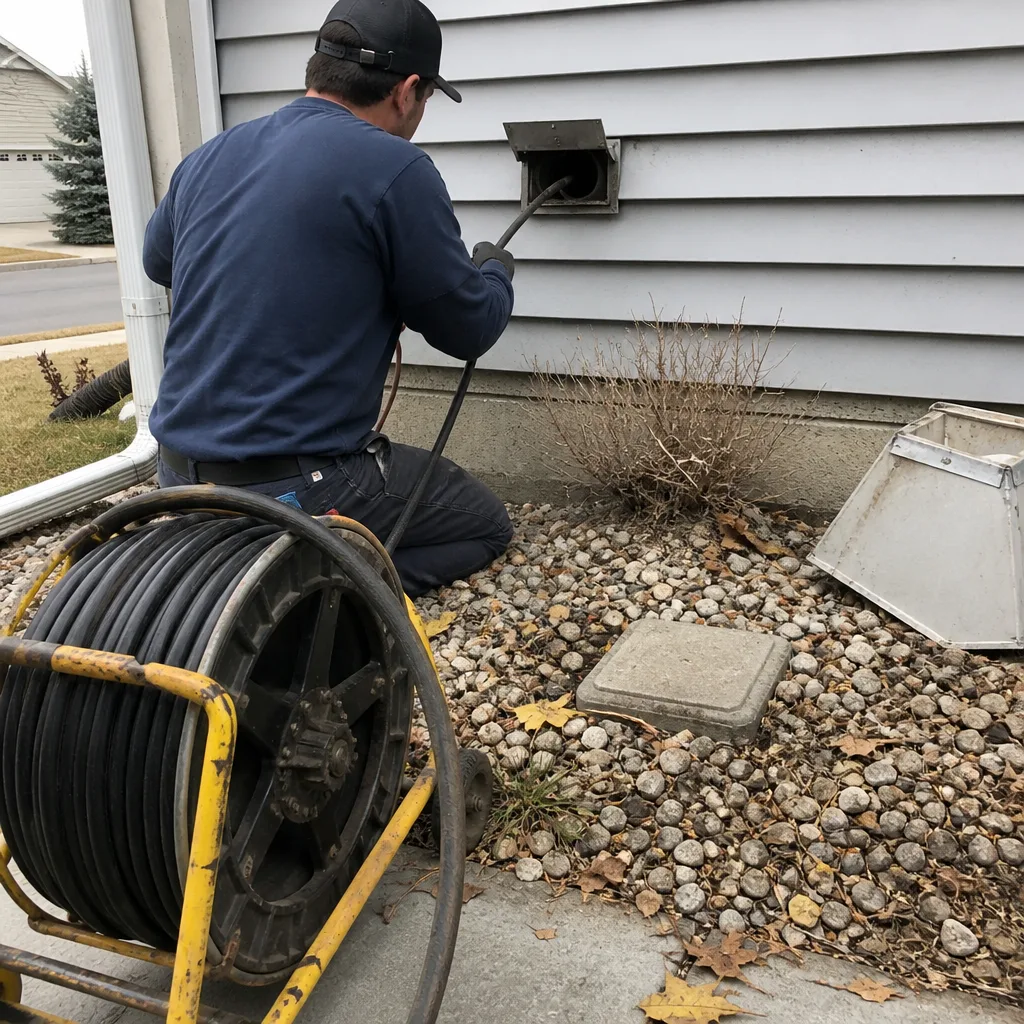 Before
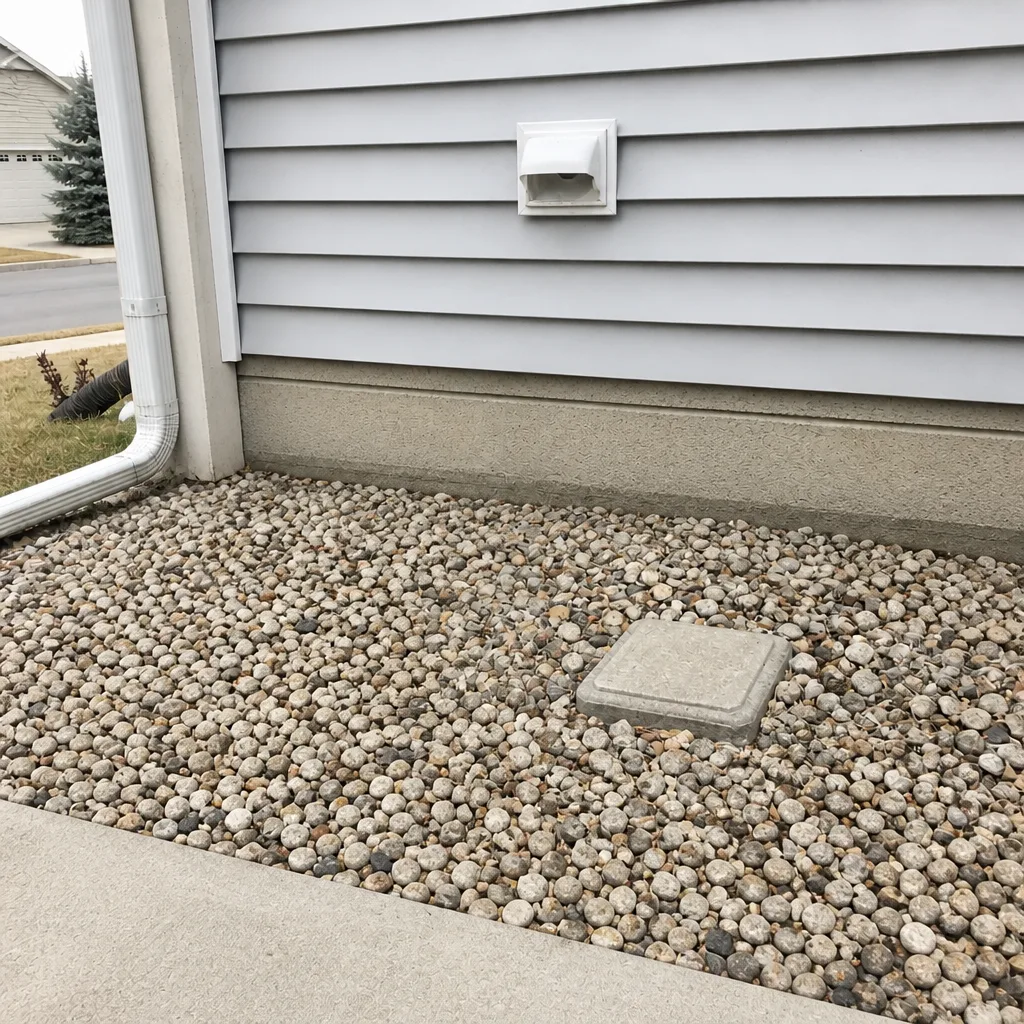 After
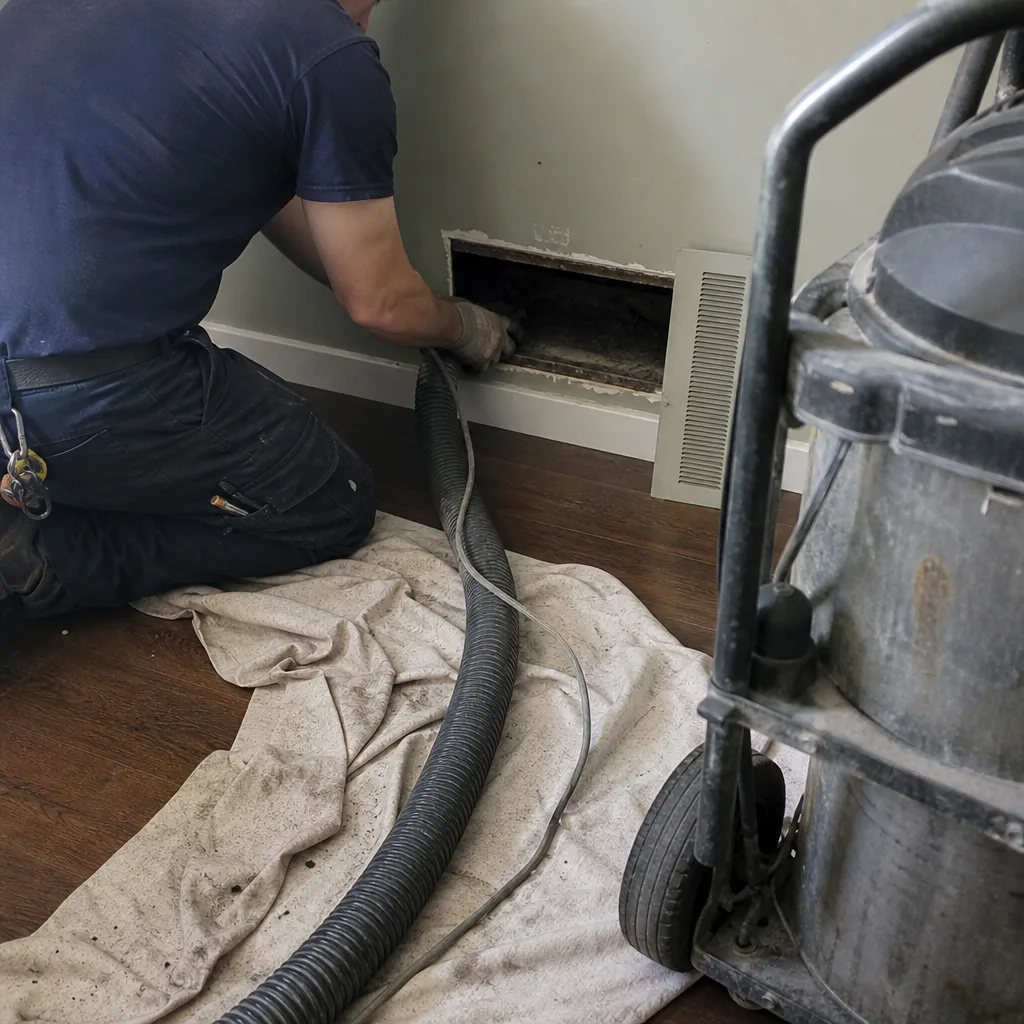 Before
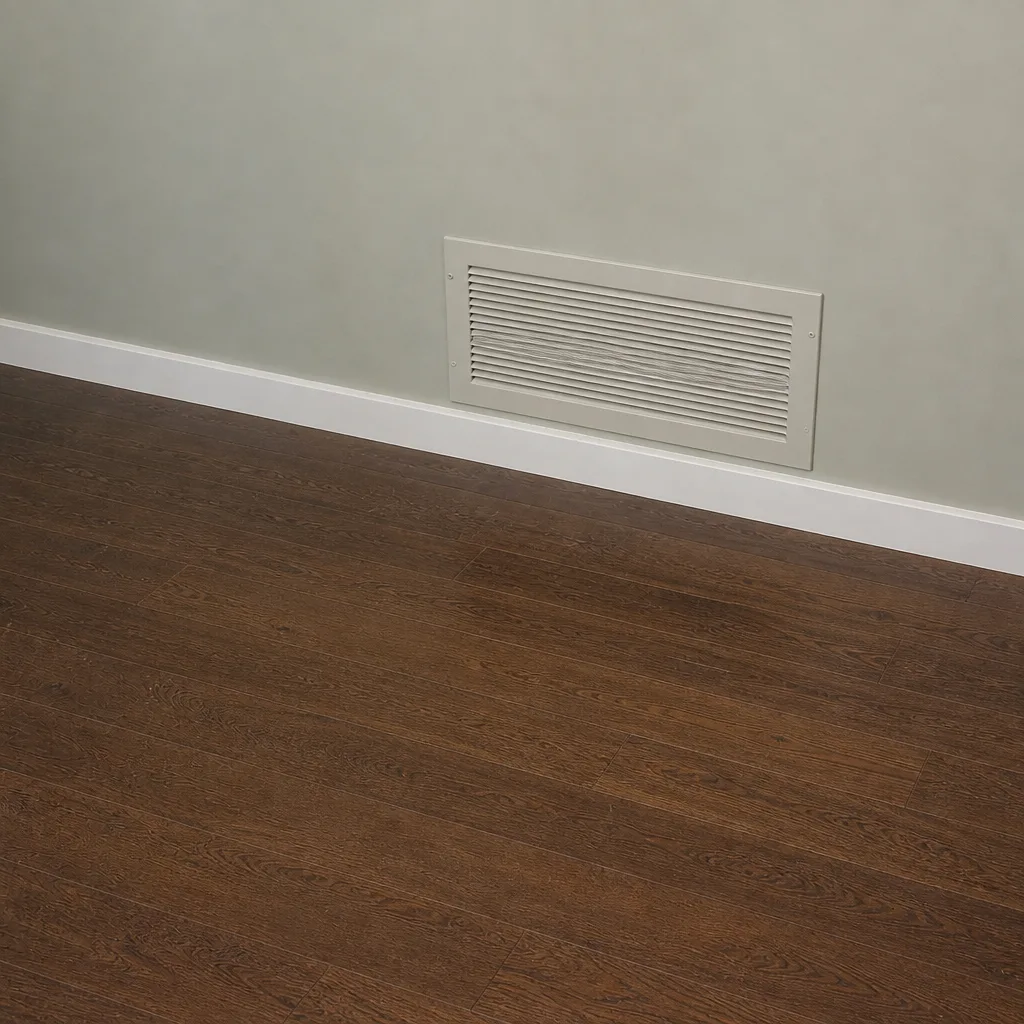 After
Frequently Asked Questions
Air duct cleaning in Meridian is priced per job by written estimate, and the total depends on your home’s size, the number of registers and branch lines, system layout, and whether the visit includes duct repair or dryer vent cleaning. We don’t quote per-vent prices or teaser promotions – the written estimate sets the final price, and it’s agreed before work starts. Call (866) 389-4992 for an exact quote. Estimates are free.
DIY duct cleaning is reasonable for a well-maintained system as ongoing upkeep between professional cleanings – washing grilles, vacuuming the first reachable length of duct, replacing filters on schedule, and keeping returns clear. It’s a poor fit for a system that’s never been cleaned, has visible contamination, or shows signs of moisture. In those cases, consumer equipment can’t reach the contamination and could spread it. Call (866) 389-4992 to talk through your situation – the estimate is free.
Cheaper quotes usually skip containment and agitation. A true professional cleaning uses contact-vacuum equipment like Rotobrush to agitate contamination and Nikro HEPA-rated vacuum to capture particulates, with source-capture equipment containing dislodged debris during the work. A low quote that skips those steps isn’t a budget version of the same job – it’s a different job. Call (866) 389-4992 for a straight comparison – the estimate is free.
Ask for before-and-after photos of your own ducts. That’s the single best answer to the industry’s bait-and-switch reputation. At Duct Cleaning Meridian, the price is one flat price per system, agreed before work starts, and the photos are yours. Call (866) 389-4992 for a free estimate.
Every 3 to 5 years is a reasonable interval for most Meridian homes, depending on pets, allergies, renovation work, and how consistently filters are changed. Homes with pets, allergy sufferers, or recent remodeling often fall on the shorter end. Good DIY upkeep between visits can push the interval toward 5. Call (866) 389-4992 for a free estimate tailored to your home.
Cleaning ducts can reduce airborne dust and settled particulate, which for some households makes indoor air noticeably easier to live with. We don’t promise allergy outcomes – that’s a medical question, not a duct-cleaning one. What we can promise is that a full-system clean removes what’s actually there, with HEPA-rated capture so it isn’t recirculated. For a complimentary assessment, call (866) 389-4992.
The Bottom Line
DIY duct cleaning and professional duct cleaning aren’t the same job at different prices. The 80 to 120 CFM from a shop vacuum can handle light upkeep; the 4,000 to 16,000 CFM from a professional system plus contact agitation and HEPA-rated containment is what actually extracts what builds up over years. DIY upkeep – filters, grilles, unobstructed returns, a HEPA home vacuum – genuinely extends the interval between professional visits, and we’d encourage it. What produces the real payoff is knowing where the line sits. For most Meridian homes, that’s a professional cleaning every few years with careful upkeep in between. If it’s time, we’re a call away.
Call (866) 389-4992 for a free estimate. We answer 24/7. Fast dispatch from 7am to 7pm, Sunday through Friday. Our technicians have up to 12 years of experience, we work with Honeywell and Aprilaire IAQ systems, and every job is one flat price per system agreed before work starts. Licensed & insured, with before-and-after photos of your own ducts on every visit.
Written by the team at Duct Cleaning Meridian.