
Last updated November 14, 2026
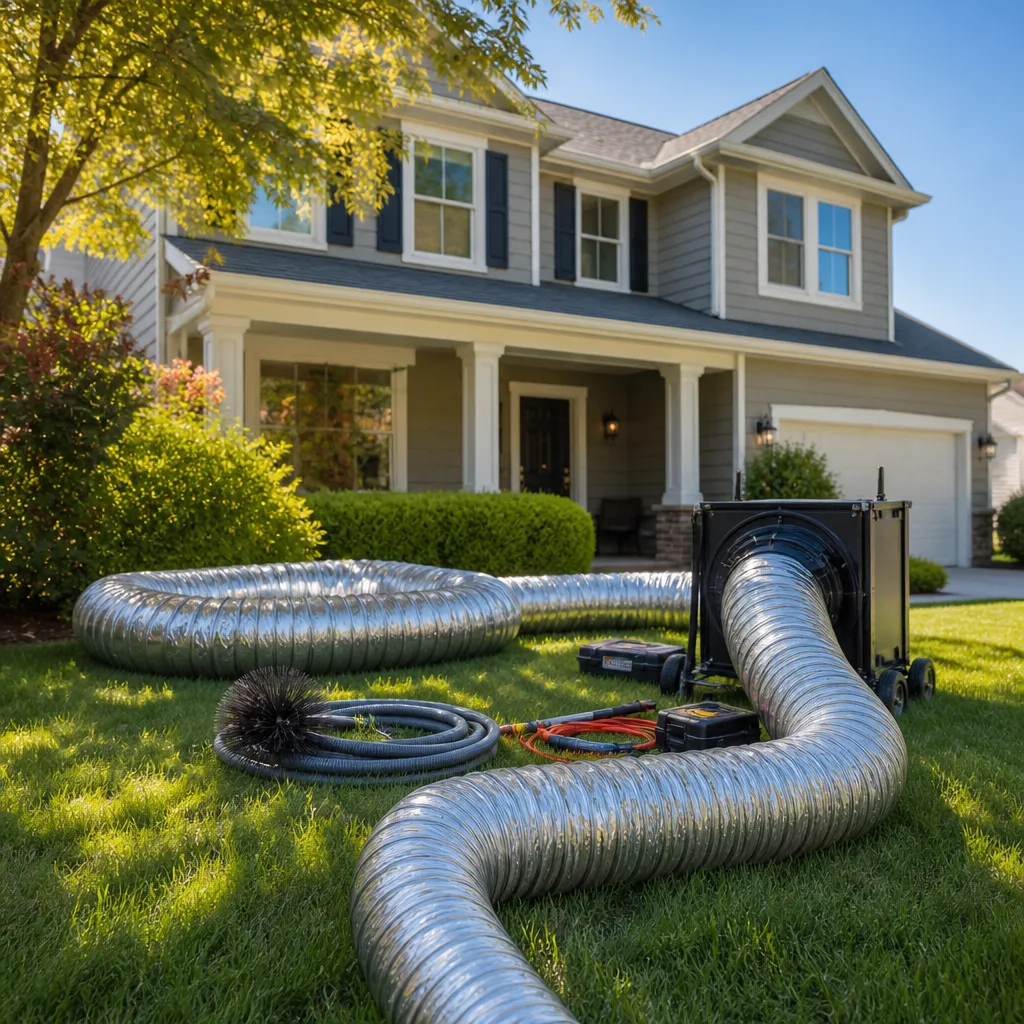 Whole-home duct cleaning
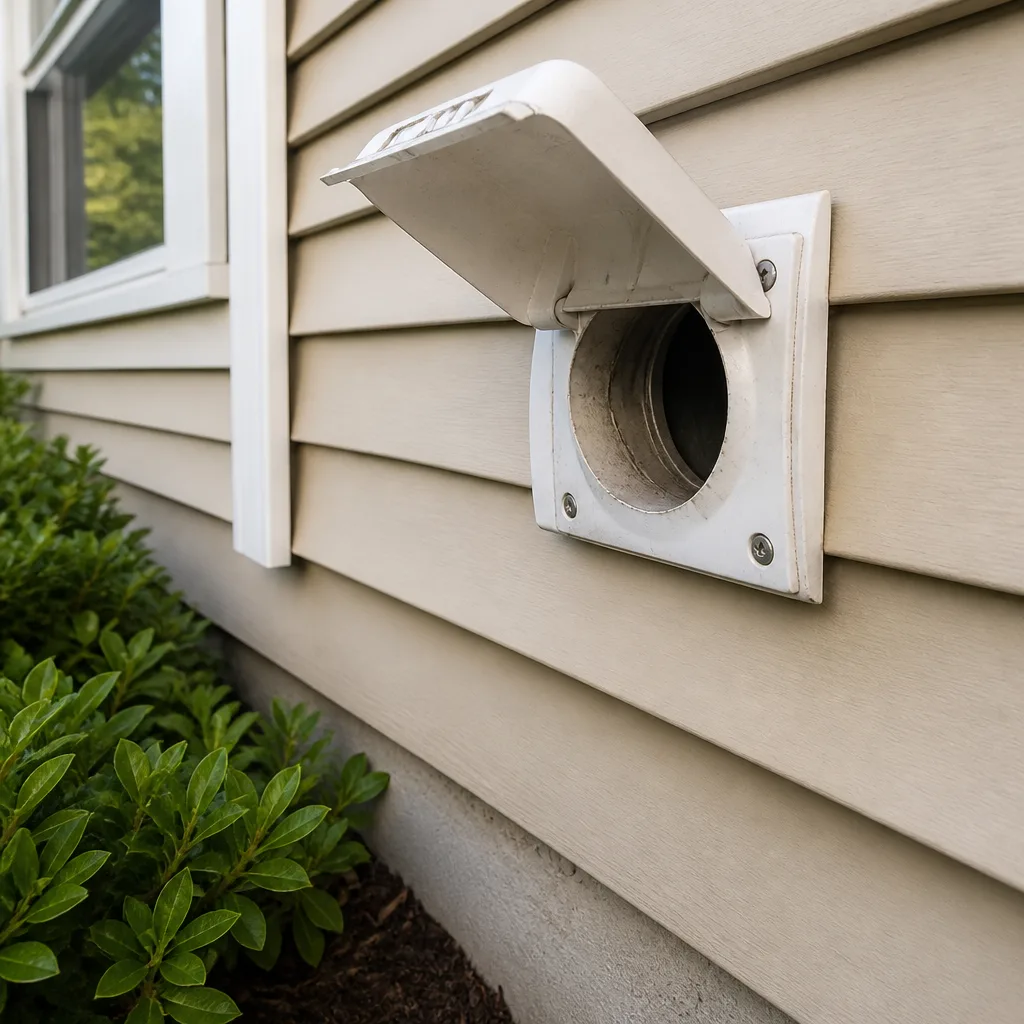 Dryer vent cleaning
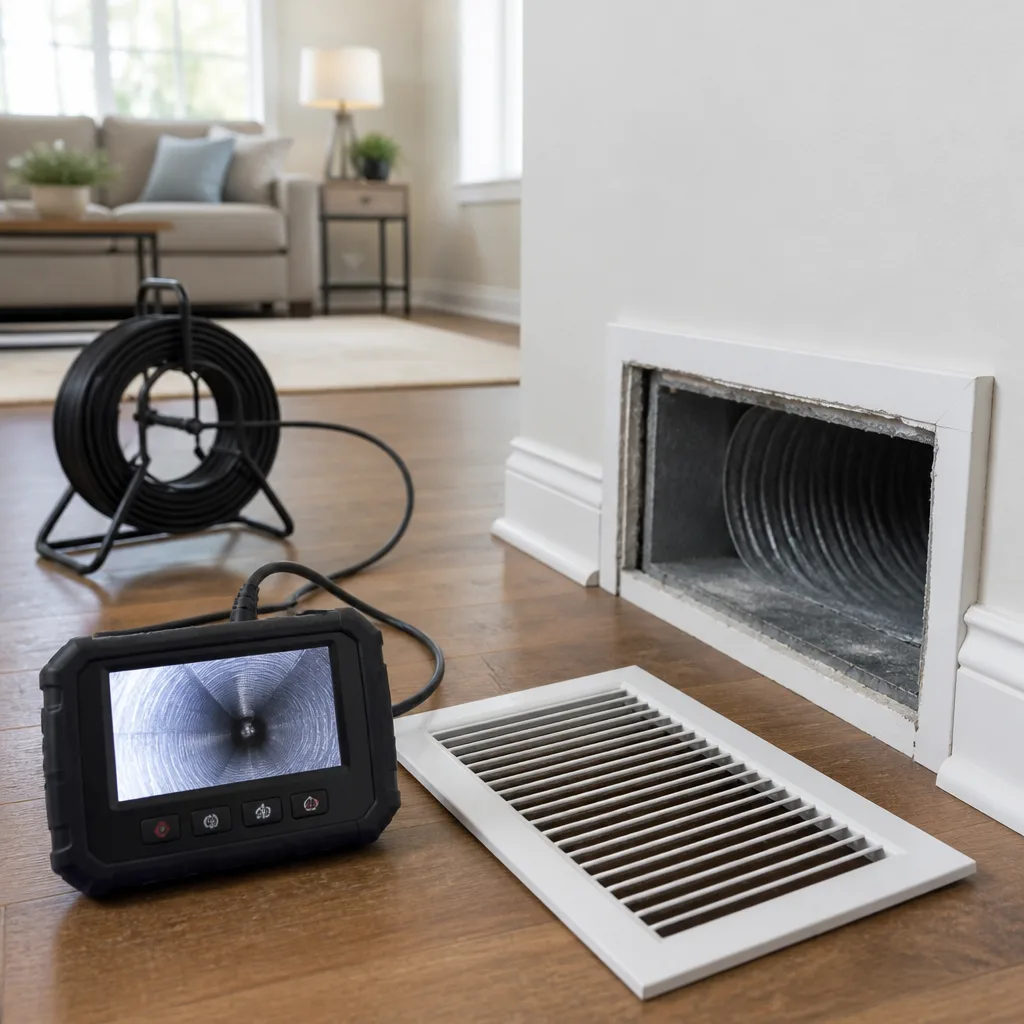 Camera inspection
 Sanitizing & deodorizing
Whole-system duct and dryer vent check with before-and-after photos - you see exactly what came out of your vents
That "$99 whole-house special" is a bait ad - the real number appears once they are in your hallway, or the "clean" is a shop-vac at the register. We photograph the inside of your ducts before and after instead.
Air Duct Cleaning Maintenance Schedule: What to Do and When
The “every three to five years” duct cleaning rule bounced around the internet was written before high-shedding breeds became the most popular dogs in Idaho. It assumes a household that barely exists anymore: one calm pet, no renovations, a builder-grade filter changed on time. Set your schedule by that old average and you’ll either clean too often and waste money or wait years too long while the system quietly loads up with dander and dust. This guide replaces the generic rule with a decision-based schedule built on the variables that actually drive contamination in Meridian homes: your pets, your filter grade, your renovation plans, and the dust that comes with living in the Treasure Valley. You’ll finish knowing your baseline interval, the tasks to handle between professional visits, and what to log so the next cleaning is faster and cheaper.
Quick Answer
Most Meridian homes should get a professional air duct cleaning every 3 to 5 years, and that baseline shrinks to 2 to 3 years if you have shedding pets, smokers in the house, recent renovation dust, or a filter rated below MERV 8. Homes with none of those factors and a well-sealed system can stretch to 5 to 7 years. Between cleanings, check the filter monthly, wipe registers seasonally, and watch for the warning signs that mean you shouldn’t wait for the calendar.
Styles & brands we work with
- Whole-home duct cleaning
- Dryer vent cleaning
- Camera inspection
- Sanitizing & deodorizing
Table of Contents
- The Variable-Input Schedule Matrix
- Maintenance Cleaning vs. Remediation Cleaning
- Seasonal Maintenance Tasks for Meridian Homeowners
- How Meridian’s Dust Season Shapes Your Cleaning Calendar
- Filters, Filtration, and What MERV Actually Changes
- What to Log After Every Cleaning
- Warning Signs That Override the Schedule
- When Duct Repair Beats Another Cleaning
The Variable-Input Schedule Matrix
Start with a baseline of 3 to 5 years for a typical single-family home, then adjust. Every factor below either shortens or lengthens that interval, and most Meridian households will land on two or three adjustments at once.
Shorten the interval when:
- You have a shedding dog or cat. High-shedding breeds add a steady dander load that settles in return plenums and branch lines. Reduce to 2 to 3 years, or 2 years if you have more than one.
- Anyone in the house smokes indoors. Smoke residue coats duct walls and doesn’t lift off with a light agitation pass. Reduce to 2 years.
- You’ve had renovation dust in the last 18 months. Drywall dust and sawdust travel further through an unsealed system than most people expect. Add a cleaning after the project, then resume your normal cycle.
- Your filter is below MERV 8. A thin fiberglass filter catches the big stuff and lets the fine particulate ride through to the ductwork. Reduce to 2 to 3 years until the filter grade is upgraded.
- You keep windows open most of the summer. Meridian’s open-window season brings outdoor dust indoors, and the return side pulls it in.
Extend the interval when:
- No pets, no smokers, no recent renovation.
- MERV 8 or higher filter changed on schedule.
- Ductwork is sealed and returns are properly connected.
- You’ve had a cleaning in the last 3 years with documentation.
A household with no pets, a MERV 11 filter and no renovation history can reasonably go 5 to 7 years. A home with two dogs, a recent kitchen remodel and a fiberglass filter shouldn’t wait past 2. That spread is why a single national number never fit.
Maintenance Cleaning vs. Remediation Cleaning
These are two different jobs, and conflating them is the single most common reason people either overservice or underservice their system.
A maintenance cleaning is scheduled, preventive work on a system that isn’t visibly compromised. The goal is to remove accumulated dust and debris before it becomes a problem. For a Meridian home that fits the baseline profile, this is what you’re booking every 3 to 5 years. It’s a clean-and-inspect job, and it’s what our air duct cleaning service is built around: Rotobrush contact-vacuum agitation through the branch lines, Nikro HEPA-rated extraction so what comes loose gets captured rather than pushed back into the room, and Abatement Technologies containment on-site to protect living areas while the work happens.
A remediation cleaning is corrective. It applies when something has gone wrong: a disconnected trunk line dumping dust into a crawlspace, visible debris blowing out of a register, an obvious moisture or pest issue, or a system that has never been cleaned in a home you just bought. Remediation requires containment as a starting point, not an add-on, and often requires duct repair before cleaning can even be effective.
The over-service trap: paying for remediation-grade work on a healthy system because a sales pitch used scare language. The under-service trap: booking a light maintenance pass on a system that actually needs a breach repaired, then wondering why dust keeps appearing. If you’re not sure which one you need, get an inspection before you get an estimate.
Seasonal Maintenance Tasks for Meridian Homeowners
The professional cleaning is a few hours every few years. The work between visits is small, regular, and it’s what keeps the interval honest. Do these on a schedule and you’ll usually get the full life out of each cleaning.
- Check the filter monthly. Hold it up to a light. If you can’t see through it, replace it. Mark the date on the edge with a pencil so you know when it went in.
- Replace the filter on schedule. Standard 1-inch filters in a Meridian home typically need changing every 60 to 90 days. Higher-MERV or thicker media filters can run longer, but check them monthly anyway.
- Wipe down supply and return registers each season. A damp cloth on the grille face and the louvers takes minutes and keeps visible dust from getting pulled back into the airstream.
- Vacuum the return grille with a brush attachment. The return is where the heaviest load collects. A quick pass between cleanings keeps the filter doing its job instead of fighting a clogged grille.
- Do a visual inspection twice a year. Look for dust streaks around register edges, listen for whistling or rattling at the vents, and check exposed ductwork in the garage or crawlspace for disconnected joints or crushed sections.
- Check the condensate line and drain pan before cooling season. Standing water is an air quality problem regardless of how clean the ducts are. If you see moisture where it shouldn’t be, that’s a call, not a wait-and-see.
- Clean the dryer vent lint trap every load. This isn’t ductwork, but it’s the same category of overlooked maintenance and it’s a documented fire risk. More on that below.
None of these require tools beyond a vacuum and a cloth. All of them make the next professional visit more efficient because the technician starts from a system that hasn’t been running against a clogged filter for months.
How Meridian’s Dust Season Shapes Your Cleaning Calendar
Timing matters as much as frequency. Meridian sits in the Treasure Valley, where agricultural activity and dry summer conditions push fine dust into the air through the warm months. That dust doesn’t stay outside. Every time a door opens, every window left cracked, every return pulling air through a leaky joint, some of it comes in and settles in the ductwork.
The practical takeaway: schedule your professional cleaning in late summer or early fall, after the heaviest dust has moved through and before you close up the house and start running the furnace. A cleaning in October means you go into heating season with clean ducts, and the load that accumulates over winter has the whole cold season to settle without compounding on top of a summer’s worth of dust. A cleaning in early spring means you spend the summer pulling fresh dust into a system you just paid to clean.
For households on a shortened interval due to pets or a low-MERV filter, the fall window is still the target. If you need a mid-cycle cleaning, aim for late winter so the two visits bracket the dust season rather than landing in the middle of it.
Dryer vents run a different calendar. Lint accumulates year-round and doesn’t care about seasons, so the driver there is load and drying time, not the outdoor dust. If loads are taking longer to dry or the outside vent flap isn’t opening fully, that’s a dryer vent cleaning conversation, and it belongs on your annual list regardless of what month it is.
Filters, Filtration, and What MERV Actually Changes
Your filter grade is the biggest single lever on how often the ducts need cleaning, and it’s the one thing you can change today for the cost of a filter.
A low-grade fiberglass filter catches large debris and lets the fine particulate pass straight through to the blower and the duct walls. A MERV 8 pleated filter captures a meaningfully larger share of that particulate before it reaches the system. Higher ratings capture more still, but they also create more airflow resistance, which is why the right filter for your system depends on the equipment, not on buying the highest number on the shelf.
If you’ve been running a thin filter for years, upgrading to MERV 8 or MERV 11 is the low-effort move that will let you stretch your cleaning interval. If your system uses a thicker media cabinet or a whole-home air cleaner, the brands matter. We work with Honeywell and Aprilaire systems, and those manufacturers set their own installation and maintenance standards for the filtration equipment they specify. Knowing which system is in your home tells you which filter to buy and how often the manufacturer expects it changed.
Guardsman filters are another option worth knowing about, particularly for households that want a balance between filtration and airflow. Whatever you choose, the rule is the same: match the filter to the system, check it monthly, and don’t run a clogged filter because the calendar says it’s not due yet. A clogged high-MERV filter is worse for your system than a fresh low-MERV one.
What to Log After Every Cleaning
This is the step almost nobody takes, and it’s the one that makes your next cleaning faster and your decisions easier. A simple log turns a fuzzy memory into a data set.
After each professional cleaning, record:
- Date of service. Obvious, but you’d be surprised how quickly the year blurs.
- What was cleaned. Supply lines, return lines, the plenum, the blower compartment. Note if any section was skipped and why.
- Condition found. Heavy, moderate or light debris. Note anything unusual: dander concentration, construction dust, debris in a specific branch line.
- Filter grade in use at the time. MERV rating and type. This is what tells you whether a shortened interval next time is because of the filter or the household.
- Any repairs identified. A disconnected joint, a crushed flex run, a loose register boot. Note whether it was fixed on the visit or flagged for follow-up.
- Photos. Before-and-after photos of your own ducts. Keep them with the log. They document the starting condition and they’re your reference point next time.
- Household changes since the last cleaning. New pet, new baby, renovation, change in occupancy. These are the inputs that shift the schedule.
When it’s time to rebook, you’re not guessing. You’re handing the technician a record that says “two dogs, MERV 8, cleaned 28 months ago, moderate debris, one repaired joint at the hall bath.” That’s a more useful brief than any national average could provide, and it means the next visit is scoped correctly from the start. Ask for the photos every time. Before-and-after documentation of your own system is the simplest way to know the work was actually done.
Warning Signs That Override the Schedule
The calendar is a guide, not a rule. Any of the following means you should stop waiting for the interval and get an inspection.
- Visible dust blowing out of a supply register when the system kicks on. That’s debris in the lines, not just a dusty room.
- Dust streaks around register edges or on the ceiling near a vent. Air is escaping at the seam, and it’s carrying dust with it.
- A musty or stale smell when the heat or AC runs. Odor that arrives with airflow is coming from the system.
- Increasing allergy or respiratory symptoms indoors that don’t track with outdoor seasons.
- A filter that clogs far faster than it should. If you’re changing a 90-day filter every three weeks, something upstream is loading it.
- Whistling, rattling or uneven airflow between rooms. Often a disconnected or crushed run, which cleaning alone won’t fix.
- You just bought the house and don’t know the service history. No log, no record, no reason to assume it was ever cleaned.
- Renovation dust from the last 18 months. Drywall and sawdust settle throughout the system, not just in the room where the work happened.
Two or three of these at once is a strong signal. In our experience, homeowners in Meridian who call because of visible dust at a register often find a joint that’s been open for a while, which is a repair question before it’s a cleaning one.
When Duct Repair Beats Another Cleaning
Cleaning removes what’s inside a sealed system. It can’t fix a system that isn’t sealed. If ductwork is disconnected, crushed, or degraded at a joint, you can clean it thoroughly and the dust will be back in months because the system is pulling from a crawlspace or attic instead of from your return.
The clues that you’re looking at a repair problem: dust appearing faster than the schedule predicts, a room that never gets the airflow the others do, visible separation at an accessible joint, or a flex run that’s been crushed under a floor or pinched around a corner. Duct repair is a separate service line for exactly this reason, and it belongs in the maintenance conversation rather than after it. We clean it, we repair it, we clear the dryer vent. If the inspection turns up a breach, fixing it is part of getting the result you paid for.
This is also where the filter-to-system relationship matters. A home that has been running with a disconnected return line for a year is pulling unfiltered air, and no filter grade fixes that. Reseal first, then maintain.
Common Mistakes to Avoid
- Following the national average instead of your household. The 3-to-5-year rule is a starting point. A Meridian home with two shedding dogs and a recent remodel needs closer to 2 years, and the average never told you that.
- Treating remediation and maintenance as the same job. Booking a light cleaning on a compromised system wastes money, and booking a full remediation on a healthy one is unnecessary. Get an inspection first if you’re unsure which you need.
- Running a clogged filter because it “isn’t due yet.” The calendar is not the filter’s problem. Check it monthly, replace it when it’s loaded, and mark the install date on the edge.
- Cleaning in early spring. You’ll spend the summer pulling Treasure Valley dust into a freshly cleaned system. Late summer or early fall gets you through heating season with clean ducts.
- Never asking for before-and-after photos. Documentation of your own system is the simplest way to confirm the work happened, and it makes the next visit faster.
- Ignoring the dryer vent because it isn’t the HVAC system. Lint buildup in a dryer vent is a documented fire hazard, and it’s a separate service for a reason. If drying times are climbing, that’s the signal.
- Cleaning a system that needs repair. If a joint is open or a run is crushed, the cleaning won’t hold. Repair first, then maintain on the adjusted schedule.
See the difference
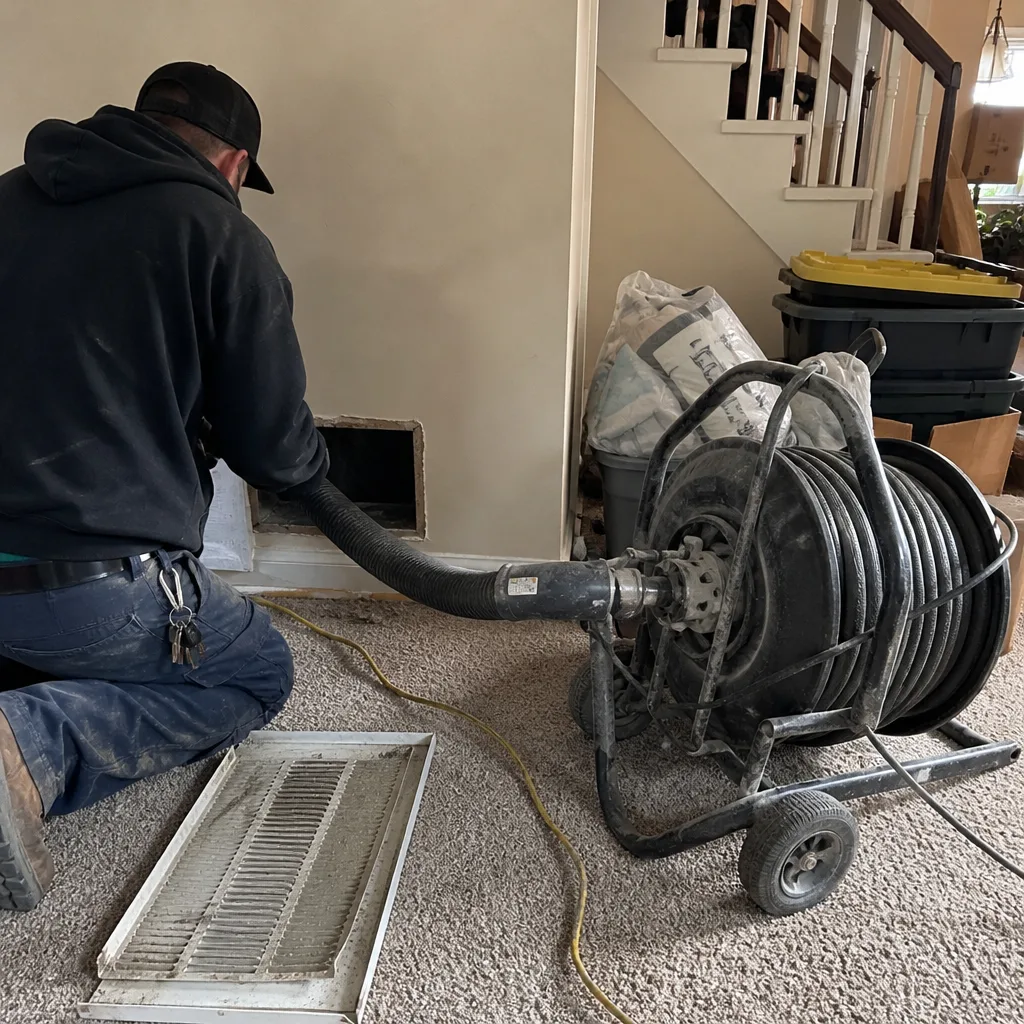 Before
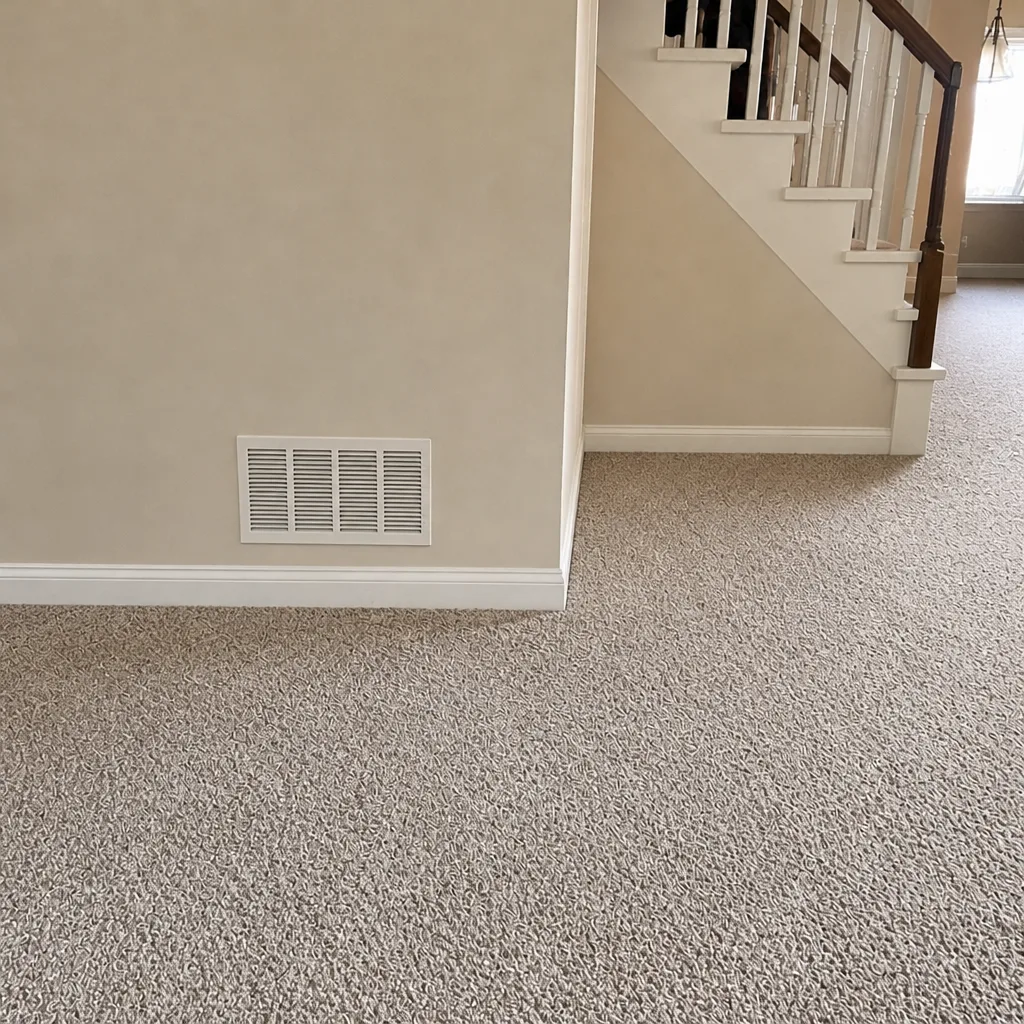 After
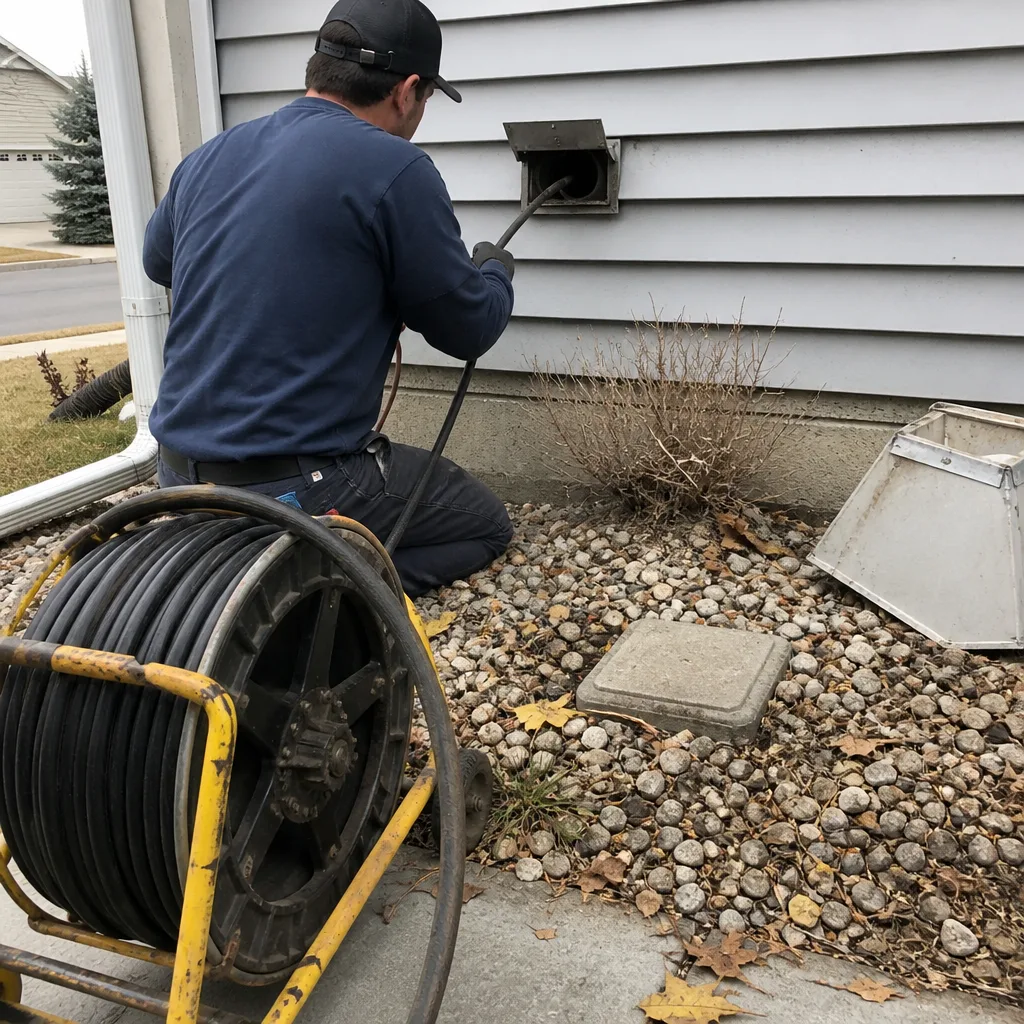 Before
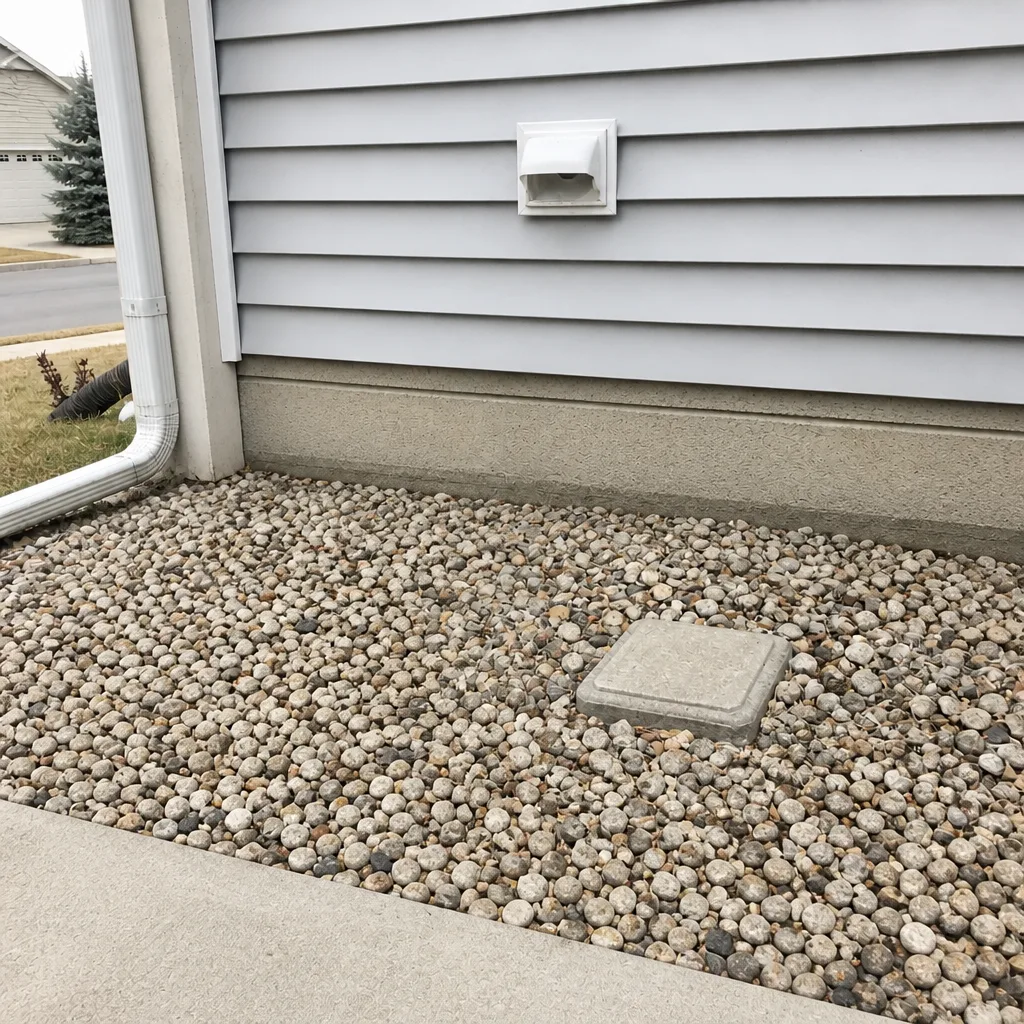 After
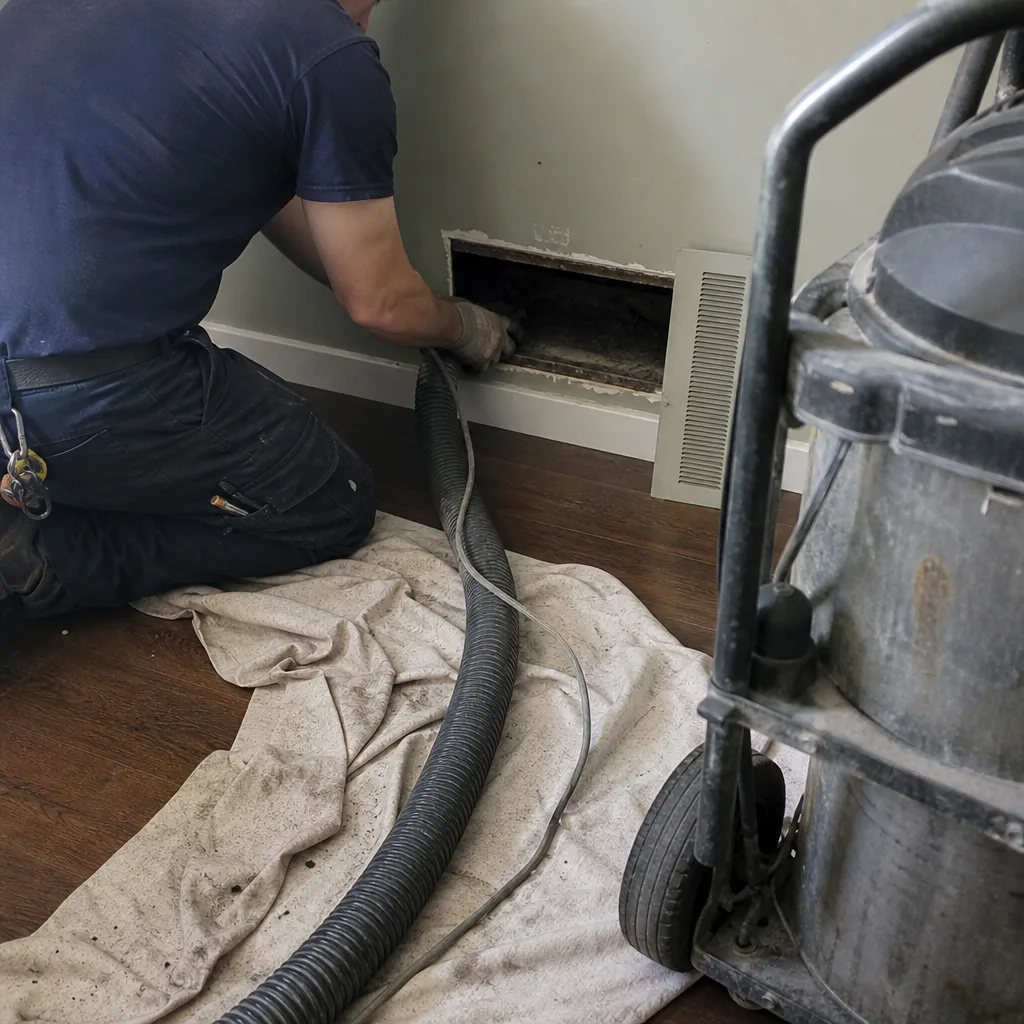 Before
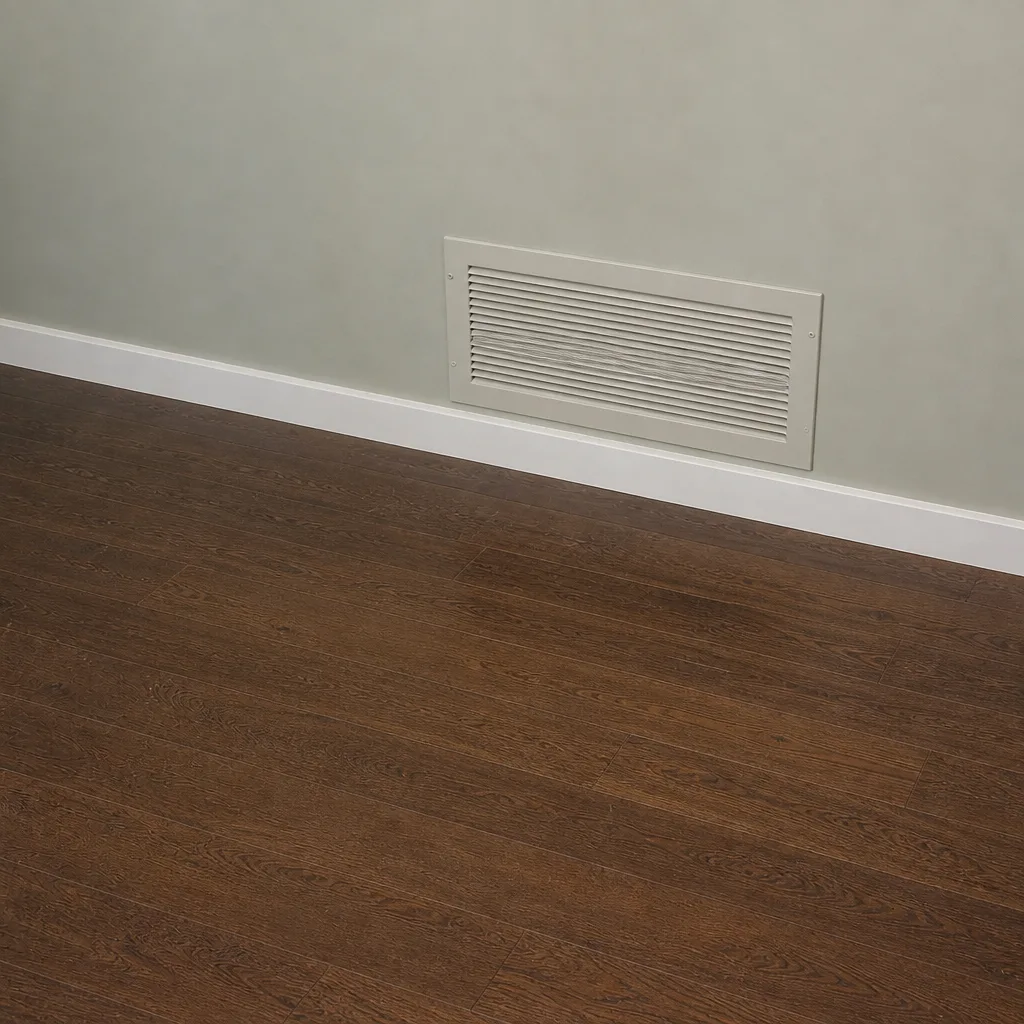 After
When to Call a Professional
Call when you can’t answer the maintenance-vs-remediation question on your own, when you see dust blowing from a register or streaks around a vent, when a filter is clogging far faster than it should, or when you’ve just moved into a Meridian home with no service history. Call after a renovation if the system ran during the work. Call if drying times are climbing or the outside dryer vent flap isn’t opening fully. Call if anyone in the home has symptoms that track with indoor air rather than outdoor seasons. Duct Cleaning Meridian offers free estimates in Meridian. Our technicians have up to 12 years of experience, we use professional-grade equipment, and the price is set per job by the written estimate before any work starts. Call (866) 389-4992. We answer 24/7. Fast dispatch from 7am to 7pm, Sunday through Friday.
Frequently Asked Questions
Every 3 to 5 years for a typical home, and every 2 to 3 years if you have shedding pets, smokers in the house, recent renovation dust, or a filter below MERV 8. Homes with no pets and a well-maintained MERV 8 or higher filter can stretch to 5 to 7 years. Call (866) 389-4992 for an exact quote – estimates are free.
Yes, eventually, because a filter catches particulate before it reaches the ductwork but doesn’t clean what has already settled. A well-maintained filter extends the interval; it doesn’t eliminate the need. The length of that interval is what the schedule matrix in this guide is for, and a filter check is the cheapest way to know where you stand. Call (866) 389-4992 to talk through your system.
Late summer or early fall, after the Treasure Valley dust season has passed and before you close up the house for heating season. A spring cleaning means you spend the summer pulling fresh dust into a freshly cleaned system. Fall gets you through winter with clean ducts. Call (866) 389-4992 for an exact quote – estimates are free.
We don’t quote per-vent prices or teaser coupons, because the honest answer depends on your system’s size, layout and condition. You get one flat price per system, agreed in writing before work starts, and before-and-after photos of your own ducts when the job is done. Call (866) 389-4992 for an exact quote – estimates are free.
Usually because they’re not the same job. A low quote often means a shop-vac setup, no HEPA filtration, no containment, and a single pass over the trunk line. The work we do uses Rotobrush contact-vacuum systems, Nikro HEPA-rated extraction, and Abatement Technologies containment on-site, which is a different process and a different price. Ask what equipment and what containment a quote includes before you compare numbers. Call (866) 389-4992 with questions.
Ask for before-and-after photos of your own ducts, and keep them with your service log. Documentation of your specific system is the simplest verification, and it’s what makes the next cleaning faster and cheaper. It also gives you a reference point if anything looks off later. Call (866) 389-4992 for an exact quote – estimates are free.
The Bottom Line
The “clean every 3 to 5 years” rule is a starting point, not a schedule. Your real interval depends on your pets, your filter grade, your renovation history, and the dust that comes with living in Meridian. Set a baseline, adjust it with the matrix above, handle the seasonal tasks between visits, and keep a log so the next job is scoped correctly. Schedule the professional cleaning in late summer or early fall. Know the difference between maintenance and remediation so you don’t overpay or under-service. And if a warning sign shows up, let it override the calendar. If you’re near Meridian, we’re glad to take a look. For a free estimate, call Duct Cleaning Meridian at (866) 389-4992. We answer 24/7. Fast dispatch from 7am to 7pm, Sunday through Friday.
Written by the team at Duct Cleaning Meridian.