
Last updated November 14, 2026
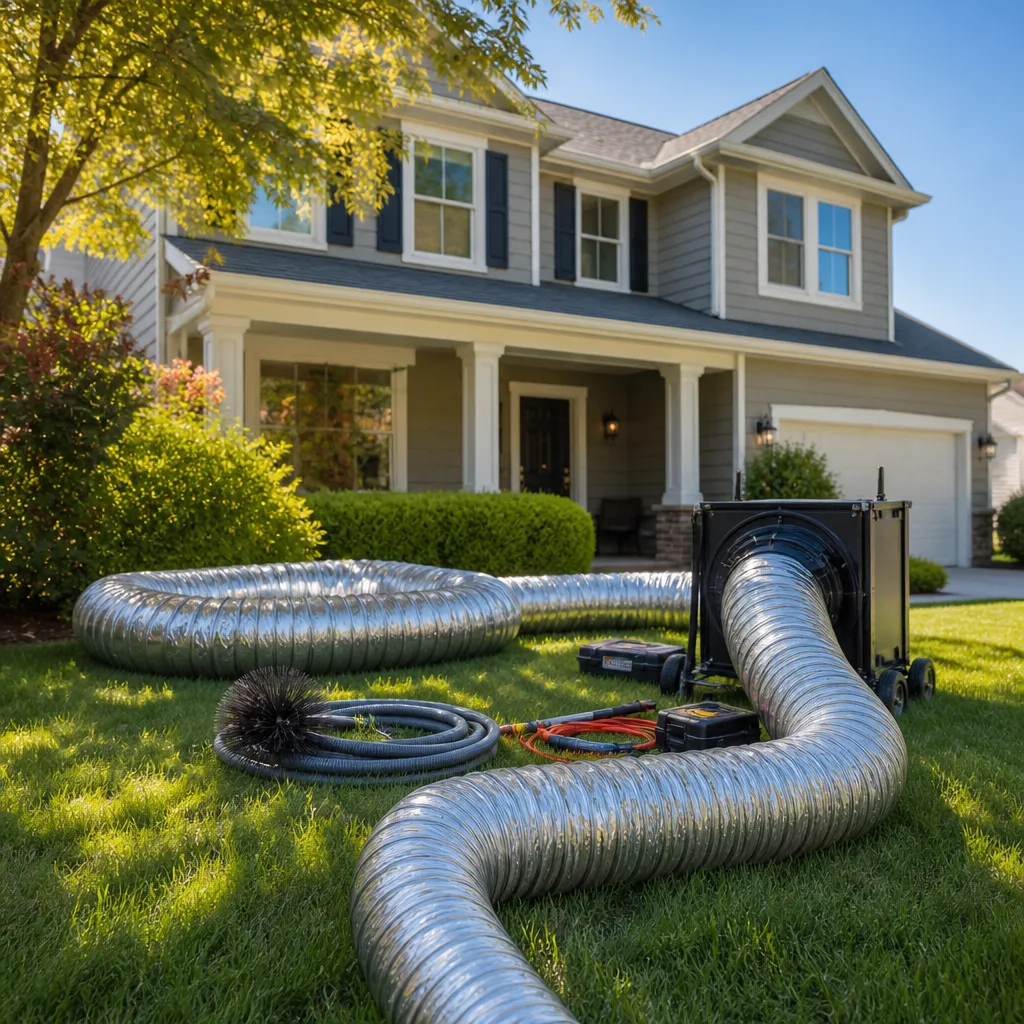 Whole-home duct cleaning
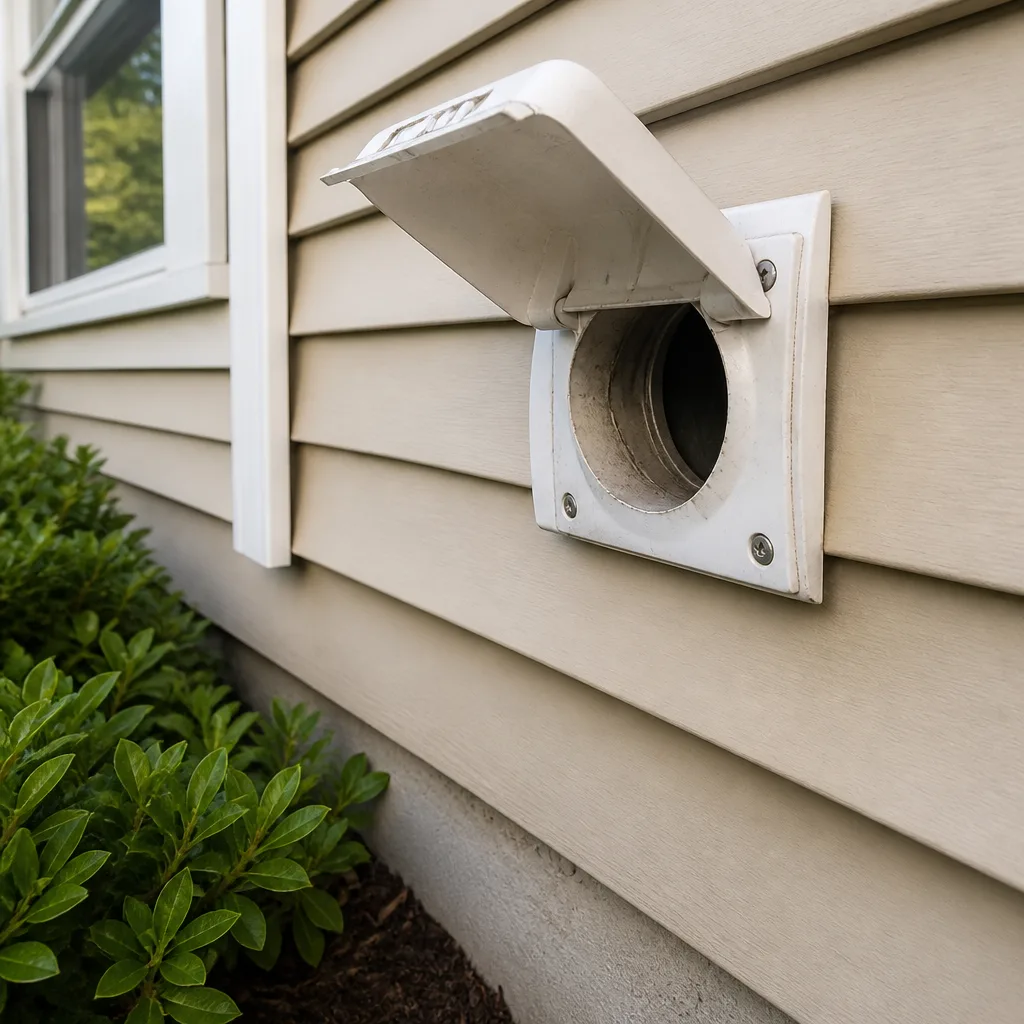 Dryer vent cleaning
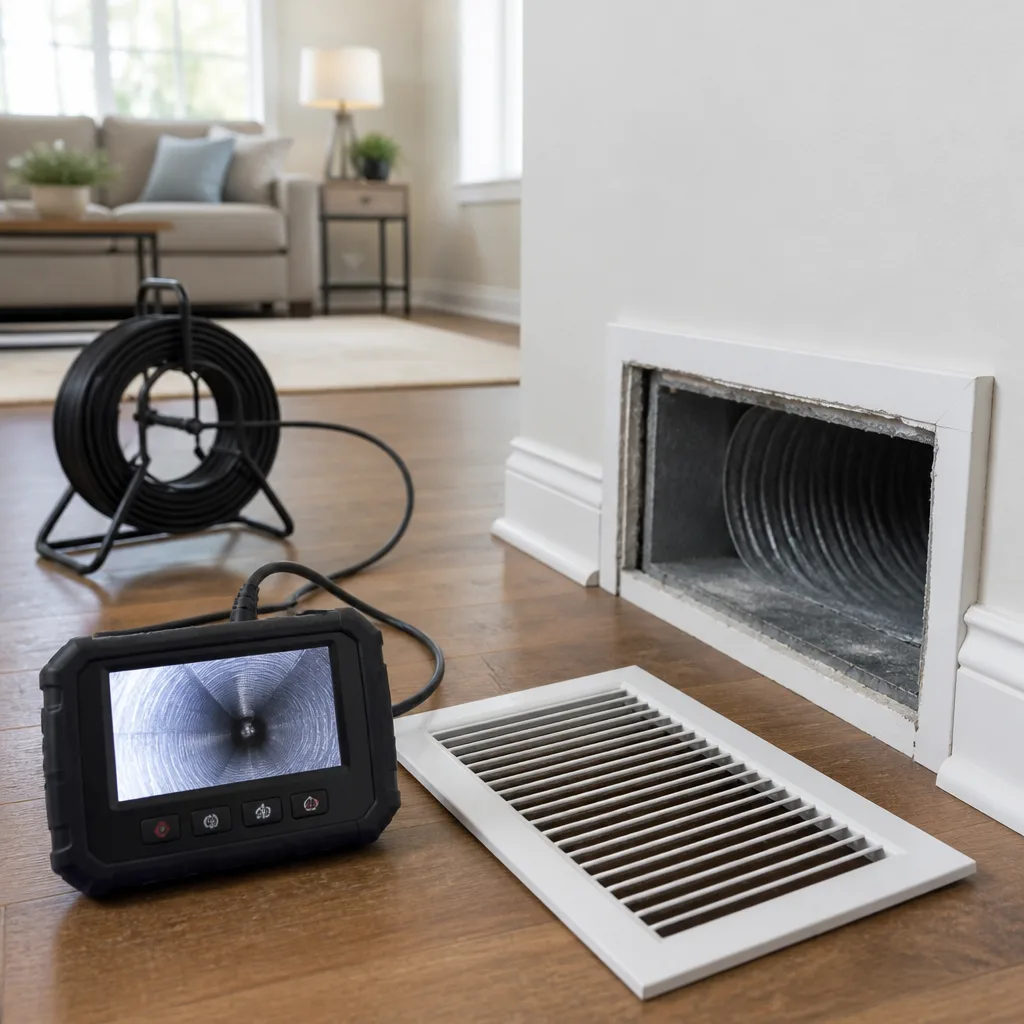 Camera inspection
 Sanitizing & deodorizing
Whole-system duct and dryer vent check with before-and-after photos - you see exactly what came out of your vents
That "$99 whole-house special" is a bait ad - the real number appears once they are in your hallway, or the "clean" is a shop-vac at the register. We photograph the inside of your ducts before and after instead.
How to Hire an Air Duct Cleaning Contractor in Meridian: A Step-by-Step Guide
Idaho doesn’t require a license to clean air ducts. That single fact changes how you should shop. In a licensed trade you can check a state database and let the credential do some of the work for you. In duct cleaning, the credential doesn’t exist, so the questions you ask and the answers you accept are the entire screening process. Here’s the part most homeowners find surprising: a $99 whole-house offer roughly covers the labor cost of two technician hours, and two hours is not enough time to access, agitate, and extract a standard Meridian home’s duct system properly. That math tells you what the low price actually buys. This guide walks through the equipment questions, the quote comparison, and the completion check that separate real work from a shop-vac visit.
Quick Answer
To hire an air duct cleaning contractor in Meridian, verify the equipment first (ask for a negative-pressure rating in CFM, the brush system type, and whether the unit is portable or truck-mounted), confirm the written scope covers every supply and return plus the air handler, and insist on a pre-job walkthrough and post-clean documentation. There’s no mandatory state licensing for this trade in Idaho, so NADCA membership is a useful starting signal but never proof of a good job. Compare quotes on scope, not price, and walk away from anyone who quotes over the phone without seeing the system.
Styles & brands we work with
- Whole-home duct cleaning
- Dryer vent cleaning
- Camera inspection
- Sanitizing & deodorizing
Table of Contents
- Why Idaho Has No Duct Cleaning License (and What to Do About It)
- The Equipment Questions That Separate Pros From Pretenders
- What NADCA Membership Tells You, and What It Doesn’t
- How to Compare Quotes Without Getting Played
- The Pre-Job Walkthrough: What a Real Contractor Does First
- What a Legitimate Job Completion Looks Like
- When Cleaning Isn’t the Answer: Spotting Duct Repair Needs
- How the Treasure Valley Climate Affects Your Ducts
Why Idaho Has No Duct Cleaning License (and What to Do About It)
Idaho does not issue a license specifically for air duct cleaning, and that’s the fact that should shape your whole hiring process. In states that regulate the trade, a license number gives you something to verify. Here, anyone with a vacuum and a business card can print “professional duct cleaning” on a sign. That doesn’t mean every operator is bad. It means the burden of verification sits with you.
The practical response is to replace the missing license check with three checks you can perform yourself:
- Insurance and bonding. Ask for a certificate of insurance before anyone sets foot in your home. A contractor working in your attic and crawlspace without liability coverage is a risk you’d be absorbing. Insured and bonded is the baseline, not a bonus.
- A physical address and a reachable phone. Not a website contact form alone. You want to know who you’re calling back if a problem shows up three weeks after the job.
- A willingness to do a pre-job inspection. Anyone who quotes a whole-house price without seeing your system, counting your returns, and checking the air handler is guessing. Guessing favors them, not you.
For Meridian homeowners, there’s a local wrinkle worth knowing. Newer subdivisions off Ten Mile and around the Linder corridor often have tightly sealed, well-insulated duct runs, which can hide problems rather than reveal them. Older homes near downtown Meridian tend to have more accessible attic runs and more visible disconnections. Either way, the only way to know what you’re dealing with is for someone to look.
One more point on licensing. Plumbing and electrical work in Idaho does require licensing, which means a duct cleaning contractor who “handles” your wiring or gas furnace shouldn’t be doing so. If a job requires electrical or gas work, a trained professional licensed for that trade handles it. That’s a normal handoff, not a red flag, and any contractor who resists the boundary is telling you something.
The Equipment Questions That Separate Pros From Pretenders
This is the section to read twice. Equipment is where the talkers get separated from the operators, because equipment questions have specific, checkable answers. Ask these in your first phone call. Vague answers are your signal to move on.
“What’s your negative-pressure rating in CFM?” A real cleaning setup puts the duct system under negative pressure so dislodged debris gets pulled out instead of pushed into your living room. Contractors who know their equipment answer this without hesitation. Contractors running a shop vac change the subject. You’re looking for a machine purpose-built for duct work, not consumer gear.
“What brush system do you use, and is it contact vacuum?” Contact-vacuum systems agitate the duct walls while extracting. A whip or a brush-and-hose combo that only reaches the surface leaves the settled layer behind. Professional-grade contact systems from Rotobrush are the industry standard here, and a contractor familiar with them will know exactly what you’re asking.
“Is your unit portable or truck-mounted, and why?” Both can do a good job. Portable units that reach deep into a Meridian home’s attic runs often pair with HEPA-rated filtration, like Nikro equipment, so captured particulate stays captured. What you’re listening for is a reason, not a brand name dropped as a deflection.
“How do you protect my floors and furniture during the job?” This separates the careful from the fast. Source-capture containment, like the equipment Abatement Technologies builds, is used to contain debris dislodged during cleaning. Many basic services skip this step entirely, and you’ll notice the difference on your bookshelf. HEPA-contained cleaning is the phrase to listen for.
Ask all four, and write down the answers. You’ll compare them against the next contractor’s answers, and the gap will be obvious.
What NADCA Membership Tells You, and What It Doesn’t
NADCA, the National Air Duct Cleaners Association, publishes a recognized standard for how duct cleaning should be performed. Membership means a contractor has committed to that framework and, generally, to ongoing training. That’s worth something. It is not a performance guarantee. Membership isn’t a license, and it doesn’t tell you whether the crew assigned to your Meridian home will run the equipment the way the manual says.
Treat NADCA membership as one item on a list, not the list itself. What else to verify:
- Written scope. The quote should list what gets cleaned (every supply, every return, the air handler, the plenum) and what doesn’t. Ask them to email it before the visit.
- Before-and-after photos. A contractor with a camera scope or a phone camera should be able to show you the interior of your ducts before and after. Ask them to show you yours, not stock images from a website.
- Who actually does the work. You want the same trained technicians who quoted it. Ask, plainly, whether any part of the job gets subcontracted. It’s a fair question, and the answer is informative.
- A description of the process, in plain English. Access, agitate, extract, contain. If the explanation is a fog of jargon, ask them to repeat it like a neighbor would.
If a contractor ticks the NADCA box but can’t answer the CFM question from the last section, treat the membership as marketing. If they answer both, you’re in better shape. We’ve found that the operators who take the equipment questions seriously tend to be the ones who also take the standard seriously, and that alignment is what you’re really buying.
How to Compare Quotes Without Getting Played
Three quotes side by side look like a price comparison. They’re usually a scope comparison in disguise, and the cheapest number almost always carries a narrower scope. To compare apples to apples, ask each contractor to quote against the same checklist and return it in writing.
Here’s the structure that makes a quote comparable:
- System inventory. Number of supply registers, number of returns, type of air handler. If two quotes disagree on the count, one of them didn’t look.
- Scope statement. What gets cleaned, what gets cleaned and sealed, and what’s excluded. “Whole-house” means nothing without a list.
- Equipment named. The CFM rating, the brush or contact system, and the vacuum type. No equipment named, no real quote.
- Containment plan. How the crew protects the home during the job.
- Completion deliverables. Photos, airflow check, filter replacement confirmation, written summary.
- Price and payment terms. One flat price per system, agreed before work starts, with the written estimate setting the final number.
When the quotes come back, read the scope statements first and the prices second. The gap between the highest and lowest bid is almost always a scope gap, not a luxury premium. And if a quote arrives by phone without a visit, it isn’t a quote. It’s a guess dressed as one.
For an honest look at whole-system pricing and what drives it, air duct cleaning walks through the variables in a Meridian home. Read it before you compare, so you know which line items should be there.
The Pre-Job Walkthrough: What a Real Contractor Does First
A thorough contractor walks your home before touching the equipment. This is the step budget operators skip because it eats billable time, and it’s exactly how they stay cheap. Here’s what a proper walkthrough covers.
Register and return count. Every supply and return gets counted and located. This becomes the scope of the job, and later it becomes the checklist you verify.
Air handler inspection. The air handler and coil get checked for debris, and the filter condition is documented. A filter packed at the end of a long Meridian summer tells them something about the system.
Access check. Attic runs, crawlspaces, and cramped returns get planned before the equipment comes in. If a run needs a new access panel cut, that’s a conversation to have now, not when the crew is halfway through.
A camera look. A scope or phone camera in at least one main trunk and one branch, so both of you see what’s inside. If there’s damage, this is where it surfaces.
Power and protection. Where the unit plugs in, how floors get covered, how furniture gets moved. Boring, and the reason your living room survives a dust-heavy job.
During the walkthrough, ask about anything you don’t understand. This is your one chance to ask questions while the answer doesn’t come from a ladder. A contractor who welcomes the questions is a contractor comfortable with their process.
Pressure to add services during this walkthrough is worth watching. If they find a real problem, they should show you the photo and explain the repair on its own merits, not bundle it into a discount if you act now. You want a written estimate with the repair broken out line by line.
What a Legitimate Job Completion Looks Like
The end of a good duct cleaning job looks nothing like a crew packing up and handing you an invoice. There’s a handoff, and it should include documentation.
- Before-and-after photos of your ducts. Not a brochure. Your registers, your trunk line, your air handler. If you can’t see the difference, you can’t confirm the work happened.
- A post-clean airflow check. Airflow at the registers gets tested, and you hear the reading. Duct cleaning should improve airflow, not just remove dust.
- Filter replacement confirmation. A fresh filter installed and noted, with the size recorded so you can stock your own. A cleaned system with a dirty filter is a wasted visit.
- A written summary of what was cleaned and what wasn’t. Including any findings, like a loose connection or a crushed run, that need attention.
- The final price, matching the written estimate. No per-vent surprise, no on-site “while we were in there” addition you didn’t approve.
This is the answer to “how do I know the work was actually done?” You know because you saw your own ducts before and after, and because the person who cleaned them handed you a summary and stood behind a price agreed before work started. That’s the standard to expect in Meridian, and anything short of it is worth a phone call.
When Cleaning Isn’t the Answer: Spotting Duct Repair Needs
Cleaning a damaged duct system is like washing a bucket with a hole in it. If the ducts are disconnected, crushed, or leaking at the seams, the debris comes right back and the conditioned air escapes into your attic. A good contractor diagnoses this before cleaning, and a full-service one can fix it. Air duct repair is a separate service from cleaning, and it’s the one that many low-bid operators can’t offer, because repair requires a diagnosis they never performed.
Watch for these signals during the walkthrough and on the invoice:
- Visible disconnections at joints, especially where flexible duct meets a metal boot. Common in older Meridian homes with original attic runs.
- Crushed or kinked flex runs squeezed behind drywall or under attic decking.
- Ripped or separated takeoffs at the trunk line, which cut airflow to a register and pull attic air in.
- Airflow complaints that persist after cleaning. If one room is cold while the rest are fine, the run has a problem, not a dust problem.
Repair usually means a new length of duct, a reconnected boot, or a sealed seam. It’s the kind of work that belongs in the same written estimate as the cleaning, itemized so you can see what you’re paying for. If your contractor finds a breach and hands you a business card for someone else, that’s a subcontracting gap, and the cleaning will need to be redone. Our technicians have up to 12 years of experience and handle the repair alongside the cleaning, so the job gets finished in one visit.
For scheduling a repair-focused visit in the area, Meridian covers how a standard job runs and how to reach us.
How the Treasure Valley Climate Affects Your Ducts
Meridian sits in the Treasure Valley, which means hot, dry summers and cold winters, with wildfire smoke drifting in from the mountains in late summer. That seasonal pattern does specific things to a duct system. In summer, your AC runs hard and long, and every cubic foot of air passes through the same ducts thousands of times. Any accumulated dust gets recirculated with it, which matters if someone in the home has allergies or you’ve got pets shedding into the return.
Smoke season is the other variable. When the valley fills with smoke, you keep the windows shut and the HVAC becomes your air handler of record. A duct system with settled debris becomes a delivery system for whatever ends up in it. This is why filter upgrades alongside a cleaning get discussed around Meridian: servicing a Honeywell or Aprilaire filtration system and specifying the right media for smoke season changes what you breathe in August and September.
Winter brings the opposite pattern. Cold air sinks into valleys overnight, furnaces kick on, and the dry air stirs up more dust. You’ll notice the vents in bedrooms and hallways doing more work. If those runs have never been professionally cleaned, the first heating season after a renovation or a move is a good time to look.
Here’s the local math on schedules. In a home with pets, allergy sufferers, or recent renovation dust, a cleaning every few years keeps the system from loading up. Homes with no pets and a well-maintained filter can stretch longer. There’s no universal answer, and any contractor who gives you one without looking at your system is quoting a brochure, not your home. Our Duct Cleaning Meridian page covers the full service line and how a scheduled visit gets planned.
Common Mistakes to Avoid
- Accepting a phone quote. Two conversations, no inspection, and a price from the sky. A whole-house quote without a walkthrough is a guess that favors the bidder. Insist on the walkthrough, and if they won’t do one, you’ve got your answer.
- Falling for the $99 offer. Two technician hours of labor for a whole house doesn’t add up, which means something gets skipped: the agitation, the containment, or the returns. If the price is too low, ask exactly what gets cleaned. The answer usually settles it.
- Buying “whole-house” without a scope. That phrase means nothing in writing until it lists register counts and names the air handler. In Meridian, a split-level with two returns is a different job than a single-story with four, and the scope should show the difference.
- Skipping the camera inspection. No camera, no proof. Without a look inside, nobody knows whether a run is clean, disconnected, or crushed, and repair needs get missed entirely.
- Approving on-site add-ons under pressure. A real finding comes with a photo and an itemized line, not a “while we’re here” upsell with a disappearing price. Ask for it in writing and take a day to think.
- Not asking about containment. Dust dislodged under high airflow goes somewhere. If the crew isn’t using source-capture containment, it’s going into your living room. Ask what protects the home before the job starts.
- Paying without documentation. No photos, no airflow reading, no note about the filter. If you can’t verify the work, you can’t hold anyone to it. Ask for the summary before the check clears.
See the difference
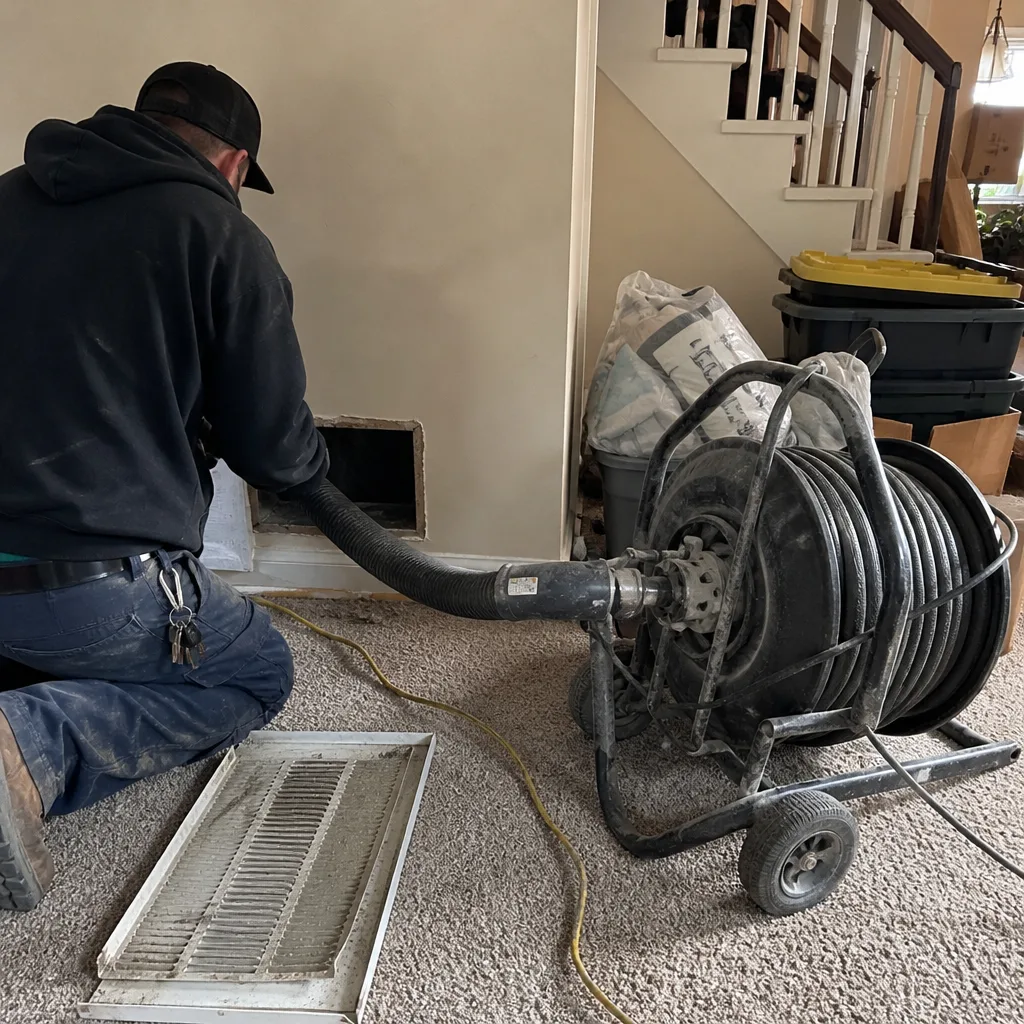 Before
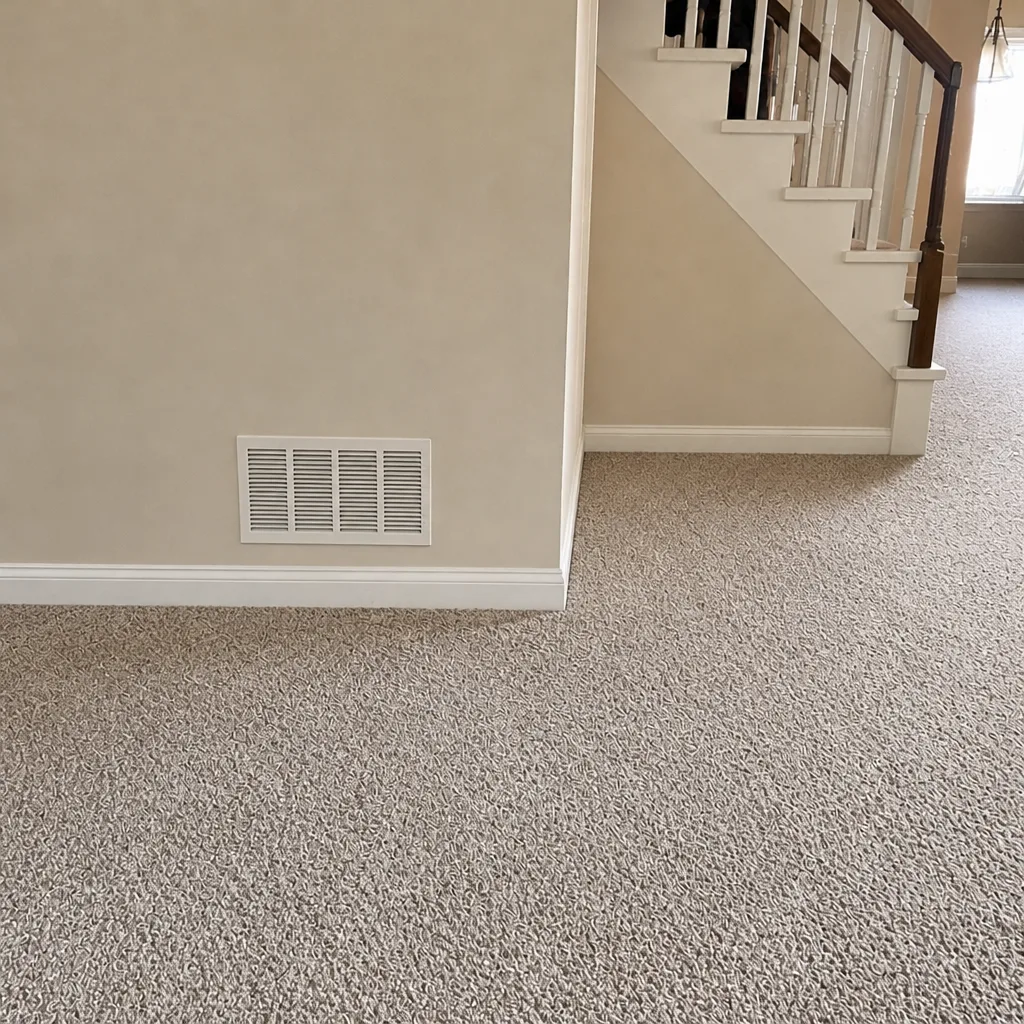 After
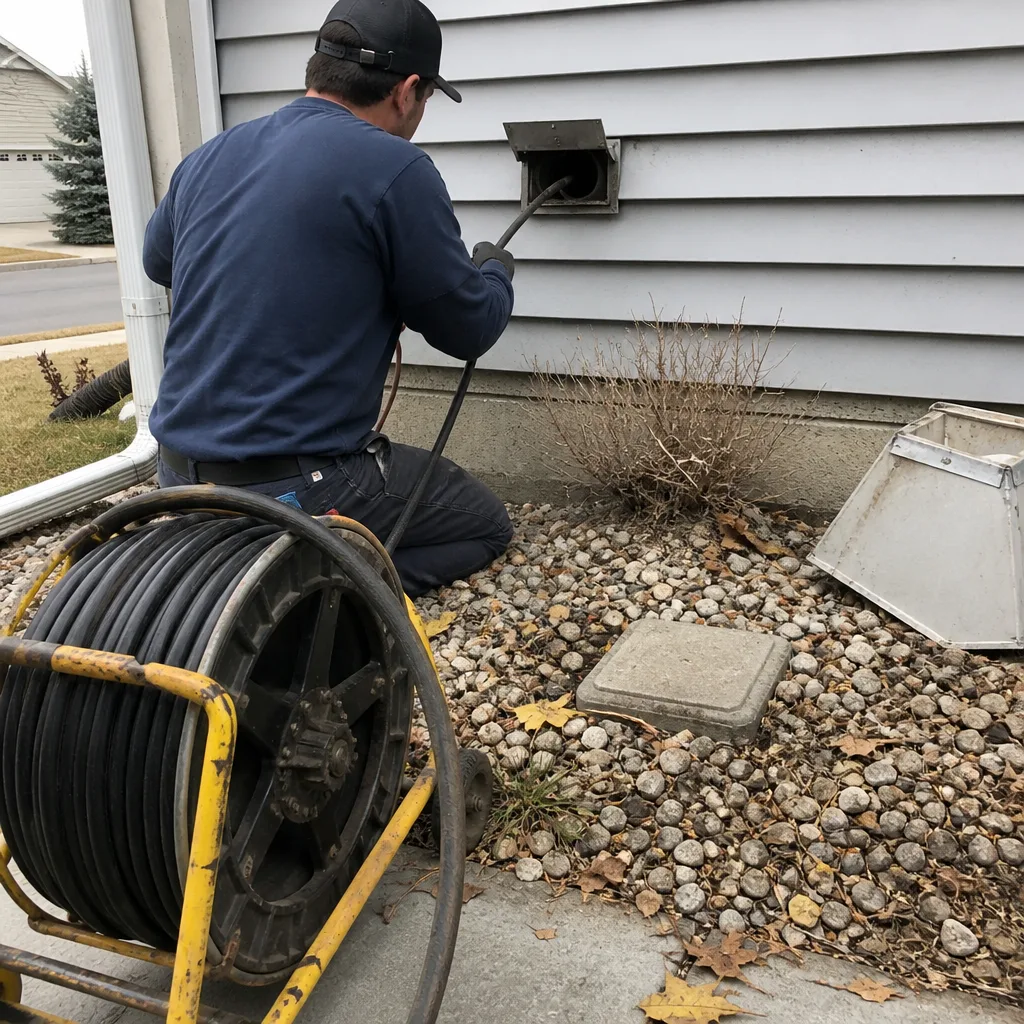 Before
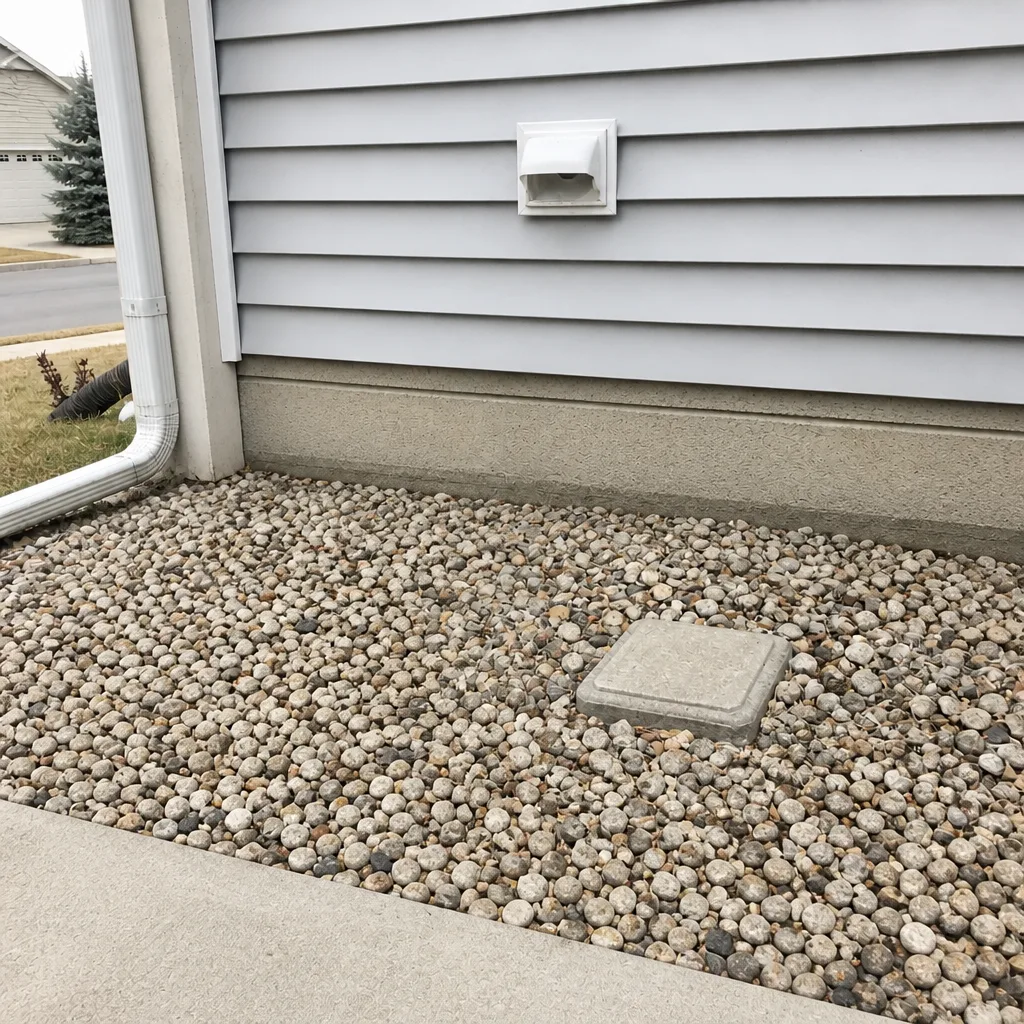 After
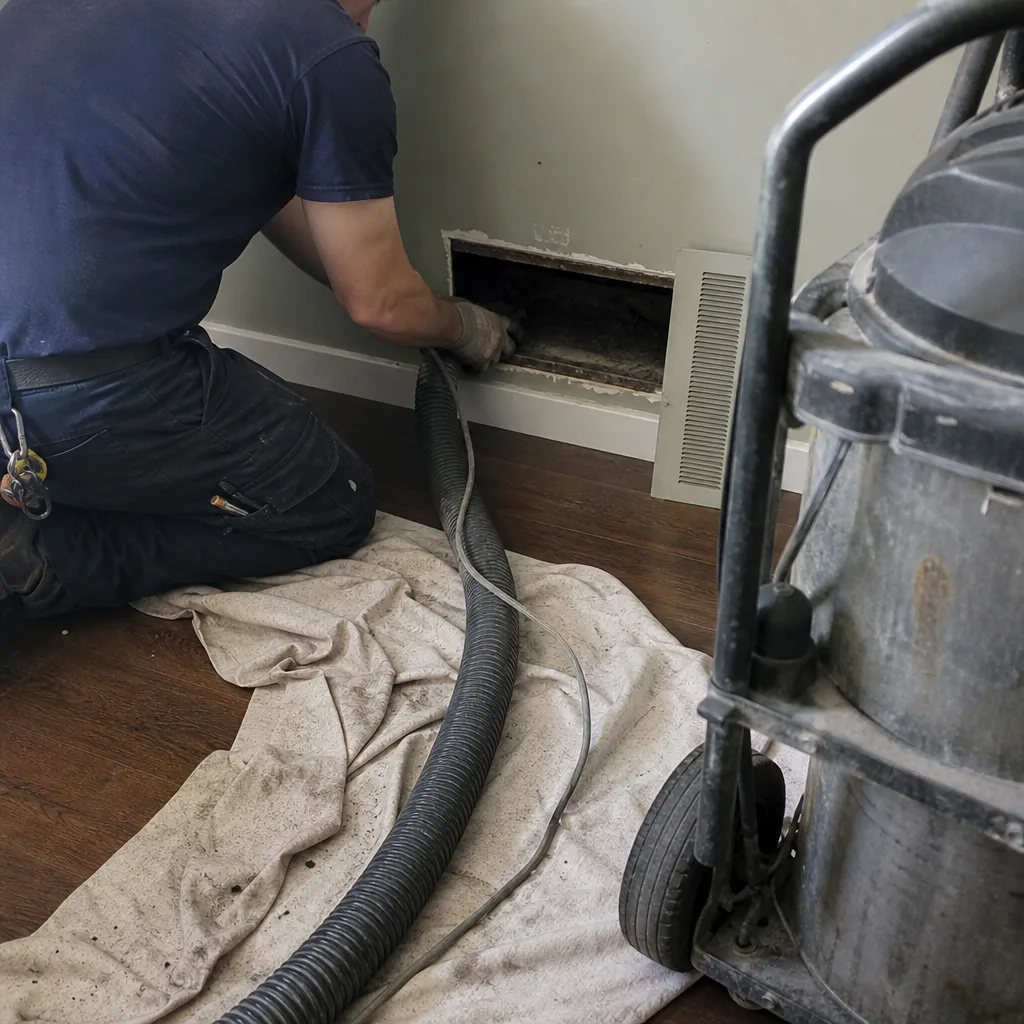 Before
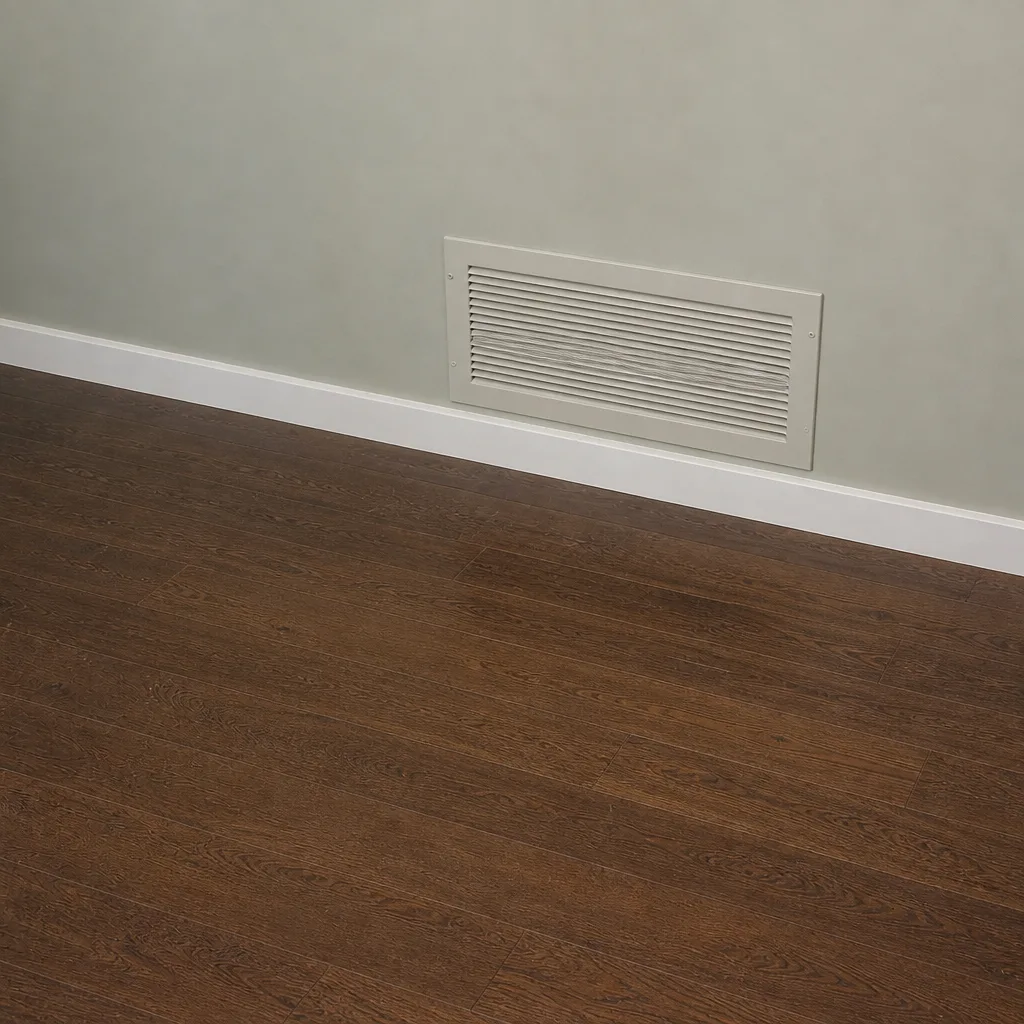 After
When to Call a Professional
Some duct work is a scheduled job. Some of it is a call you make because something is off. If you’ve just finished a renovation and drywall dust is coating the registers, or you’ve moved into a Meridian home whose ducts have never been serviced, this is the time. If rooms never heat or cool evenly despite a running system, the run may be disconnected or crushed and needs a diagnosis, not a cleaning. If the return smells musty or guests comment on dust within days of cleaning a room, the duct system is likely holding it.
One hard case: dryer vents. Lint buildup in a dryer vent is a documented fire hazard, and this isn’t a job to attempt yourself. If your dryer takes two cycles to dry a load, or the outside vent flap barely moves, call for dryer vent cleaning and get it cleared properly. Duct Cleaning Meridian offers free estimates in Meridian – call (866) 389-4992. We answer 24/7. Fast dispatch from 7am to 7pm, Sunday through Friday.
Frequently Asked Questions
No, because Idaho doesn’t issue a specific license for air duct cleaning. That makes insurance, a pre-job inspection, and equipment verification your screening tools instead of a state database. Ask for a certificate of insurance and a written scope before you book.
Duct cleaning is priced per system, and the range depends on how many registers and returns a home has, how accessible the runs are, and whether repair is needed. We price one flat figure per system, agreed before work starts, and before-and-after photos of your own ducts come with the job. Call (866) 389-4992 for an exact quote – estimates are free.
Cheap quotes usually skip scope. A low figure often covers fewer registers, excludes the air handler, or omits the containment step. A $99 whole-house offer roughly covers two technician hours of labor, which isn’t enough time to access and clean a standard Meridian home properly. Compare the scope statement, not the number, and you’ll see where the money went. Call (866) 389-4992 if you want a written scope to measure others against.
You see your own ducts before and after, and you get a written summary. A legitimate completion includes photos of your registers and air handler, a post-clean airflow check, filter replacement confirmation, and a final price matching the estimate. If any of those is missing, ask for it before you pay. Call (866) 389-4992 to schedule a visit with documentation included.
Most homes in Meridian do fine with a cleaning every few years, and homes with pets, allergy sufferers, or recent renovation dust benefit from the tighter end of that range. There’s no universal schedule, and anyone who gives you one without looking at the system is guessing. Call (866) 389-4992 and we’ll look at your setup before recommending anything.
Yes, and it’s a dedicated fire-safety service, not an upsell tacked onto the cleaning visit. Lint buildup in the vent line is a documented fire risk, and a dryer that takes two cycles to finish a load is a sign the line is restricted. Call (866) 389-4992 to schedule both the duct work and the dryer vent together.
The Bottom Line
Hiring a duct cleaning contractor in Meridian comes down to verification, because no license is going to do it for you. Ask about negative-pressure rating, contact-vacuum and HEPA equipment, and containment before the job. Treat NADCA membership as a starting signal and nothing more. Compare quotes on the scope statement, require a pre-job walkthrough with a camera, and expect a completion handoff with your own photos, an airflow check, and a filter confirmation. One flat price per system, agreed in writing before work starts, is the standard. Anything less is a discount on a job you’ll pay to redo.
Ready to get a straight answer on your system? Call Duct Cleaning Meridian at (866) 389-4992 for a free estimate. We answer 24/7. Fast dispatch from 7am to 7pm, Sunday through Friday. We clean it. We repair it. We clear the dryer vent. Our technicians have up to 12 years of experience, and every job comes with a written scope, a flat price per system, and before-and-after photos of your ducts.
Written by the team at Duct Cleaning Meridian.