
Last updated November 14, 2026
 Whole-home duct cleaning
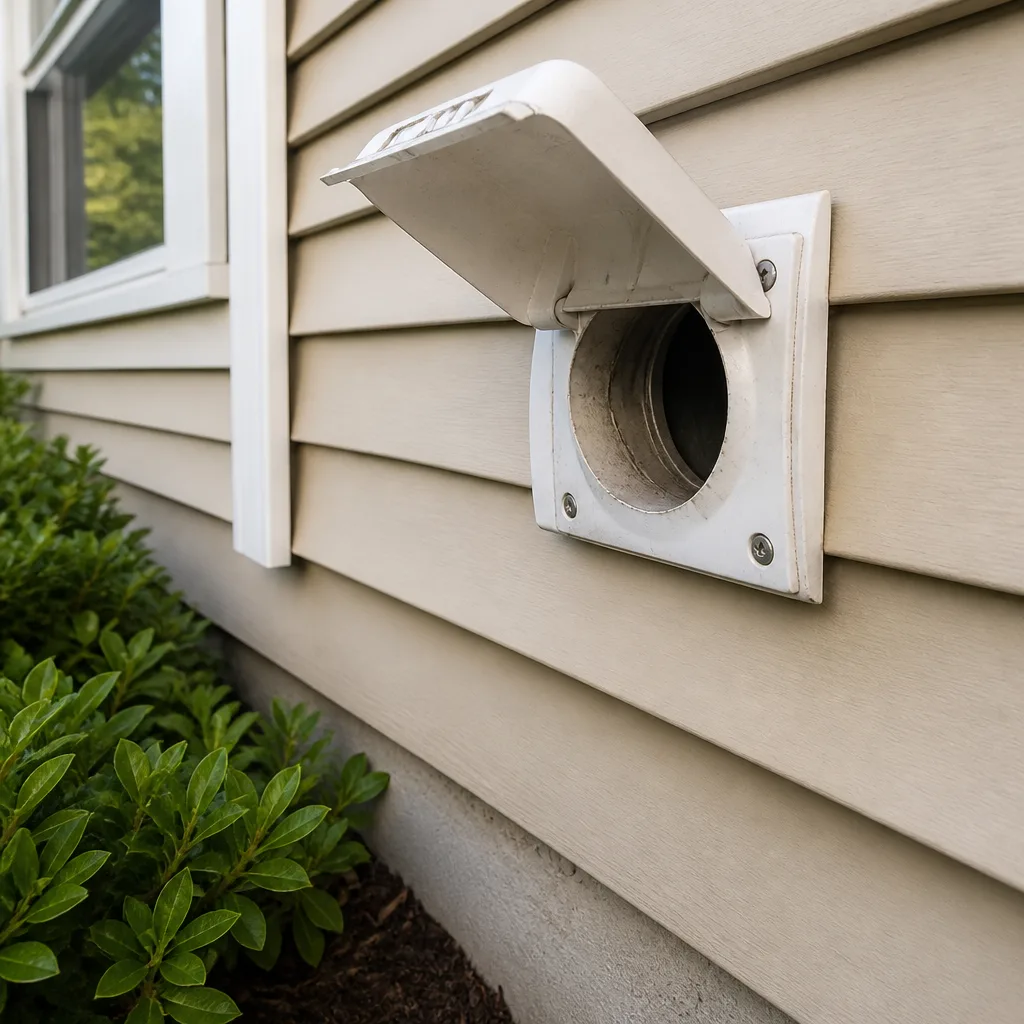 Dryer vent cleaning
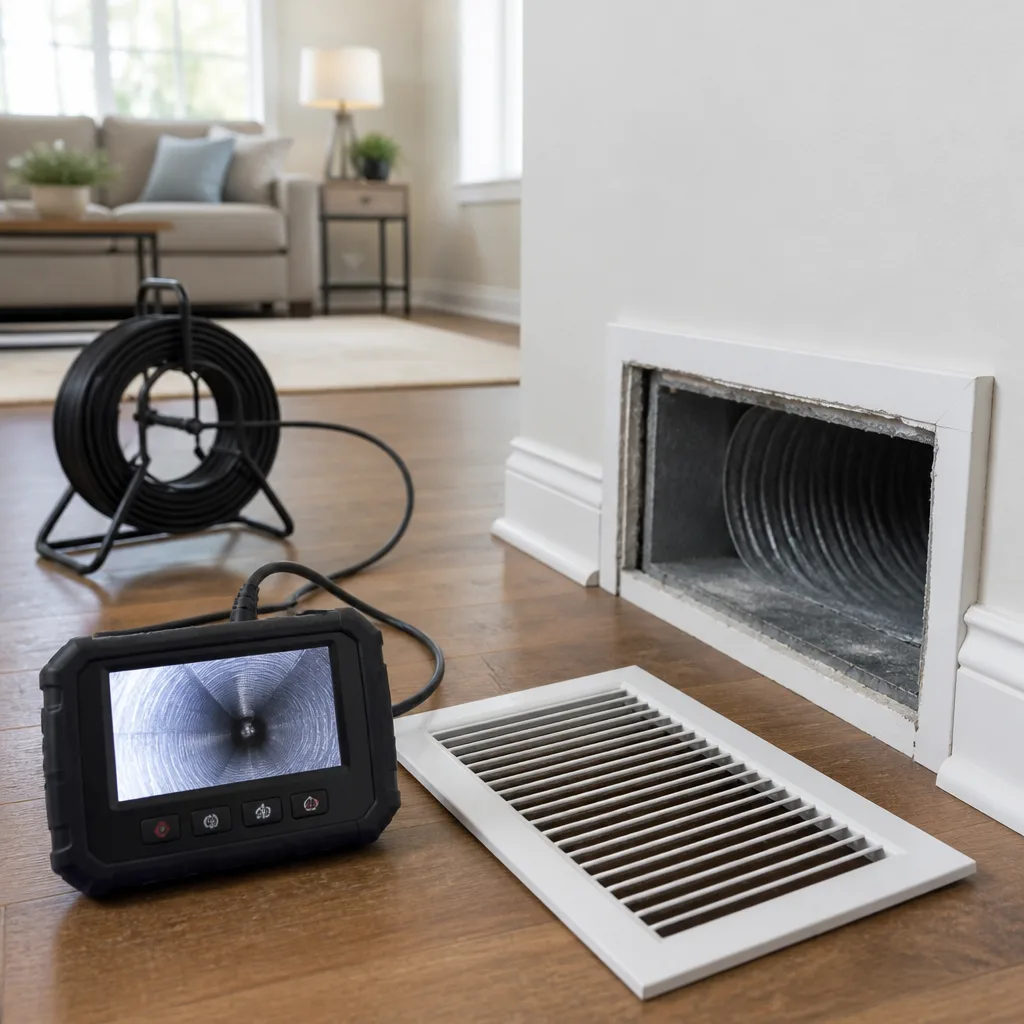 Camera inspection
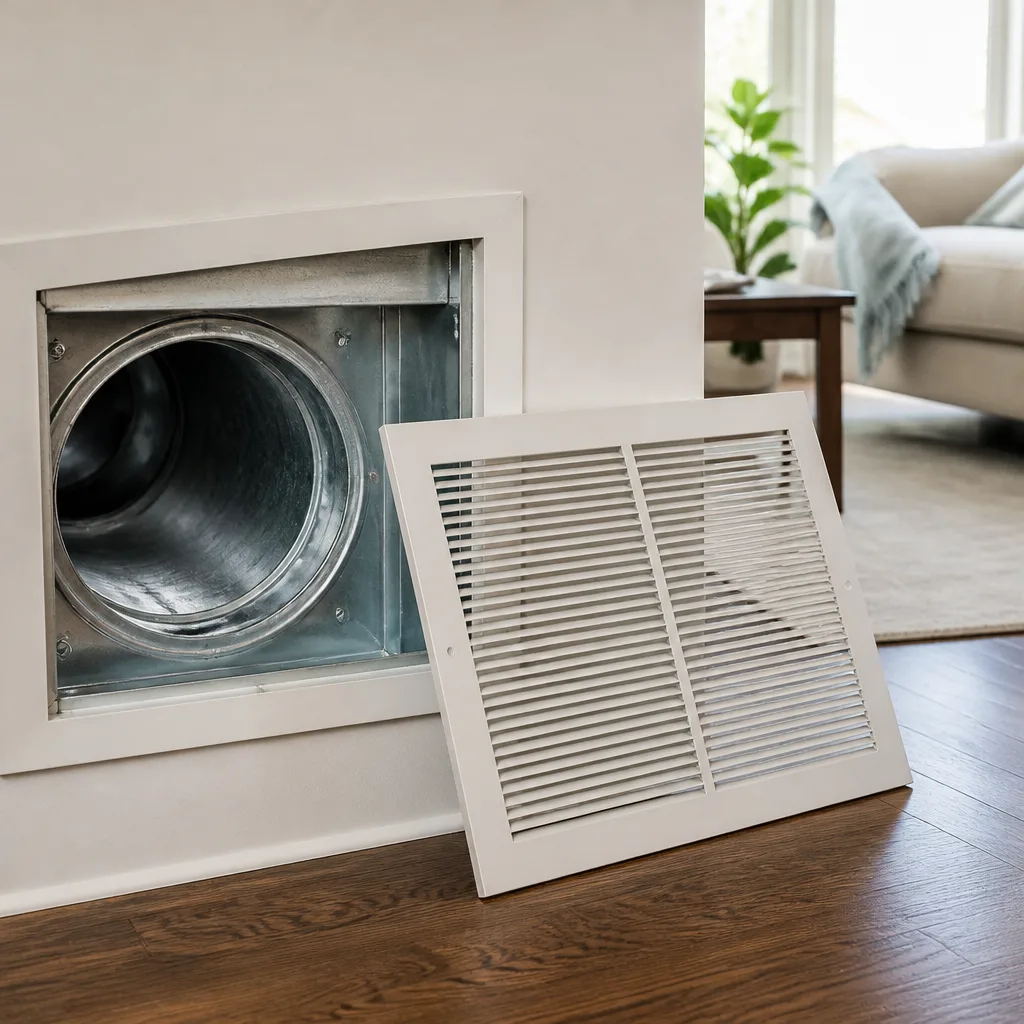 Sanitizing & deodorizing
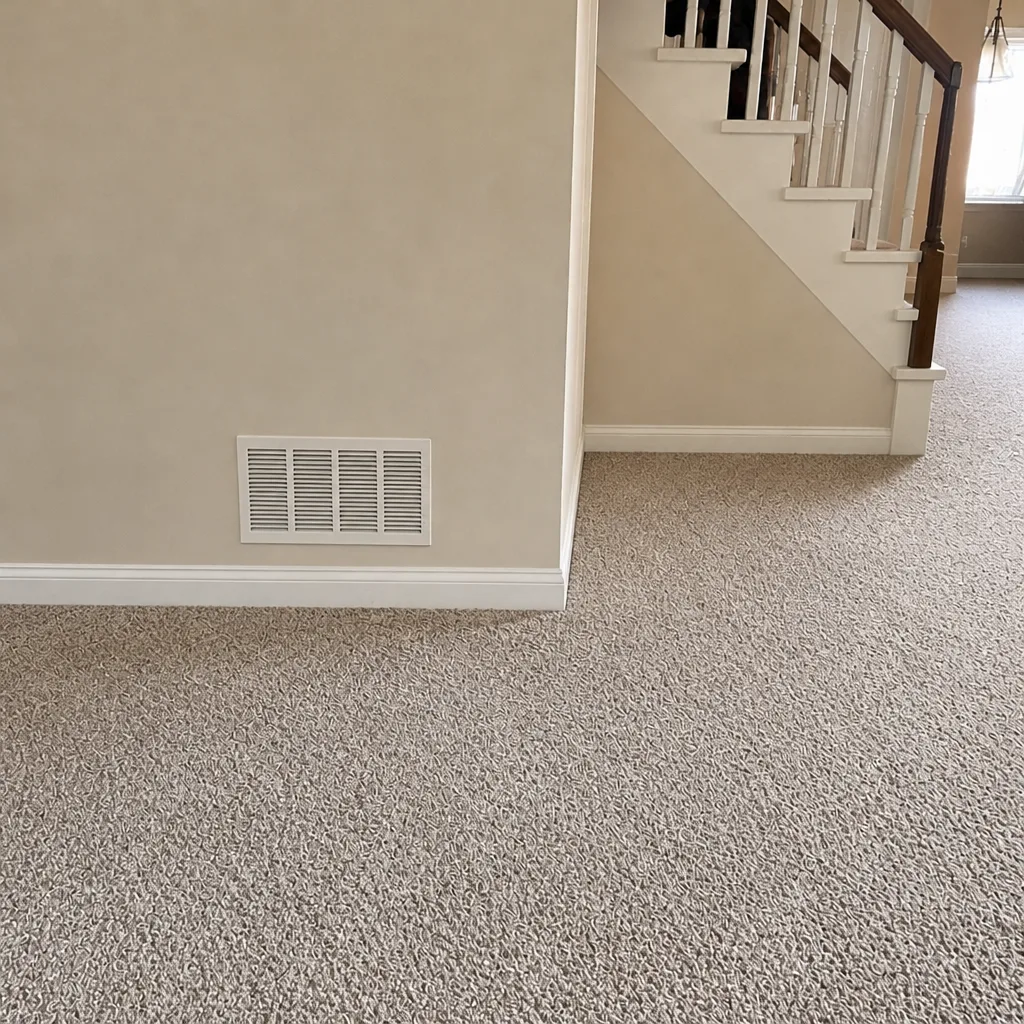
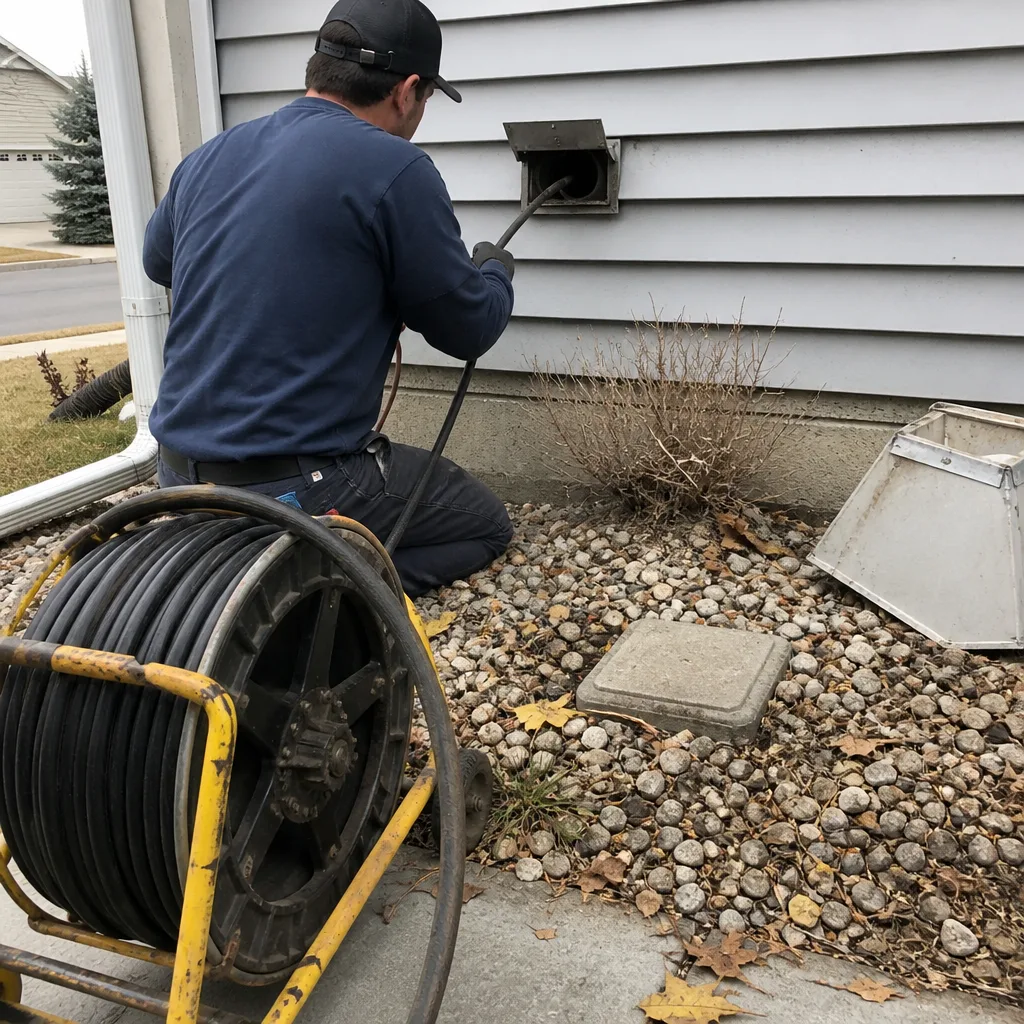
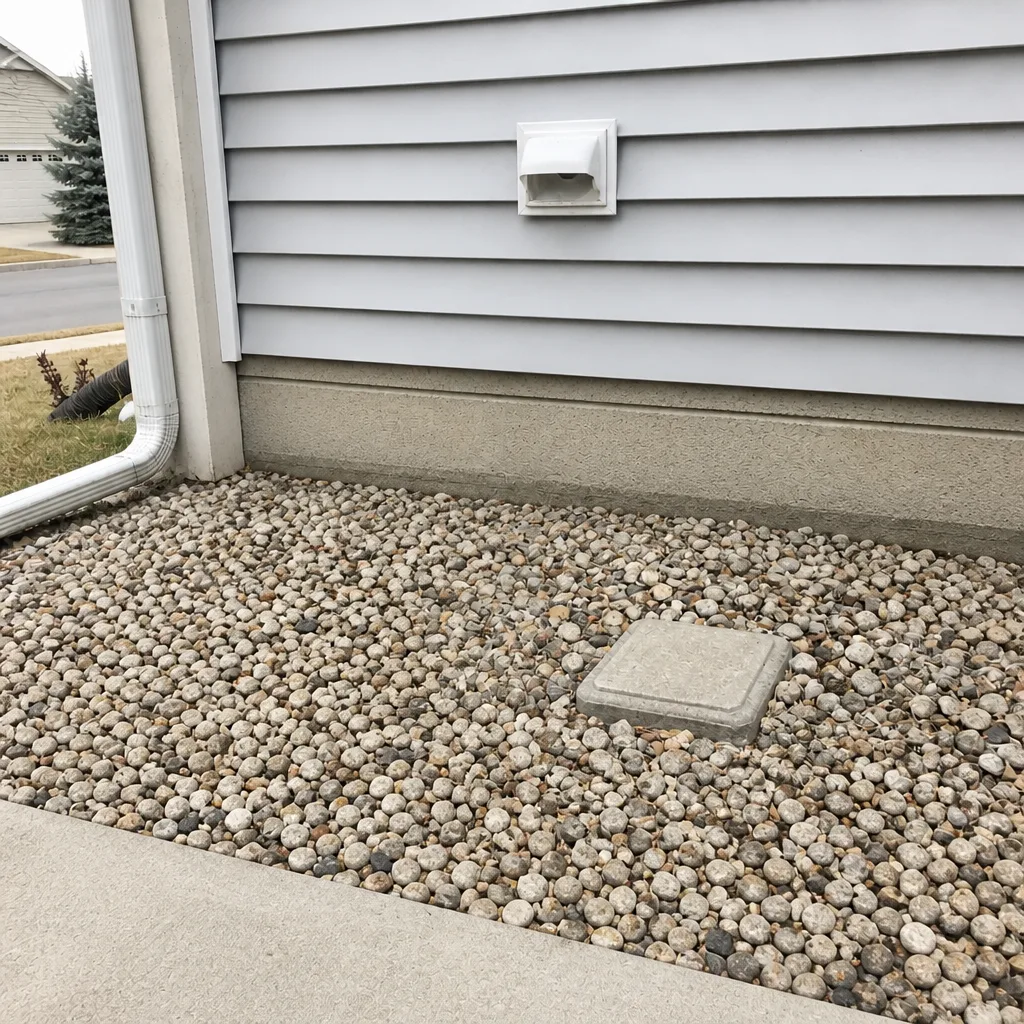
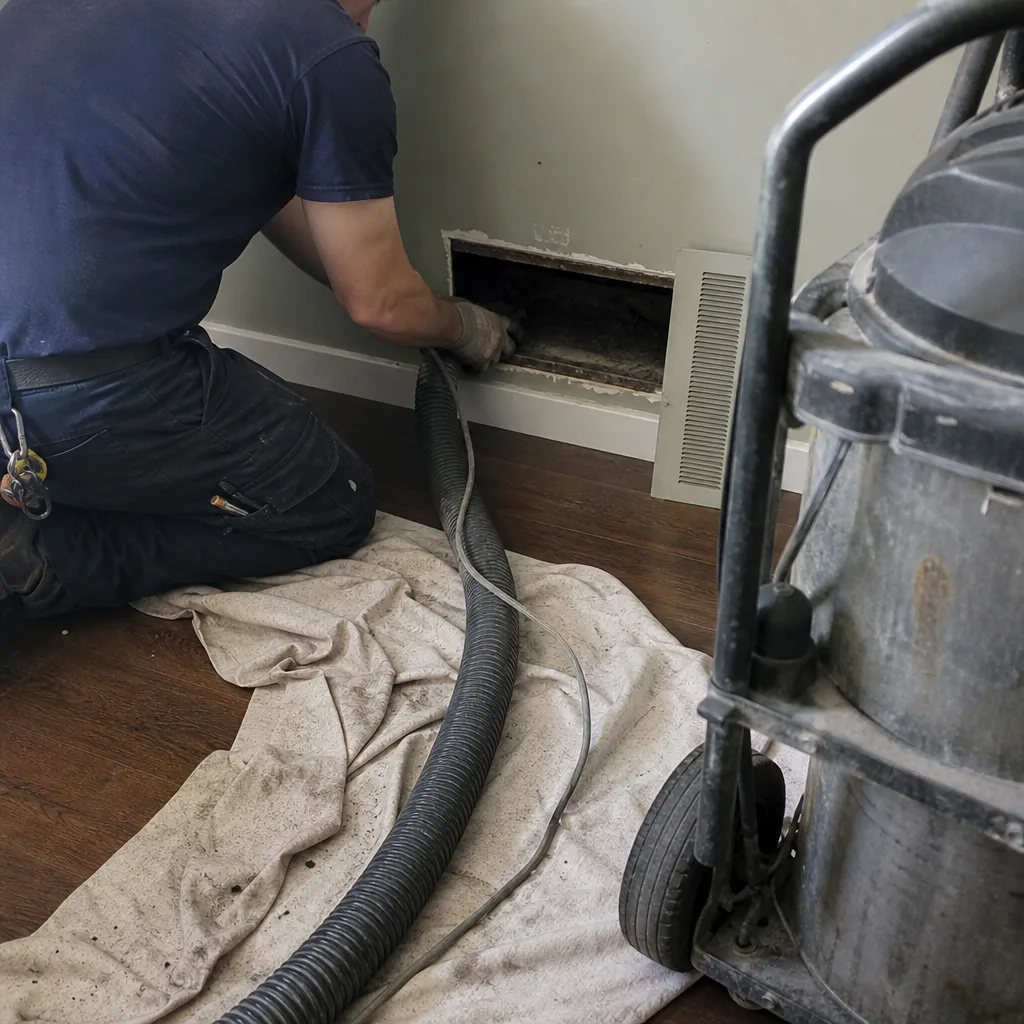
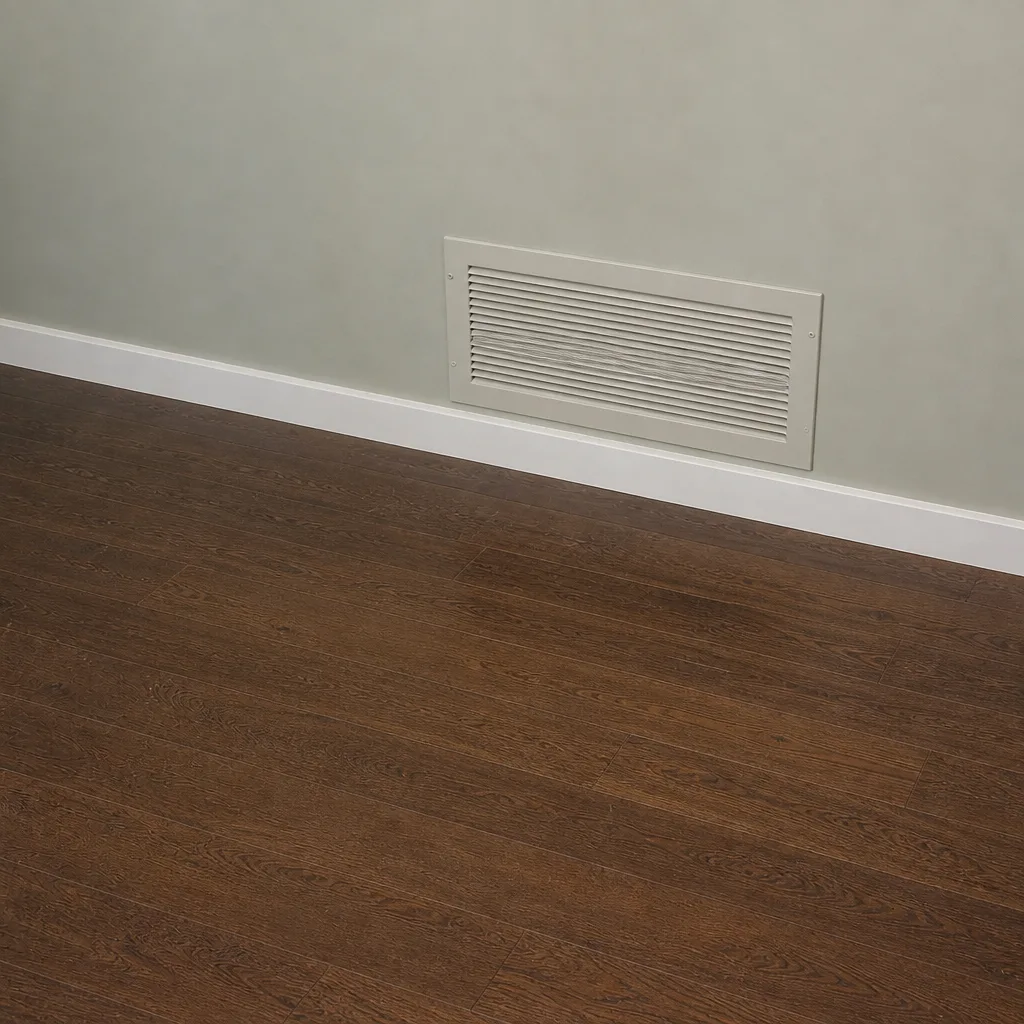
Whole-system duct and dryer vent check with before-and-after photos - you see exactly what came out of your vents
That "$99 whole-house special" is a bait ad - the real number appears once they are in your hallway, or the "clean" is a shop-vac at the register. We photograph the inside of your ducts before and after instead.
Air Duct Cleaning Permits, Codes & Inspections in Meridian, ID: What You Need to Know
Cleaning your ducts and sealing your ducts get sold as if they’re the same job. They aren’t. Cleaning removes debris; sealing changes the mechanical system. And the moment a contractor starts joining duct sections, taping joints, or replacing components in your Meridian home, the work moves into territory the Idaho Mechanical Code actually regulates. Most homeowners never hear that distinction until a home inspection turns it up. This guide walks through where the line sits, when the City of Meridian building department gets involved, what ASHRAE 62.2 means for modified systems, and which paperwork to keep after any duct service. If you’re weighing a cleaning done by an unpermitted installer, this is the part worth reading before you sign.
Quick Answer
Routine air duct cleaning does not require a permit in Meridian, Idaho, because it removes debris without altering the duct system. Duct sealing, joint modifications, and component replacement are mechanical work regulated under the Idaho Mechanical Code, and that work can require a permit, an inspection, and a licensed contractor depending on scope. If a company is sealing or reconnecting your ductwork, ask for their mechanical credentials and expect documentation at the end of the job.
Styles & brands we work with
- Whole-home duct cleaning
- Dryer vent cleaning
- Camera inspection
- Sanitizing & deodorizing
Table of Contents
- Cleaning vs. Modification: Where the Line Actually Sits
- What the Idaho Mechanical Code Says About Ductwork
- When City of Meridian Oversight Applies
- Unpermitted Additions and What They Mean for Cleaning Scope
- ASHRAE 62.2 and Ventilation in Modified Systems
- Documentation to Keep After Any Duct Service
- A Pre-Service Checklist for Meridian Homeowners
- Common Mistakes to Avoid
- When to Call a Professional
- Frequently Asked Questions
Cleaning vs. Modification: Where the Line Actually Sits
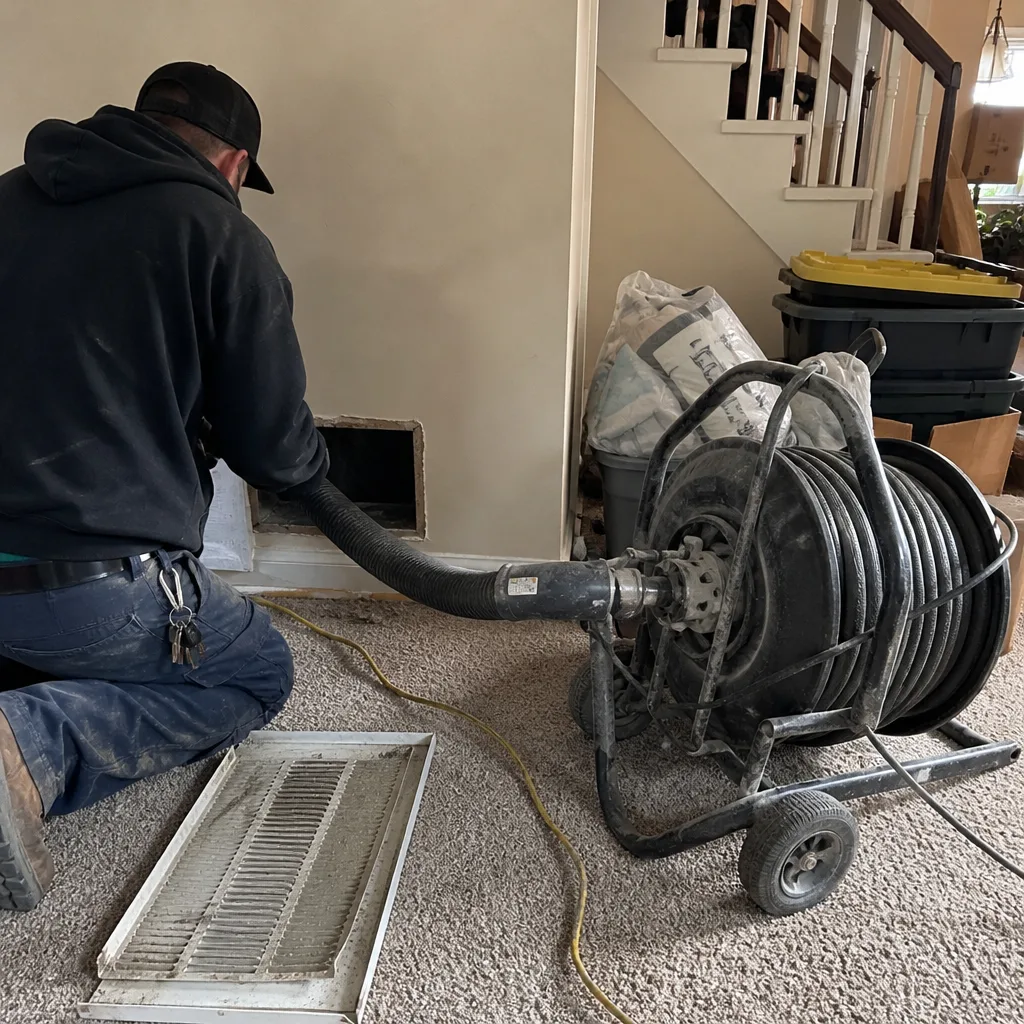
Air duct cleaning is a maintenance service. A technician agitates the interior surfaces of the ductwork with a contact-vacuum system, extracts the loosened debris, and contains it with HEPA filtration so nothing recirculates into the living space. Nothing about that process changes the physical duct system. No joints are opened. No sections are replaced. No airflow pathways are altered. Because the system’s geometry, connections, and components stay untouched, no mechanical permit is triggered.
Duct sealing is different. Sealing means introducing a material, usually mastic or a foil-backed tape rated for ductwork, into the joints where duct sections meet. On some systems it also means reconnecting a boot that’s pulled away from a register, re-clamping a flex run, or replacing a damaged section of rigid duct. Each of those actions modifies the mechanical system, and modified mechanical systems fall under a separate set of rules.
Here’s the distinction to hold onto:
- Cleaning: removes material from inside the ductwork. No permit. No mechanical credential needed.
- Sealing: introduces material at joints. Regulated mechanical work. Credential and possibly permit questions apply.
- Reconnection or replacement: changes the physical assembly. Regulated mechanical work, and in most cases the scope crosses the line where a permit is expected.
We clean it. We repair it. We clear the dryer vent. Those are three separate service lines, and the middle one is the reason this guide exists. Our technicians have up to 12 years of experience, and in that time the single most common thing we find in Meridian homes is sealing work done by someone who was selling a cleaning package.
Why does this matter to the homeowner’s bottom line? Because a resale inspection in Ada County will eventually look at the mechanical system. If a home inspector finds duct joints sealed with materials that don’t meet code, or finds a reconnected boot with no documentation behind it, that finding goes on the report. It can slow a sale, trigger a re-inspection, or open a question with the homeowner’s insurer about whether the work was performed by a qualified party. The work itself might be fine. The problem is there’s no record showing who did it or under what standard.
What the Idaho Mechanical Code Says About Ductwork
Idaho adopts the International Mechanical Code as its statewide mechanical standard, and that code treats duct systems as part of the mechanical system rather than as an accessory. That single classification is what makes the cleaning-versus-sealing distinction matter. Duct systems installed or modified to code have requirements around materials, joint sealing, support spacing, and connection integrity. A duct cleaning that never touches those elements doesn’t engage any of it. A sealing job does.
We don’t quote specific code sections here, because the code edition adopted at any given time is a matter of public record that changes with each adoption cycle, and the City of Meridian’s building department is the authority that applies it locally. What we can tell you is how the framework works in practice:
- Material standards. Sealants and tapes used on ductwork have to be listed for the application. A general-purpose hardware-store tape isn’t rated for duct systems, and inspectors recognize the difference.
- Joint integrity. Joints need to be mechanically fastened and then sealed, not just taped. A joint that’s only taped is the most common deficiency we see in older Meridian homes.
- Support and routing. Duct runs have to be supported at specified intervals and routed without crushing flex duct into tight bends or compressing it against framing. Any modification has to preserve that.
- Connection at the air handler and registers. Boots, plenums, and takeoffs all have to be secured and sealed to the same standard. A duct cleaning can reveal that these connections were never right in the first place.
That last point is where cleaning and repair overlap. A contact-vacuum cleaning with air duct cleaning equipment puts real negative pressure on the duct system, and that pressure exposes weak joints. A boot that’s been quietly leaking into a wall cavity for years suddenly becomes obvious. Cleaning didn’t break it; cleaning found it. Whether the fix that follows needs a permit depends on the scope, and that’s the conversation to have before the work begins, not after.
When City of Meridian Oversight Applies
Meridian’s building department oversees permitted construction, and duct work enters that picture in a few specific situations. Routine duct cleaning never does. Duct sealing usually doesn’t either, if it’s limited to resealing existing joints. But there are scenarios in Meridian where duct work becomes part of a permitted project, and those are worth knowing before a contractor shows up and starts taping.
- After water damage. When a supply line fails or a fixture leaks and the repair involves removing and reinstalling building materials, the ductwork in that area may need to come out and go back in. Reinstallation of duct sections is mechanical work performed under the renovation scope.
- After fire or smoke damage. Restoration work in Meridian almost always crosses into mechanical scope, because smoke travels through the duct system and the repair often includes replacing or reconnecting affected runs. That work gets inspected as part of the restoration project.
- During a remodel. Any remodel that moves a register, adds a room, or reroutes a duct run is mechanical work under a permit. The duct cleaning that follows is maintenance, but the duct relocation that precedes it isn’t.
- During an addition. Adding conditioned space means extending the duct system, and the extension gets permitted and inspected as part of the addition.
- System replacements. When the air handler or a major component is replaced, the connections between the new unit and the existing ductwork have to be made to current standards. That’s permitted mechanical work.
Meridian has grown fast, and that growth shows up in the housing stock. Older neighborhoods near the city center have duct systems that were installed decades ago under code editions that no longer apply. Newer construction out toward the edges has tighter building envelopes and different duct layouts. Both types of homes can need duct work, but what the work triggers depends on the scope and the age of the underlying system. What’s uniform across Meridian is that the building department is the authority on whether a given scope needs a permit, and a phone call there costs nothing. We tell homeowners to make that call themselves when the scope is ambiguous. We’d rather answer a question before the work than after.
One practical note: a duct cleaning company that also sells sealing should be able to tell you plainly which part of the job is cleaning and which part crosses into regulated work. If the answer is fuzzy, or if the sales pitch treats “we’ll seal everything while we’re in there” as an add-on with no distinction, that’s worth noticing.
Unpermitted Additions and What They Mean for Cleaning Scope
Unpermitted additions are a real category of property in fast-growing cities, and Meridian is no exception. A converted garage, a finished attic, a room added off a kitchen. Sometimes the ductwork for that space was extended by a previous owner or a contractor working without a permit, and sometimes it was extended badly. When a legitimately permitted addition is on record, the duct extension to the new space is documented and inspected. When it isn’t, the duct work is whatever it is.
This affects cleaning in a specific way. A duct system serving an unpermitted addition often has runs that were roughed in without proper support, joints sealed with the wrong material, or flex duct stretched across an unconditioned space without insulation. When we clean that system, we’re cleaning what’s there. We’re not correcting the installation, and we’re not certifying it. What we can do is document what we find.
The liability picture is worth stating clearly:
- A cleaning-only job leaves the mechanical system as it was. The cleaning company’s responsibility is to the debris removal, and the documented condition of the system before and after the work.
- A job that includes sealing or reconnection puts the person performing that work in the position of having modified a mechanical system. If the system was previously unpermitted, the modification doesn’t fix that history. In some cases it surfaces it.
- The homeowner carries the exposure either way, because it’s their property and their insurance and their eventual resale.
What we do in practice is this: when we encounter ductwork that clearly wasn’t installed to a modern standard, we photograph it, note the location, and tell the homeowner what we found. We don’t make the correction unless the homeowner wants duct repair quoted separately. That separation keeps the cleaning scope clean and gives the homeowner a record of condition they can take to their inspector, their insurer, or their real estate agent. We work with Honeywell and Aprilaire systems and see a fair number of older installations where the duct layout was never updated alongside the equipment, and that documentation habit has been useful to a lot of homeowners in Meridian.
ASHRAE 62.2 and Ventilation in Modified Systems
ASHRAE 62.2 is the residential ventilation standard that specifies how much outdoor air a home needs to bring in and how the system should distribute it. It matters here because duct modifications can affect ventilation performance even when nobody intended them to. A home with a tight envelope and a duct system that leaks into a wall cavity isn’t just losing conditioned air. It’s changing the pressure balance the ventilation design was built around.
In Meridian, that concern is practical rather than theoretical. This is high desert: dry air, wide temperature swings, and homes that lean heavily on their HVAC systems through a long cooling season and a cold winter. Sealed-up modern construction holds that conditioned air well, which is good for efficiency, but a tight envelope with poorly balanced ventilation creates its own issues. A duct system that was modified to serve an added room, for example, can shift airflow so that the original rooms are starved and the new one gets more than its share.
A few things tend to follow:
- Airflow distribution changes with any modification. Adding a branch run takes air from somewhere. Whether the original rooms still get their designed share depends on how the modification was done.
- Pressure imbalances show up as comfort complaints. A room that’s always too warm or too cool after a remodel is often a duct system that’s out of balance, and the fix may involve dampers or a balancing effort, not just more cleaning.
- Ventilation standards apply to the whole system, not one run. When a system is modified, the question is whether the home still meets its ventilation requirement overall. That’s a bigger question than most cleaning conversations cover.
- Filtration is part of the conversation. If a system’s been modified or the equipment replaced, the filter spec matters. Working with Honeywell and Aprilaire filtration systems means matching the filter rating to the system rather than dropping in whatever fits the slot.
We don’t do HVAC installation, and we don’t perform load calculations. What we can do is clean the system properly, identify whether the ductwork is a contributing cause of a comfort problem, and quote duct repair separately if there’s a breach, a disconnect, or a run that’s clearly not doing its job. If a homeowner has a ventilation question that goes beyond the ducts, we tell them to bring it to the contractor who designed the system. That’s the honest answer.
Documentation to Keep After Any Duct Service
If you keep one thing from this guide, keep this: the record of what was done. A duct cleaning performed as maintenance leaves little trace, and a year later nobody remembers exactly what was cleaned or how. When sealing or component work is part of the job, the record becomes important for resale, insurance, and any future contractor who needs to know what they’re looking at.
Here’s what to retain, in order of importance:
- The written scope of work. What was cleaned, what was sealed, what was replaced, and what was left alone. This is the document a home inspector will want to see.
- Before-and-after photos of your own ducts. Not stock images and not generic examples from a brochure. Photos of the actual system, taken at the actual service. We take these on every job because they answer the most common question a homeowner has after a cleaning: did this actually happen?
- A list of materials used. If sealant or tape went onto your ductwork, the product name and application belong in the record. An inspector can check a listed product against the standard far more easily than they can check an unlabeled joint.
- The name and any credential of the party who performed the work. If the job included sealing or connection work, this is the document that supports the resale question when it comes up.
- Any permit number, if a permit applied. If the duct work was part of a larger permitted project, keep the permit number alongside the scope.
- Filter specifications and date of service. Especially if the system uses a specific filter rating matched to a Honeywell or Aprilaire housing. The next homeowner benefits from knowing what fits.
We hand this package over at the end of every job. Not because the law requires it in every case, but because the homeowner who has it is the one who isn’t scrambling when a buyer’s inspector asks a question.
A Pre-Service Checklist for Meridian Homeowners
Before you book a duct service, run through these questions. None of them take long, and all of them save trouble later.
- Is this cleaning only, or is sealing involved? Get a clear answer in writing. “We’ll take care of everything” is not an answer.
- What equipment will be used? Professional contact-vacuum cleaning with HEPA filtration is a different process from a shop-vac setup. Rotobrush and Nikro equipment are named on the invoice if the company actually uses them.
- What containment is used during the work? Abatement Technologies source-capture equipment is the standard for keeping dislodged debris out of the living space. Ask whether containment is part of the job.
- If sealing is involved, who’s performing it and under what credential? This is the mechanical code question. Ask it plainly.
- Will you photograph the before and after? Of your actual ducts. Not stock photos.
- What documentation comes with the job? Scope, materials, photos, date of service.
- If a permit applies, who’s pulling it? The answer should be the contractor performing the regulated work.
One more thing to ask: whether the company you’re talking to is doing the work or routing it somewhere else. We handle all three of our service lines, air duct cleaning, duct repair, and dryer vent cleaning, with the same trained technicians. No subcontracting gaps means no gap in who’s accountable when a question comes up.
Common Mistakes to Avoid
- Assuming cleaning includes sealing. They’re different services with different regulatory weight. A quote that lumps them together without distinguishing them is a quote that hasn’t thought through the mechanical code question.
- Not asking whether a permit applies before the work starts. Meridian’s building department is the authority, and a phone call there is free. Asking after the work is done is too late to change the scope.
- Skipping documentation when duct work was part of a renovation. If a remodel touched the ductwork, keep the permit number and the scope alongside the rest of the project paperwork. It’s the first thing a resale inspection will ask about.
- Hiring on price alone. A low quote for “duct cleaning plus sealing” often means neither was done with the equipment or credentials the job requires. The cheap number doesn’t survive contact with an inspector.
- Assuming an unpermitted addition is someone else’s problem. It’s now yours. Ductwork serving an unpermitted addition may need to be documented before a cleaning job should proceed with any modification.
- Ignoring the dryer vent because the ducts are the topic. The dryer vent is the highest-risk duct in the house. Lint buildup in the vent is a documented fire hazard, and it doesn’t show up on a duct cleaning invoice unless you ask for it.
- Not checking whether sealing work was done with a listed material. General-purpose tape isn’t rated for duct systems. An inspector will notice, and so will the next contractor.
When to Call a Professional
Some duct situations call for a technician and some don’t. Call us when you notice visible dust streaking from the registers, a musty smell that shows up when the system kicks on, or an unexplained jump in allergy symptoms during cooling season. Call if a renovation or restoration project just wrapped up and the drywall dust is still moving through the system. Call if you’ve found a duct boot that’s pulled away from the register, flex duct that’s crushed or disconnected, or a joint that’s clearly been sealed with the wrong material. We clean it, we repair it, and we clear the dryer vent, all with professional-grade equipment. Our technicians have up to 12 years of experience and we’re authorized to work with Honeywell and Aprilaire IAQ systems. Duct Cleaning Meridian offers free estimates in Meridian. Call (866) 389-4992. We answer 24/7. Fast dispatch from 7am to 7pm, Sunday through Friday.
Frequently Asked Questions
No. Routine air duct cleaning does not require a permit in Meridian because it removes debris without altering the duct system. The work is maintenance, not mechanical modification, so no inspection is triggered. If the job also involves sealing joints, reconnecting ducts, or replacing components, that additional work may fall under the Idaho Mechanical Code and could require a permit, so it’s worth a call to the City of Meridian building department to confirm scope before the work starts. Call (866) 389-4992 for an exact quote on cleaning alone.
Duct sealing is mechanical work under the Idaho Mechanical Code, and whether it requires a permit depends on the scope. A limited reseal of accessible joints may not trigger a permit; a modification that reconnects or replaces duct components is more likely to. The safest path is to confirm with Meridian’s building department before the work, and to make sure whoever performs the sealing can document their credentials and materials. Call (866) 389-4992 to talk through a scope before scheduling.
Keep the written scope of work, before-and-after photos of your own ducts, a list of materials and their product names, the name of the party who performed the work, any applicable permit number, and the date of service along with the filter specification. Together these answer the questions a resale inspection will ask and give your insurer a clear record. Estimates are free, and the written estimate sets the final price. Call (866) 389-4992 for an exact quote.
ASHRAE 62.2 is the residential ventilation standard covering how much outdoor air a home needs and how it’s distributed. In Meridian’s high desert climate, with tight building envelopes and a long conditioning season, duct modifications can shift airflow and pressure balance in ways that affect comfort even when the cleaning itself was done well. If a room runs too warm or too cool after a remodel, the duct system is a reasonable place to look. Call (866) 389-4992 for an exact quote on cleaning and a duct assessment.
Ask for before-and-after photos of your own ducts, taken on the day of service, not stock images. A professional company will also use equipment that shows the work: contact-vacuum cleaning with genuine agitation and extraction, HEPA-rated filtration to capture what’s removed, and containment equipment to keep the living space clean during the process. One flat price per system agreed before work starts, with the photos included, is a clear standard. Call (866) 389-4992 for an exact quote.
Cheap quotes usually reflect a narrower process, not a lower cost of doing it right. Consumer-grade vacuums with no HEPA filtration, no containment, and no before-and-after photos describe a job that removes some surface debris without capturing what gets loosened into the air. The professional-grade equipment used on a real cleaning, including Rotobrush contact-vacuum systems, Nikro HEPA filtration, and Abatement Technologies containment, is a different scope of work. One flat price per system, agreed before work starts, is the honest way to compare. Call (866) 389-4992 for an exact quote.
The Bottom Line
Cleaning is maintenance. Sealing and component work are mechanical modifications under the Idaho Mechanical Code. That’s the whole distinction in one sentence, and it’s the reason this guide exists. If a company is selling you a cleaning and quietly sealing your joints at the same time, ask which part of the job is which, who’s performing the regulated work, and what documentation you’ll get at the end. The City of Meridian’s building department is the authority on permit scope, and a free call there settles most ambiguity. Keep your paperwork. Photograph the work. Remember that Meridian’s high desert climate and fast housing growth both put more pressure on duct systems than most homeowners realize. And if you want a straight account of what your system actually needs, call us.
Call (866) 389-4992. We answer 24/7. Fast dispatch from 7am to 7pm, Sunday through Friday. The estimate is free and the price is set per job by the written estimate. We clean it. We repair it. We clear the dryer vent.
Written by the team at Duct Cleaning Meridian.
See the difference
 Before
 After
 Before
 After
 Before
 After