
Last updated November 14, 2026
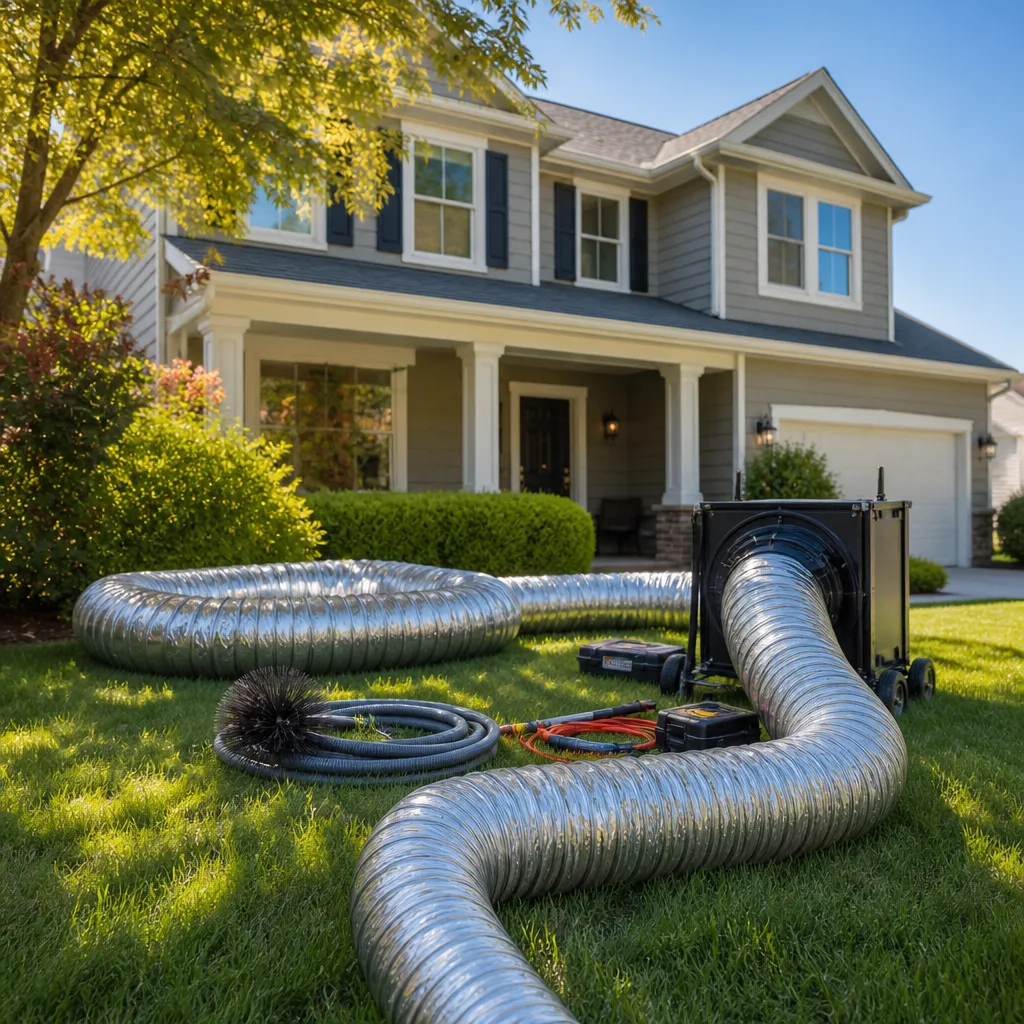 Whole-home duct cleaning
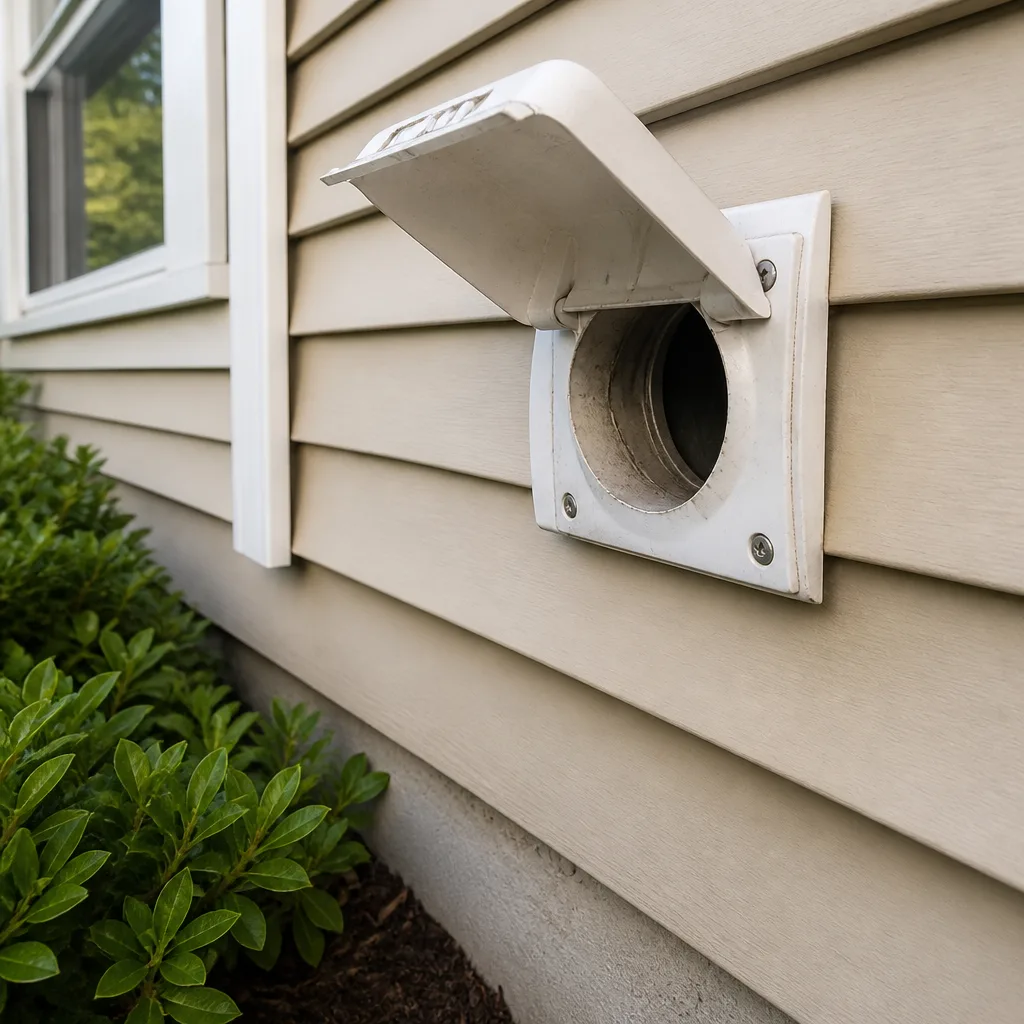 Dryer vent cleaning
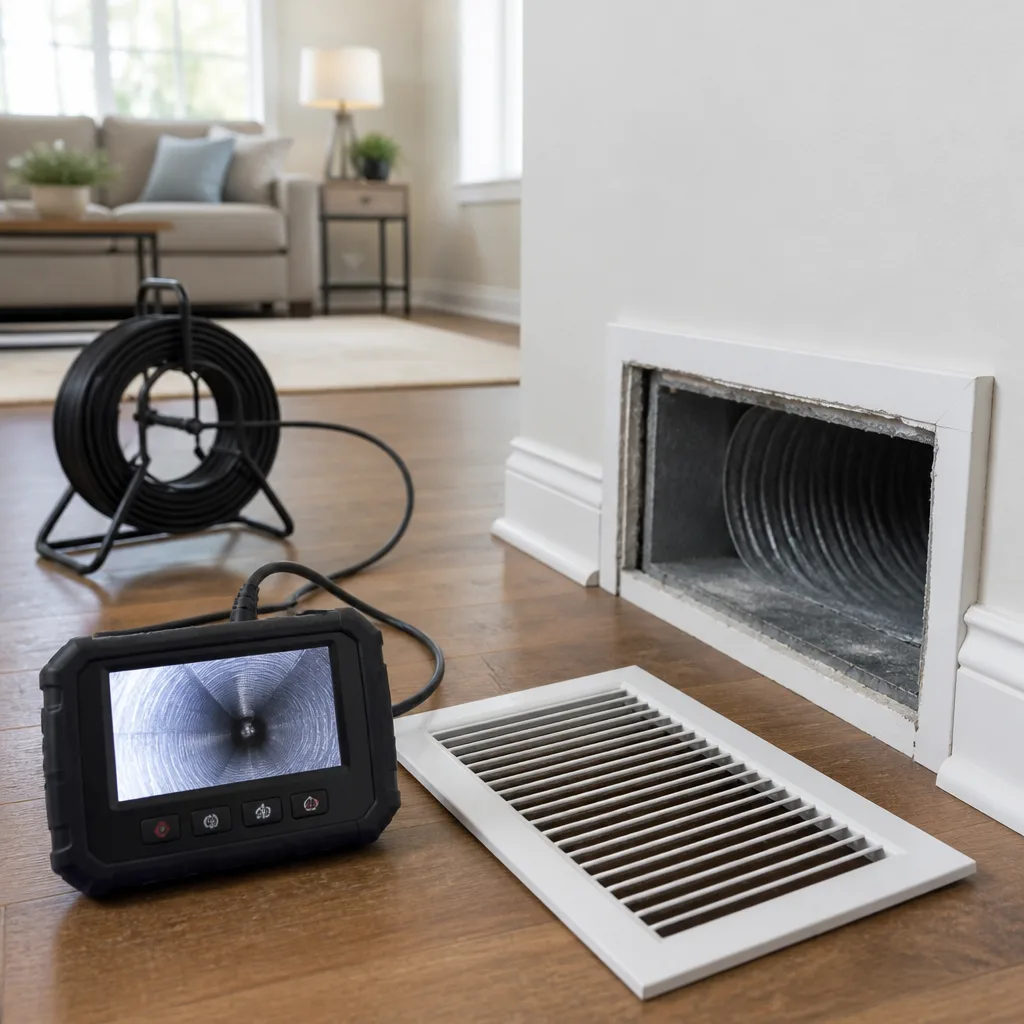 Camera inspection
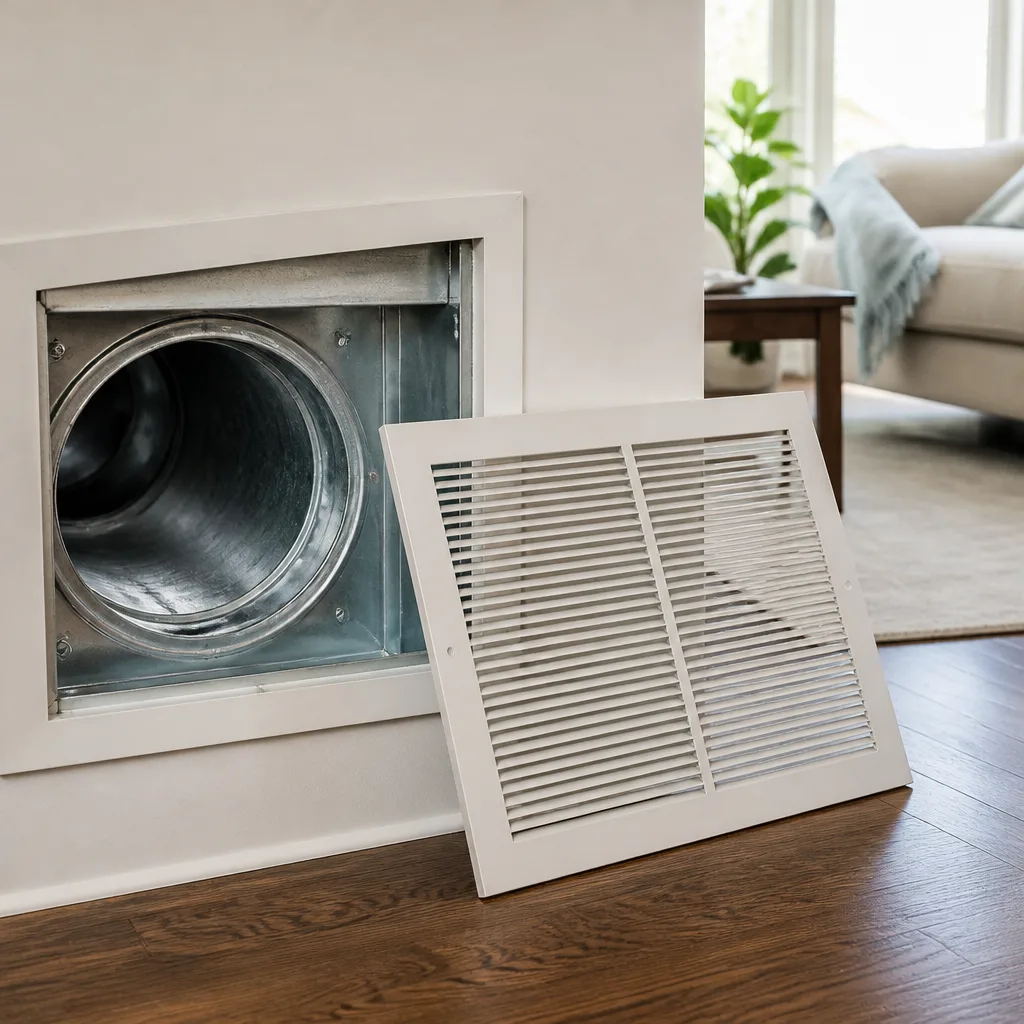 Sanitizing & deodorizing
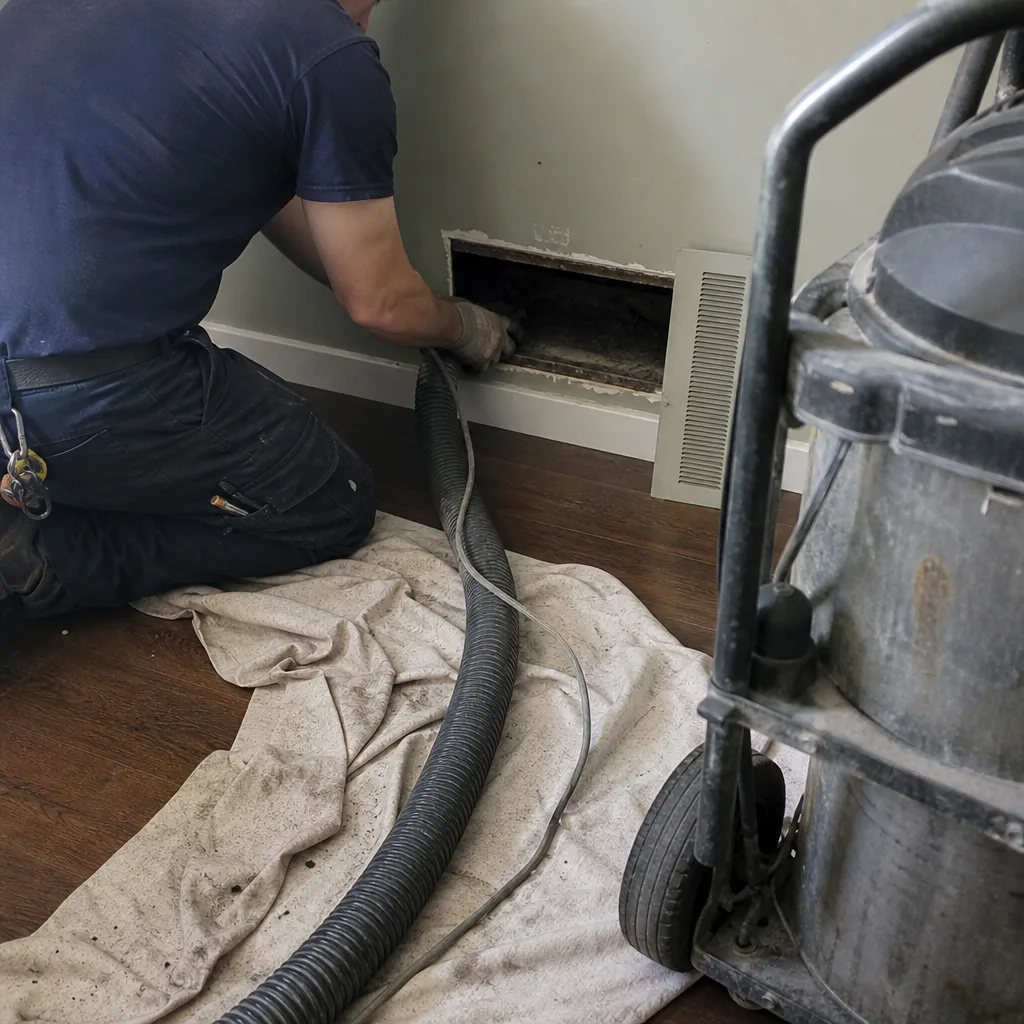
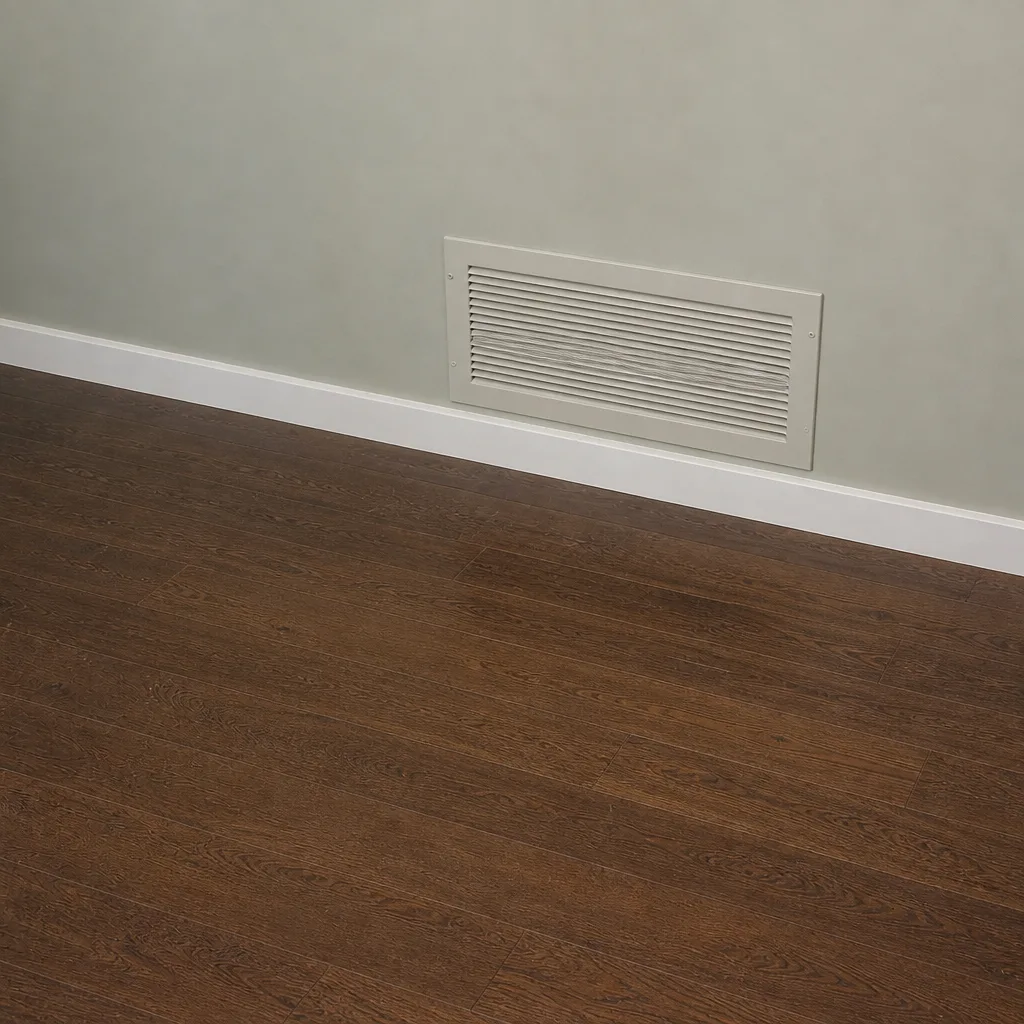
Whole-system duct and dryer vent check with before-and-after photos - you see exactly what came out of your vents
That "$99 whole-house special" is a bait ad - the real number appears once they are in your hallway, or the "clean" is a shop-vac at the register. We photograph the inside of your ducts before and after instead.
Air Duct Cleaning Troubleshooting in Meridian: Common Problems and How to Fix Them
If your ducts were cleaned six months ago and you’re already seeing dust settle on the vent grilles, the cleaning probably didn’t fail. Something upstream of the cleaning did, and no amount of vacuuming will fix it until you find what that something is. Most homeowners in Meridian treat duct trouble as a single problem called “dirty ducts.” It isn’t. Weak airflow, reappearing dust, and a faint musty smell are symptoms, each pointing to a different physical cause somewhere in the system. This guide teaches you to read those symptoms the way a technician does, so you can sort a cleaning problem from a leak problem from a pressure problem before anyone shows up with equipment. We walk through the diagnosis, the cheap tests you can run yourself, and the point where guessing stops being useful.
Styles & brands we work with
- Whole-home duct cleaning
- Dryer vent cleaning
- Camera inspection
- Sanitizing & deodorizing
Quick Answer
Most recurring duct problems in Meridian come down to four root causes: a leak or disconnection in the duct run, a filter that’s bypassing air around its frame, an undersized or crushed return path that starves certain rooms, or condensation on interior duct liner. A thorough cleaning fixes dust and debris. It does not fix leaks, bypass, or pressure imbalance, which is why dust and weak airflow often return within a season. Diagnosing which of the four you have before scheduling any work is the single most useful thing a homeowner can do.
Table of Contents
- Start Here: The Symptom-to-Cause Map
- Dirty Ducts vs. Leaking Ducts: The Register Test
- Why Your Ducts Smell Musty After Cleaning
- What Hot and Cold Rooms Actually Tell You
- Filter Bypass: The Hidden Cause of Rapid Re-Soiling
- When Troubleshooting Points to an HVAC Problem First
- Dryer Vent Warning Signs You Shouldn’t Ignore
- Common Mistakes to Avoid
- When to Call a Professional
- Frequently Asked Questions
- The Bottom Line
Start Here: The Symptom-to-Cause Map
Before you touch anything, write down what you’re actually experiencing. The clearer the symptom, the faster the diagnosis. In our experience across Meridian homes, the same handful of complaints come up again and again, and each one has a short list of likely causes worth checking in order.
Here’s how to read the most common complaints:
- Dust returns to vents within weeks of cleaning. Likely a filter bypass, a return-side leak near the air handler, or a disconnection pulling attic or crawlspace air into the system. Cleaning alone won’t hold.
- One or two rooms never get enough air. Likely a crushed or disconnected branch duct, a closed damper nobody remembers closing, or static pressure that’s too high for the system to push air down the longest runs.
- A musty or sour smell that appears after cleaning. Likely condensation on interior duct liner, a disconnected flex duct drawing damp air, or debris left in a run the cleaning didn’t reach.
- Airflow feels weak at every register, not just one. Likely a clogged filter, a failing blower, or a return path that’s undersized for the system. This one usually needs an HVAC technician before cleaning makes sense.
- Whistling or rattling at a vent. Likely a pressure imbalance or a loose fitting. Different sound, different fix.
Notice that only a couple of these are actually about dirt. That’s the point of this whole guide. If you’ve been quoted a cleaning for a problem that’s structural, the cleaning will deliver a cleaner duct and leave your complaint exactly where it started. For a full picture of what professional cleaning actually covers, see our air duct cleaning page; it explains the scope so you can tell when a quote is describing cleaning versus something else.
One more thing worth naming up front. Meridian sits in a high-desert climate with hot, dry summers and cold winters, and that swing puts real stress on duct systems. Flexible duct connections expand and contract through the seasons, and taped or mastic-sealed joints can work loose over a few years. That seasonal movement is one reason disconnected flex runs are a frequent finding in Meridian homes, especially in attics and crawlspaces where the temperature swing is widest.
Dirty Ducts vs. Leaking Ducts: The Register Test
This is the most useful distinction in duct troubleshooting, and you can test for it with your hand and a piece of tissue. A dirty duct and a leaking duct produce similar complaints (dust, uneven airflow) but require completely different work. Cleaning a leaking system is wasted money.
Here’s a simple test sequence you can run in about ten minutes:
- Turn the system fan to “on” so air moves continuously. This isolates the ducts from the heating or cooling cycle.
- Hold a tissue against the face of a supply register. A healthy register should hold the tissue firmly against the grille. If it flutters weakly or falls away, note it.
- Move to a room that feels under-served and repeat. Compare the tissue’s hold at the best register and the worst register. A big difference points to a branch-specific problem, usually a leak or a crushed run feeding that room.
- Check the return grilles. A return should pull the tissue toward the grille with noticeable force. Weak return suction at every grille suggests a filter or blower issue rather than a duct leak.
- Walk the visible duct runs in the attic, basement, or crawlspace and look for separated joints, sagging flex, or tape that’s peeling. A disconnected flex duct is usually visible from a few feet away once you’re looking for it.
If suction is strong at most registers but one or two are weak, that’s a leak or obstruction in a specific branch. If suction is weak everywhere, the problem is upstream at the air handler or filter. If suction is strong everywhere but dust still collects at the vents, you probably have a return-side leak or a filter bypass drawing unfiltered air into the system. That last one is the most commonly missed, and we cover it further down.
Run this test before you call anyone. When you can say “the tissue won’t hold at the back bedrooms but the front rooms are fine,” you’ve already narrowed the problem in a way that saves time and money. It also helps you ask the right questions when you’re weighing a quote. Homes in established Meridian neighborhoods like the ones off Eagle Road and around the old downtown grid often show these branch-specific patterns more than newer construction, simply because the duct runs have had more seasons of expansion and contraction behind them.
Why Your Ducts Smell Musty After Cleaning
A musty smell that shows up within days or weeks of a cleaning is almost never mold regrowth. In our experience it’s one of three things: condensation on the interior liner of a duct, a disconnected flex run drawing damp air from a crawlspace or attic, or debris that was never actually removed from a run the cleaning didn’t reach. Each has a different fix, and none of them is “clean it again.”
Start with the liner condensation possibility. Many ducts, especially on the supply side in conditioned spaces, are lined with a fiberglass acoustic material. In the summer, cold supply air moving through a duct inside a hot attic can drop below the dew point and bead condensation on that liner. A dry desert climate doesn’t rule this out; the condensation comes from the temperature difference, not from coastal humidity. Wet liner holds dust, and damp dust smells musty. Over time it can also lose integrity.
Next, check for a disconnected flex duct. Flexible duct is easy to pull loose at a collar or a fitting, and a run that’s separated in the attic can suck hot attic air or crawlspace air straight into the airstream. Crawlspace air often carries a distinctive damp, earthy smell that travels straight into a room. This is a common finding, and it’s exactly the kind of problem a cleaning alone cannot fix.
Third, consider whether the smell was coming from a specific room or from every register. If it’s one room, the problem is almost certainly in the branch serving that room. If the smell is everywhere, look at the air handler, the coil, or the return path.
If a musty smell is paired with visible moisture, standing water near the unit, or a persistently damp crawlspace, the duct isn’t the whole story. Duct repair and cleaning can address the airstream, but a moisture problem needs a source fix before the ducts will stay dry. A trained technician can trace the smell to a physical location in the system instead of guessing at the source.
What Hot and Cold Rooms Actually Tell You
Uneven rooms are the most misdiagnosed duct complaint in Meridian homes. Homeowners assume a hot back bedroom means a dirty duct feeding it. More often, the duct feeding that room is fine and the problem is static pressure: the system is trying to push air down a long, complicated path and it doesn’t have enough push to reach the end of the line.
Dirt and pressure imbalance feel similar from inside the house, so here’s how to tell them apart:
- Dirt. The room gets a little less air than it should, but the airflow is steady. Removing dust and debris from the run improves the flow, and the improvement holds.
- Pressure imbalance. The room is dramatically different from the rest, often consistently hot in summer and cold in winter. Airflow at the register feels the same whether the duct was just cleaned or not. Common causes include undersized branch ducts, an over-long run, an oversized air handler, a crushed flex run, or a system that just doesn’t have the blower capacity to reach that far.
The quick test: if a room feels under-served and it’s the furthest room from the unit, with the longest or most winding duct run, pressure imbalance is the more likely explanation. If the room is adjacent to well-served rooms and still feels off, a leak or disconnect in the branch is more likely. If the entire house is uneven and the system is older, an HVAC professional should evaluate the blower and static pressure before anyone cleans a duct.
Here in Meridian, a hot upstairs bedroom in July is a classic pressure-versus-dirt puzzle. Summer design conditions push any distribution weakness to its limit. If the same room is manageable in spring and miserable in peak summer, that’s usually a pressure or insulation problem, not dirt. Cleaning helps airflow, but it can’t add capacity the system never had.
Filter Bypass: The Hidden Cause of Rapid Re-Soiling
If dust returns to your vents within a few weeks of a professional cleaning, look at the filter before you look at the ducts. Filter bypass happens when air gets around the filter instead of through it, and it’s the single most common reason a home gets re-soiled fast after cleaning.
Here’s how to check for it:
- Remove the filter and look at the slot it sits in. The filter should fit the opening snugly, with no gap at the sides, top, or bottom.
- Hold the filter up to a light. If you can see gaps around the edges of the housing where the filter doesn’t seal, unfiltered air is bypassing through those gaps.
- Check the filter framing. A filter that’s undersized for the slot, or one that’s been jammed in at an angle, is a bypass waiting to happen. So is a filter with a bent frame.
- Look at the air handler cabinet itself. Cracks, missing panels, or gaps where the return plenum connects to the unit are bypass paths. This is where a professional eye helps, because these gaps often sit on a side of the cabinet you don’t usually see.
- Check whether a return is pulling unfiltered air. A return duct that’s leaking on the return side of the filter draws dust from the attic or crawlspace directly into the system, bypassing filtration entirely.
The fix depends on what you find. A filter that doesn’t fit properly needs a correctly sized replacement and sometimes a frame or gasket around the slot. A bypass around the air handler cabinet needs a technician to seal it. A leaking return duct needs repair, not cleaning. Once bypass is sealed, cleaning holds far longer, because the filter can do its job and the system isn’t pulling unfiltered air in behind the filter.
This matters more in Meridian than it might elsewhere, because a dry climate with steady wind-driven dust in the air puts a constant load on filtration. A system that’s bypassing its filter is inviting every bit of that outside dust straight into the airstream. A technician checking bypass should also note what filtration equipment the system can accept. We work with Honeywell and Aprilaire systems, both of which specify their own installation and maintenance standards, so upgrades are matched to the equipment rather than improvised.
When Troubleshooting Points to an HVAC Problem First
Sometimes the most helpful answer is “don’t book a cleaning yet.” A duct cleaning makes sense when duct systems are dirty, when airflow is restricted by debris, or when a cleaning is part of a planned repair. It doesn’t make sense when the underlying problem is in the HVAC equipment, because cleaning will fix nothing and you’ll still have the same complaint.
Here are the signs that point to an HVAC professional before any cleaning:
- System-wide weak airflow with a clean filter. If a fresh filter doesn’t fix it and every register is weak, the blower or the return path needs evaluation.
- Ice on the refrigerant lines or the indoor coil. That’s a refrigerant or airflow issue, not a dirt issue.
- Frequent short cycling or a system that won’t keep up. Equipment sizing and performance problems come before duct cleaning.
- Water or moisture around the air handler that you can’t explain. Resolve the moisture source first.
- A duct problem the cleaning can’t reach. A crushed flex run, a disconnected branch in a finished ceiling, or a duct that’s fallen loose in the attic are all repairs, not cleanings.
That last point is where duct repair comes in. Cleaning and repair are separate jobs, and a trained technician who diagnoses a disconnected or crushed run should be able to fix it, not just clean around it. Our team handles duct cleaning, duct repair, and dryer vent cleaning with the same trained technicians, so a diagnosis that finds a broken run gets the repair it needs rather than a note on an invoice.
In Meridian, checking static pressure and verifying the equipment’s capacity before a cleaning is the right order. It’s faster and less expensive to rule the equipment out first than to clean a duct system that was never the problem.
Dryer Vent Warning Signs You Shouldn’t Ignore
Dryer vents are the one duct problem in the house with a documented fire hazard attached, and lint buildup is the mechanism behind it. The lint that makes it past the lint trap collects in the vent run, insulating the dryer exhaust and restricting airflow. The dryer runs hotter and longer, which builds more lint. It’s a tight loop, and it’s worth catching early.
Warning signs to check for:
- Clothes take two cycles to dry. A stalled dry cycle is the most reliable sign that airflow is restricted.
- The dryer or the vent hood feels hot to the touch. Heat that can’t escape the vent run has nowhere else to go.
- The lint trap fills unusually fast, or you see lint around the dryer drum. The trap is doing its job but the vent is not.
- Lint visible outside the exterior vent hood. If you can see lint blowing out or collecting around the vent, the run has accumulated to the point of being visible from outside.
- A long, winding, or corrugated vent run. Lint collects faster on the ribbed interior of flexible vent line and at every turn. If you can’t trace your vent easily, it’s due for a check.
Dryer vent cleaning is a genuine fire-safety service, not an add-on. A technician checks the full run, removes the accumulated lint, and verifies the exterior vent flap opens and closes properly. While we’re at it, this is a natural moment to look at the whole home’s duct condition. Duct Cleaning Meridian works under the Duct Cleaning Meridian hub and offers a free estimate for both. If you’re in a Meridian home and wondering which services you need, the dryer vent check is the one with the safety argument.
Common Mistakes to Avoid
- Booking a cleaning for a leak problem. If the tissue test shows weak suction at specific registers, the duct is leaking, not just dirty. Cleaning removes debris but doesn’t seal a gap, and the “problem” reappears quickly. Diagnose before you schedule.
- Assuming the cleaning failed when dust returns fast. Fast re-soiling almost always means filter bypass or a return-side leak. Clean ducts plus an unfiltered airstream equal dirty ducts again in short order. Check the filter fit first.
- Treating a musty smell with another cleaning. Mustiness after a cleaning points to moisture: liner condensation or a disconnected flex run drawing damp air. Fix the moisture source, then clean if needed.
- Blaming dirt for an uneven room before checking pressure. A far-room that’s consistently cold in winter and hot in summer, even after cleaning, is usually a static pressure or duct design issue. Cleaning won’t balance a system.
- Ignoring the dryer vent because it’s separate from the HVAC ducts. Dryer vents collect lint in a climate that runs the dryer hard, and a plugged vent run is a fire hazard. It deserves the same attention as the supply ducts.
- Cleaning with improvised equipment. A shop-vac setup agitates debris without containing it, which can push dust back into the living space. Professional equipment, including HEPA-rated vacuum and containment, is what actually captures the debris rather than recirculating it.
- Skipping the pre-cleaning diagnosis. The most expensive mistake in Meridian duct work is paying for a cleaning that was never going to fix the complaint. Diagnose, then decide.
When to Call a Professional
Call a professional when the symptom map points to a physical cause you can’t reach: a disconnected or crushed duct run in an attic or crawlspace, a filter bypass around the air handler cabinet, liner condensation that keeps returning, or an under-served room that cleaning didn’t fix. Our phone line is the right place to start when troubleshooting has narrowed the problem but the fix requires equipment and access you don’t have. Duct Cleaning Meridian offers free estimates in Meridian and uses professional-grade equipment, including Rotobrush contact-vacuum and Nikro HEPA-filtration systems, with Abatement Technologies source-capture containment on-site. Our technicians have up to 12 years of experience tracing exactly these problems to their source. Call (866) 389-4992 for a free estimate and an honest answer on what the work actually involves.
Frequently Asked Questions
Run the tissue test at your registers. If airflow is strong at most registers but weak at one or two, the problem is a leak or obstruction in that specific branch. If airflow is weak everywhere, look at the filter, blower, or return path before suspecting the ducts themselves.
Fast re-soiling usually means filter bypass or a return-side leak drawing unfiltered air into the system. Check that your filter seals snugly in its slot and that the return ducting isn’t pulling air from an attic or crawlspace. A technician can trace bypass paths around the air handler cabinet.
Mustiness right after cleaning usually points to condensation on the interior duct liner or a disconnected flex duct drawing damp crawlspace or attic air. It’s rarely mold regrowth. The fix is moisture source and duct repair, not another cleaning.
Not necessarily. Consistently problematic rooms, especially rooms furthest from the air handler, more often reflect static pressure imbalance or an undersized branch. Cleaning helps airflow but can’t rebalance a system. One or two rooms with weak airflow and normal temperatures elsewhere point more toward a leak.
Usually not. If the problem is weak airflow across the whole house, ice on the coil, or a system that won’t keep up, an HVAC professional should evaluate the equipment and static pressure first. Clean ducts won’t fix an undersized blower or a refrigerant problem.
If drywall dust, sawdust, or construction debris got into the system through open returns, yes. Construction dust is heavy debris that settles in the supply runs. Cleaning with HEPA containment keeps that material out of your living area during the process.
The Bottom Line
Repeat duct problems in Meridian are usually one of four causes: leaks, filter bypass, static pressure imbalance, or liner condensation. All four produce symptoms that look like dirt, which is why cleaning so often disappoints. Diagnose first with the tissue test and the filter check. Fix the actual cause, then clean if the ducts are genuinely dirty. That order saves money and stops the problem from recurring. Duct Cleaning Meridian handles cleaning, repair, and dryer vent service with professional equipment and before-and-after photos so you know the work was done. Call (866) 389-4992 for a free estimate. We answer 24/7. Fast dispatch from 7am to 7pm, Sunday through Friday.
Written by the team at Duct Cleaning Meridian.
See the difference
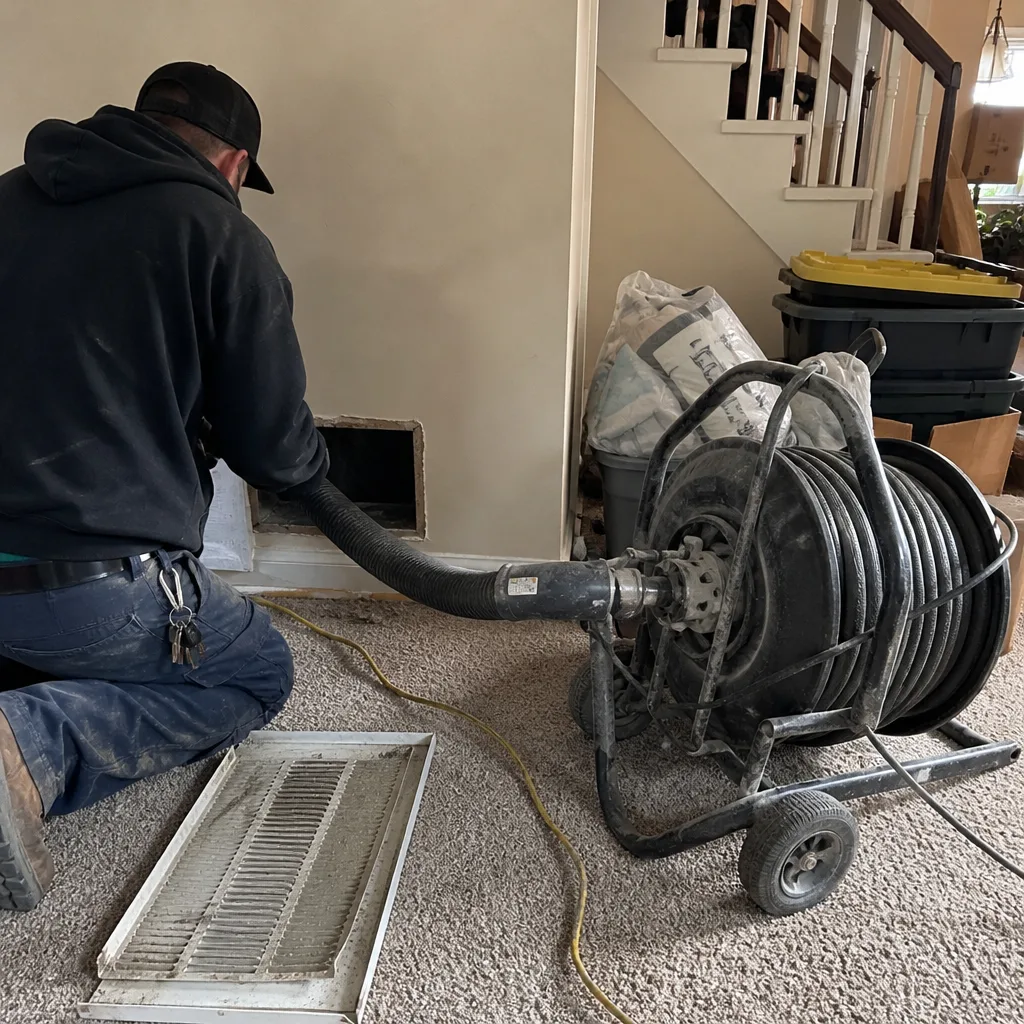 Before
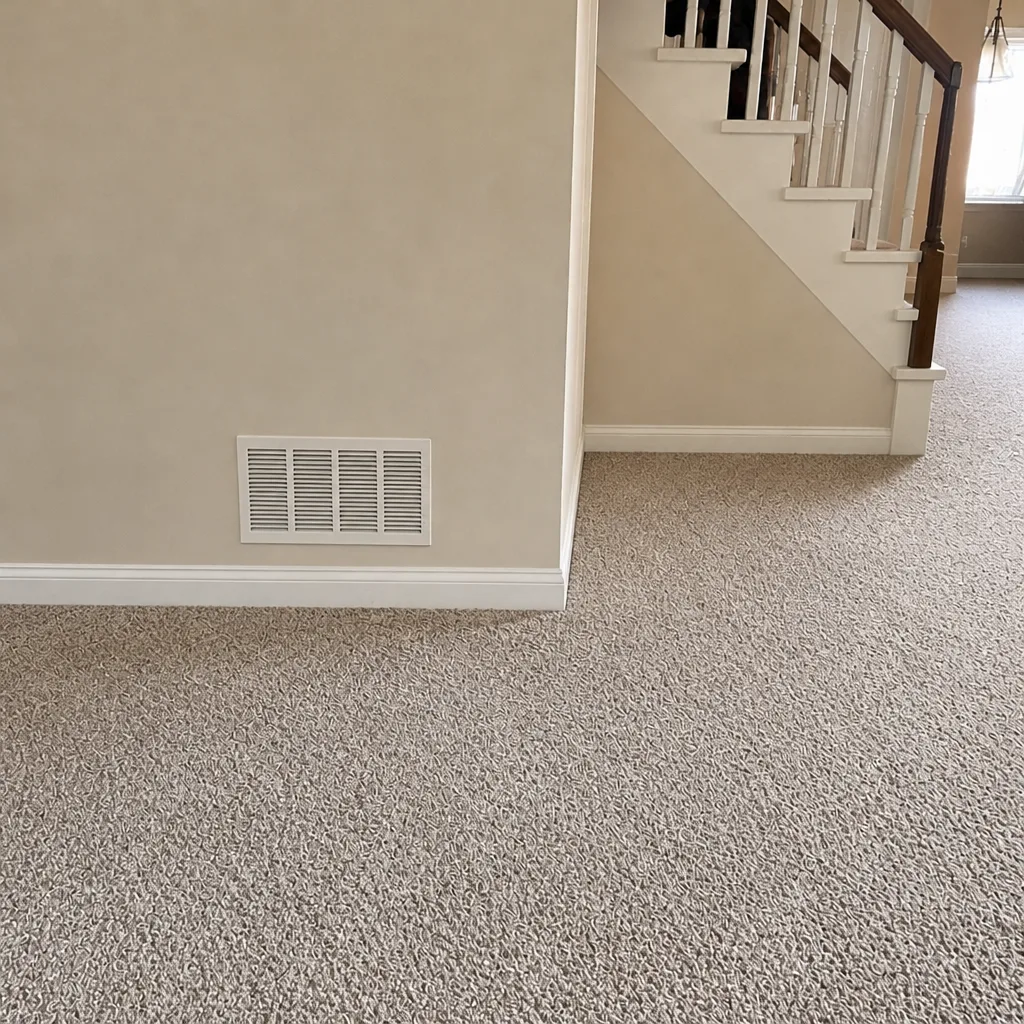 After
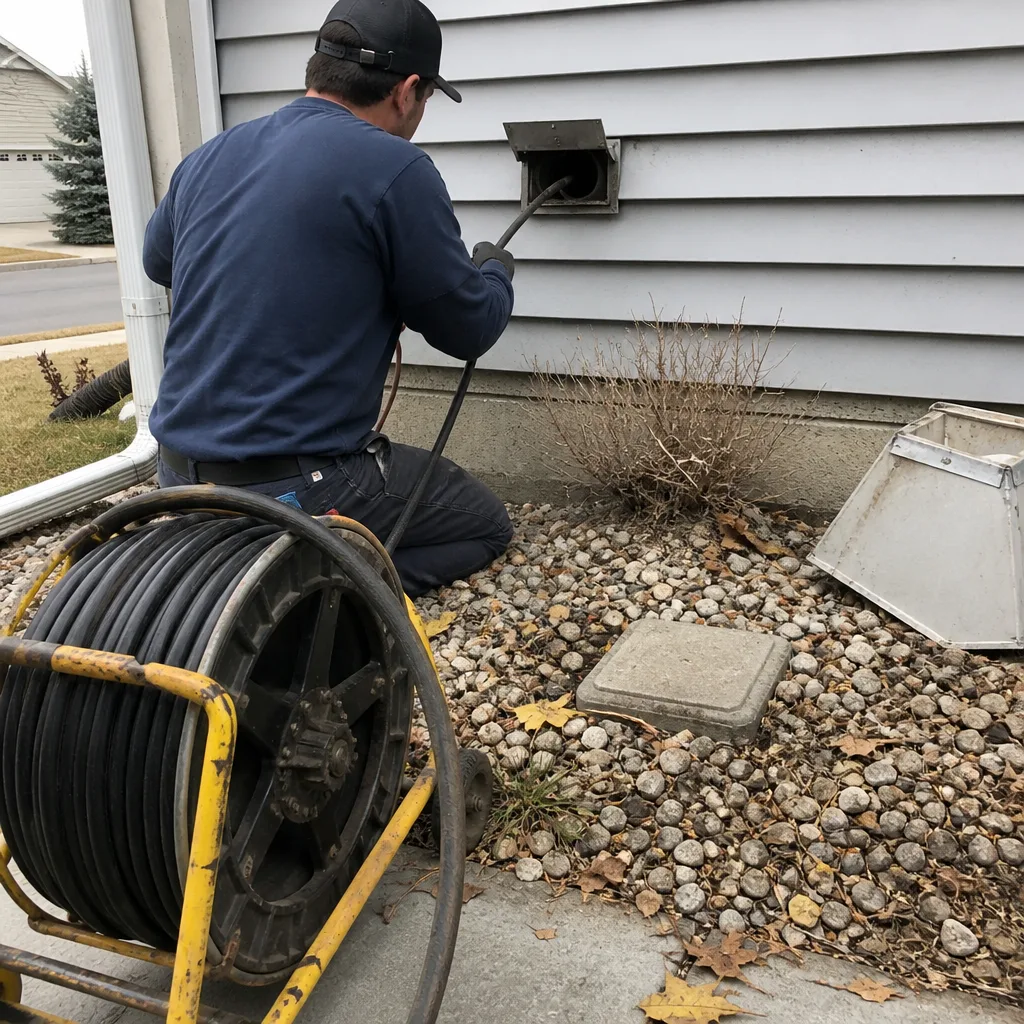 Before
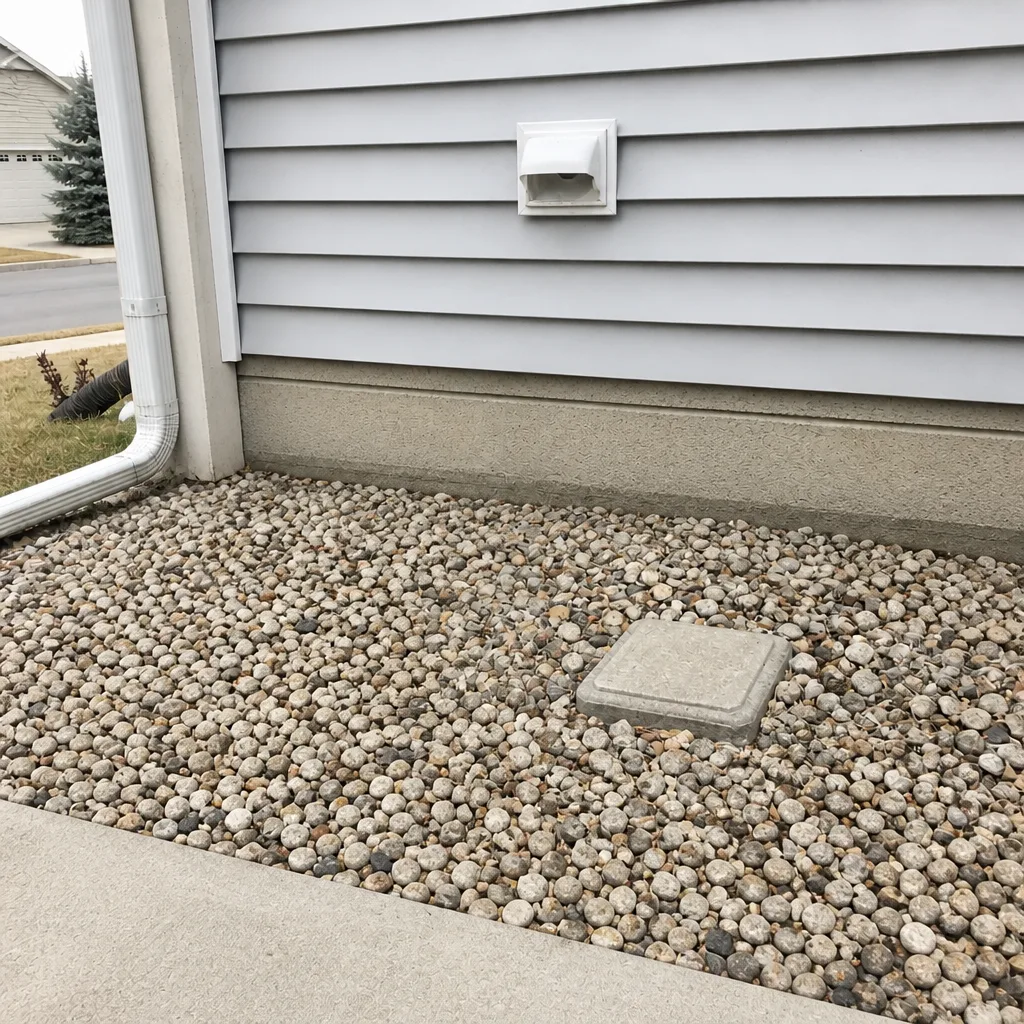 After
 Before
 After